Categories
Uncategorized

ABNORMAL MENSTRUAL PAIN

Mercy noticed she always had severe pain during her menstrual period. This pain is so bad that occasionally she is unable to go to school or do any meaningful work at home. She always dreads her periods, as she remembers only the agony. She has tried several medications with only temporary relief. She is tired and will love to see the pain stop.

Abnormal menstrual pain refers to severe or unusual pain during menstruation. This pain can be severe enough to limit daily activities during the period of menstruation. While some discomfort and cramping are usual during menstruation, abnormal menstrual pain is marked by intense pain that significantly affects one’s daily activities.

How does menstrual pain occur?

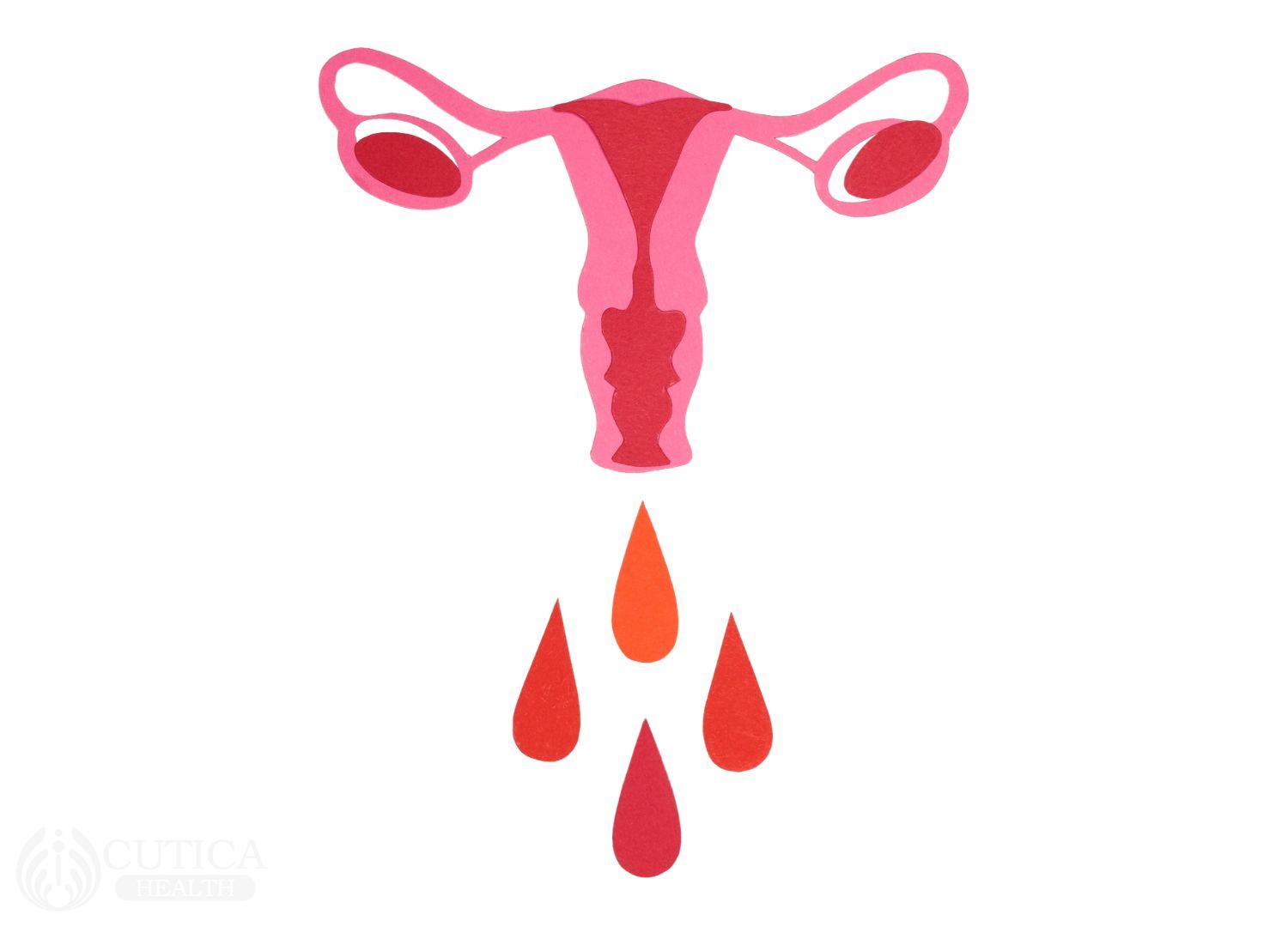
Normal menstruation occurs when the uterus sheds its lining once a month, and this is associated with some cramping and pain. This is because a hormone called prostaglandin rises in the body and triggers muscle contractions in the uterus to expel the lining of the uterus. While this results in pain, the pain should not be severe enough to cause the woman to miss school or work. When it does, it is termed abnormal menstrual pain.
 

What causes abnormal menstrual pain?

The causes of abnormal menstrual pain are varied and sometimes difficult to pinpoint. It can be due to the makeup of the person experiencing the pain, which is called primary abnormal menstrual pain. There is usually no underlying disease process, but the individual finds that menstruation has always come with severe pain and discomfort. It can also be associated with increased menstrual flow. Some risk factors for this kind of abnormal menstrual pain include age under 20, family history of abnormal menstrual pain, smoking, early puberty, and never having a baby.

When abnormal menstrual pain is due to an underlying disease, it is called secondary abnormal menstrual pain.  Here are some possible causes:

Endometriosis or adenomyosis: This is the presence of uterine lining outside the uterus, which results in intense pain during menstruation. This is because this abnormally located uterine lining still acts as if it were in the uterus and causes cramping of the organ or tissue where it is located.

Uterine fibroids: This refers to a noncancerous growth within the wall of the uterus which can result in abnormal menstrual pain, especially when it is located close to the uterine lining. This causes the muscles to contract more to be able to shed the uterine lining.

Infections: Infections of the female reproductive organs can result in abnormal menstrual pain. These infections are usually transmitted via sexual contact. This usually causes abnormal menstrual pain with fever and abnormal vaginal discharge.

Intrauterine device: This is a device used to prevent unwanted pregnancies in women. The presence of this device has been associated with increased menstrual pain, especially in the first few months after insertion.

Others: Stress, hormonal imbalances, medications, etc. can be associated with abnormal menstrual pain.

The cause of abnormal menstrual pain is not always clear, so it is common to see cases where this pain has no specific cause.


What to do about abnormal menstrual pain?

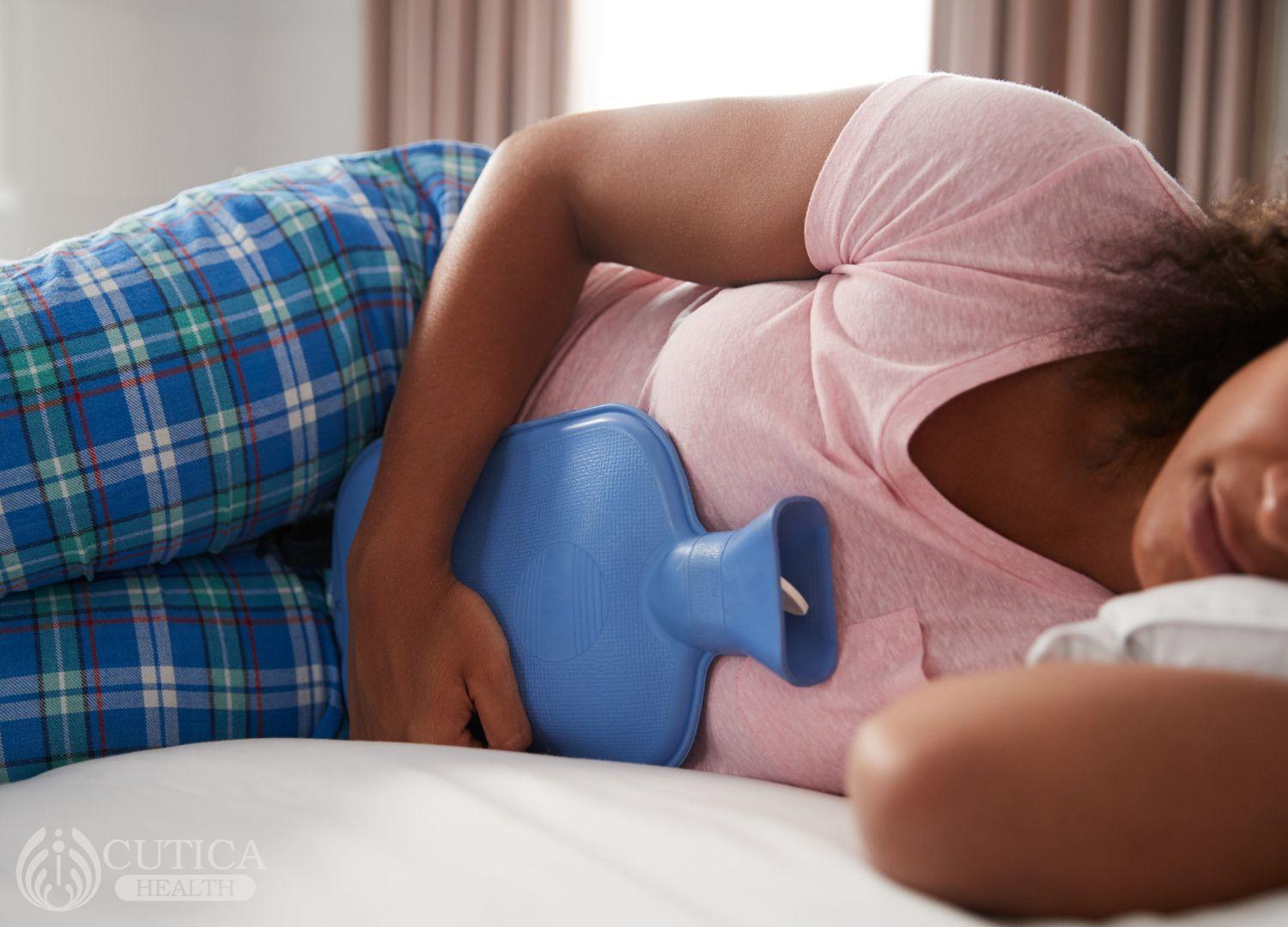
Abnormal menstrual pain is usually difficult to manage, even with medications. This is because they occur at least once a month, and there are side effects to using pain medications for a prolonged period. It is important you consult your doctor to be sure there are no underlying causes of the abnormal menstrual pain, as treating the underlying cause can help relieve the pain. Some other ways to relieve abnormal menstrual pain include:

  1. Taking a warm bath
  2. Using a heating pad on the pelvic area
  3. Exercising regularly
  4. Relaxation techniques such as yoga or guided imagery

It is advised to see a doctor before taking any drugs for abnormal menstrual pain.

Conclusion

Abnormal menstrual pain is a common source of discomfort among women who undergo menstrual periods. The causes are varied and can range from nothing to serious underlying female reproductive health issues. It is important to see a physician to help investigate the cause and plan the proper treatment.


 

Categories
Uncategorized

Wellness Tips for Better Blood Pressure

Mr. Kola was rushed to the hospital one morning after complaining of chest pain, severe headaches, and shortness of breath. At the hospital, he was diagnosed with high blood pressure (hypertension) and was placed on medication. What else can Mr. Kola do to maintain good blood pressure?

High blood pressure, also known as hypertension, is a disease that destroys the blood vessels and increases a person's risk for heart disease and stroke. 

High blood pressure is called a silent killer because it can be present with no symptoms. Getting your blood pressure checked is the only way to diagnose hypertension. 

Let's look at some wellness tips to improve blood pressure.

Exercise regularly

A sedentary lifestyle (involves sitting for long periods of time with minimal movement) can put you at risk for high blood pressure. Research has shown that regular physical activity can temporarily reduce blood pressure levels by 5 to 8 mmHg. Aim for at least 30 minutes of moderate physical activity daily. Aerobic exercise is recommended, and this includes swimming, walking, jogging, dancing, and cycling. 

Strength training, which covers activities such as lifting weights and squatting can also help reduce blood pressure. 

Monitor your blood pressure 

If you have been diagnosed with high blood pressure, make sure you keep an eye on it. You can monitor your blood pressure at home with electronic blood pressure monitors, or you can visit the hospital, pharmacy, or other health centers to check it regularly. Constant monitoring helps you track any changes as they occur and enables you to take fast action.

Quality sleep is essential

You put yourself at risk for hypertension when you get less than six hours of sleep every night for a long period of time. During sleep, most body functions slow down and undergo repair in preparation for the next day. If you sleep poorly, your body loses the chance to repair and restore. Try to maintain a sleep schedule by going to sleep and waking up at the same time every day. Avoid large meals, alcohol, nicotine, and caffeine close to bedtime.

Reduce salt and increase potassium

Did you know that reducing salt and increasing potassium can result in better blood pressure? Salt, also known as sodium chloride, is important for various body functions. However, too much salt can disrupt the fluid balance in the body and result in increased blood pressure. Experts recommend no more than 1 teaspoon (5 grams) of salt per day to reduce the risk of heart disease and hypertension. 

On the other hand, low levels of potassium have been linked to an increased risk of hypertension. Potassium, just like sodium, plays many vital roles in the body. But most importantly, it can offset the negative effects of sodium in the body and keep blood pressure within a healthy range. Foods rich in potassium include bananas, lentils, salmon, spinach, yoghurt, broccoli, and sweet potatoes. 

A call to action

High blood pressure is quite common and can lead to serious complications such as stroke and kidney disease if left unchecked. While medication is often necessary to control high blood pressure, key lifestyle changes are vital. Try to sleep more, cut down on sodium (salt), avoid alcohol and cigarettes, avoid foods rich in saturated and trans fats, and exercise frequently to attain and maintain better blood pressure levels. 


Categories
Uncategorized

What you Should Know About Lassa Fever

Ken was known for his love of farm life, and he often used his annual leave to visit his farmhouse on the outskirts of the city. However, he became sick a few days after returning from the farmhouse and was taken to the district hospital. After a series of tests, he was confirmed to be infected by the Lassa virus. Ken was aware of the disease but was shocked to have contracted it. What did he not know about Lassa fever?  

What is Lassa fever? 

Lassa fever is caused by the Lassa virus. This virus is spread by the African rat, which is primarily found in sub-Saharan Africa in countries like Nigeria, Guinea, Benin, Sierra Leone, and Liberia.  

How is Lassa fever transmitted? 

The African rat is the “reservoir” for the Lassa virus. This means that this rat can be infected with the Lassa virus without getting sick or dying. Instead, the infected rat can excrete the virus in its urine and faeces for a very long period, maybe even for a lifetime. Lassa fever is spread to humans mainly when the urine and faeces of infected rats come into contact with food or drinks consumed by humans. Such infections are spread from one person to another when uninfected individuals are exposed to body secretions such as blood, urine, and faeces from individuals with Lassa fever. These transmissions are common in healthcare settings such as hospitals, clinics, and laboratories, which is why health workers are particularly at risk for Lassa fever. 

What are the symptoms of Lassa fever?

Ken was known for his love of farm life, and he often used his annual leave to visit his farmhouse on the outskirts of the city. However, he became sick a few days after returning from the farmhouse and was taken to the district hospital. After a series of tests, he was confirmed to be infected by the Lassa virus. Ken was aware of the disease but was shocked to have contracted it. What did he not know about Lassa fever?  

What is Lassa fever? 

Lassa fever is caused by the Lassa virus. This virus is spread by the African rat, which is primarily found in sub-Saharan Africa in countries like Nigeria, Guinea, Benin, Sierra Leone, and Liberia.  

How is Lassa fever transmitted? 

The African rat is the “reservoir” for the Lassa virus. This means that this rat can be infected with the Lassa virus without getting sick or dying. Instead, the infected rat can excrete the virus in its urine and faeces for a very long period, maybe even for a lifetime. Lassa fever is spread to humans mainly when the urine and faeces of infected rats come into contact with food or drinks consumed by humans. Such infections are spread from one person to another when uninfected individuals are exposed to body secretions such as blood, urine, and faeces from individuals with Lassa fever. These transmissions are common in healthcare settings such as hospitals, clinics, and laboratories, which is why health workers are particularly at risk for Lassa fever. 

What are the symptoms of Lassa fever?

Preventing Lassa fever starts with understanding the way the disease is spread from rats to humans and among humans. The focus of prevention is to reduce exposure to the virus by avoiding contact with the rodents that spread it and their excretions. Good hygiene practices such as hand washing, removing debris from the environment, etc. have been shown to reduce the incidence of Lassa fever. Storing food in rodent-proof containers to prevent contamination with urine and faeces from these rodents is also important. Avoiding contact with suspected cases of Lassa fever during outbreaks will reduce the spread of the Lassa virus. There is currently no vaccine for Lassa fever. Sick individuals should go to the hospital. Healthcare workers are advised to employ appropriate infection control measures when caring for suspected or confirmed cases of Lassa fever. 

Categories
Uncategorized

The Link Between High Blood Pressure and Erectile Dysfunction

John has been hypertensive for the last 10 years and has kept up with his medications and clinic visits. But he noticed he was unable to have and maintain an erection during sexual intercourse. Mark, his friend from childhood, tells him the drugs are the cause and he should stop them immediately. John was wise enough to consult his family physician before stopping his drugs.

What is hypertension, and what is erectile dysfunction?

High blood pressure refers to persistently elevated blood pressure that is equal to or above 140/90 mmHg in an adult. It is a common condition, and as many as 30% of adults are estimated to have high blood pressure. Hypertension affects major organs in the body, such as the kidneys, brain, and heart. In men, it can also cause difficulties with erections.

Erectile dysfunction, or ED, is the inability to get and keep an erection firm enough to have satisfactory sexual intercourse. It is a common condition in people with poorly controlled hypertension. This is because hypertension affects the blood vessels in the penis. Erection happens when there is a dilation of the penile blood vessels, resulting in increased blood flow to the penis. 

How is hypertension linked to erectile dysfunction?

Hypertension damages blood vessels around the body. The vessels in the penis are also affected by hypertension, as it damages and narrows them. This damage reduces blood flow to the penis, making it difficult to achieve and maintain an erection. 

Some of the drugs used for the control of hypertension, called beta blockers and diuretics, can sometimes result in erectile dysfunction. These drugs cause erectile dysfunction mainly by reducing blood flow into the penis.  But not all persons who use these drugs will suffer the side effects of erectile dysfunction, as this is the exception rather than the norm. And it is important to note that while these drugs can cause erectile dysfunction, erectile dysfunction in hypertensives is mainly due to poorly managed hypertension and not the drugs used to control hypertension.

Other medical conditions, such as diabetes, can also affect the ability to have an erection by damaging blood vessels and the nerves involved in an erection. They can cause erectile dysfunction in conjunction with hypertension. 

What makes erectile dysfunction likely to happen in hypertension?

Not all patients who have hypertension will develop erectile dysfunction. When patients with hypertension fail to take their medications regularly, are physically inactive, smoke, or consume alcohol excessively, they become more prone to erectile dysfunction. 

How can I prevent erectile dysfunction if I have hypertension?

Erectile dysfunction is a common complication of hypertension, with some studies citing as many as 30% of hypertensive patients having erectile dysfunction. To prevent this, lifestyle modifications such as physical activity, maintaining a healthy weight, eating a healthy diet, reducing alcohol intake, and smoking cessation are advised. Also, adherence to guidance from the physician is important, as are regular clinic visits to ensure your blood pressure is well controlled. 

What should I do if I have erectile dysfunction?

The best way to get treatment for ED is to see your doctor. Your primary doctor may refer you to a urologist to treat the erectile dysfunction. You can get help if you seek it in the right place and at the right time.

Conclusion

People who have hypertension can avoid erectile dysfunction by making sure they take steps to keep their blood pressure under control under the guidance of a clinician. Stopping the drugs meant to control hypertension because of erectile dysfunction without a doctor’s advice will do more harm than good.


Categories
Uncategorized

Asthma Tips from a Doctor

I recently attended to a patient who presented with a cough and mild difficulty breathing. I asked if she had any prior history of asthma, which she denied. After listening to her chest, I asked again if she’d ever been diagnosed with asthma, and this time she smiled and said yes, but that was when she was much younger, and she has been cured.

It is important to know that asthma, which is a disease of the airways, currently has no cure. 

It is possible for the number of episodes to significantly decrease as a person grows older. You can be attack-free for a long time, depending on the severity of the disease. However, a sudden attack can recur.

Tips to remember to prevent and control asthma

  1. Identify what triggers your symptoms and avoid them. Many people have common triggers like dust, harsh chemicals, etc. For some, it may be triggered by exercise or stress. 
  2. Using your medicine in the proper way ensures that it reaches the airways and provides relief. 
  3. Quit smoking and avoid exposure to smoke. Smoking worsens the symptoms of asthma and increases the frequency of attacks. The medicines used for controlling asthma also have a decreased effect on smokers.
  4. Take your medications as prescribed. People have different severity levels of asthma, and sometimes you may need more than one medicine to control your symptoms.
  5. Maintaining a healthy body weight helps reduce the number of asthma attacks. Also, exercise helps boost your immunity and strengthen the muscles involved in breathing. Make sure your asthma is well controlled and speak to your doctor so that you can be guided on how to safely exercise. Avoid getting sick by washing your hands regularly and protecting yourself when around people with symptoms of a cold.

What are rescue inhalers, and what are they used for?

This is a medicine used to quickly relieve the symptoms of asthma and other diseases that cause obstruction of the airway.

The most common rescue inhalers contain the drug salbutamol. While this medicine is mostly safe for use in adults, children and pregnant women should check with a doctor before commencing it.

How and when is it used?

The recommended dosage is 1-2 puffs when needed. Can be used up to four times in a 24-hour period.

This medicine is only used when needed, i.e., when you are having symptoms or about to engage in an activity that makes you breathless.

When having a sudden attack, your rescue inhaler can be used to get relief. 

  • You should shake the inhaler and wait for 30 seconds between each puff. 
  • Tilt your head slightly backward and ensure you make a tight seal with your lips around the mouthpiece.
  • In children younger than 6 years, it’s often difficult to use an inhaler without the use of a spacer. This is a device that makes it easier for the medicine to get into the lungs in an adequate dose.
  • If there’s little or no relief after using it up to four times, it may indicate that the asthma has become more severe and you require additional treatment. Seek medical care.

Are there side effects?

When the inhaler is used too much, you may notice symptoms like palpitations, headaches, and dizziness. These side effects are not dangerous and usually improve within 30 minutes.

Serious side effects are rare but may occur. If you have chest pain and an abnormal heartbeat, you need to be taken to the hospital.  Also, inform your doctor of any other medications that you may be currently taking.


Categories
Uncategorized

High Blood Pressure is More Common Than You Think

“How can I have high blood pressure, doctor? I am only 26 years old!” Musa asked through teary eyes. 

He spent the earlier part of his life training to be an engineer and only graduated from his master’s program after a full-ride scholarship to the University of Oxford. He was shocked to learn from his doctor that he is not the first young person to be diagnosed with high blood pressure, nor was he going to be the last.

Introduction

High blood pressure is a common health condition that affects individuals of various age groups worldwide. High blood pressure is sometimes called a “silent killer” because there may be no symptoms, which makes it difficult for people to know they have it and get it treated promptly.

How common is high blood pressure?

According to the World Health Organization (WHO), about 1.28 billion adults aged 30-79 years worldwide have high blood pressure. That means about 1 out of every 4 adults has high blood pressure! Do not assume your blood pressure is normal if you are under 40, because as many as 1 in 8 people between the ages of 20-40 have high blood pressure. This number is expected to rise due to an increase in sedentary lifestyles, unhealthy diets, smoking, and alcohol consumption among young people. Most people with high blood pressure live in countries like Nigeria, not in developed countries. Have you checked your blood pressure lately?  

Why treat or avoid high blood pressure?

Individuals with high blood pressure are at increased risk of complications, such as heart attack, stroke, and kidney failure.

What should I do to prevent high blood pressure?

Early detection and early treatment are important to avoid these complications. Regular blood pressure checks should be done routinely by every adult. Lifestyle modifications such as adopting a balanced diet, participating in regular physical activities, maintaining a healthy weight, limiting salt and alcohol intake, and avoiding smoking will aid in reducing the risk of high blood pressure. 

Promoting awareness of high blood pressure and its possible complications can increase the number of people who take up these healthy activities and reduce the occurrence of high blood pressure. 

Conclusion

High blood pressure is becoming more common due largely to changing lifestyles. 1 in 4 adults is said to have high blood pressure, with the number set to increase. It is important to take steps for prevention, early detection, and early treatment.

Categories
Uncategorized

Asthma: Who Needs Steroid Inhalers?

Charles always suffered from episodes of breathlessness and wheezing, despite being on a particular inhaler. These episodes were the only times when the bright smile on Charles’ face dimmed. But the story changed following a visit to a doctor who specialized in diseases of the lungs such as asthma. The doctor prescribed a new inhaler in addition to the one he already used, a steroid inhaler. This helped Charles overcome the days of breathlessness and wheezing, and he remained happy thereafter.


Introduction

Inhalers are medical devices that deliver medications directly to the airways and lungs. Asthma is an example of conditions that require inhalers in their management. There are different inhaled medications and steroids are a common one. 

Steroid inhalers deliver corticosteroid (steroid) medications to the airways and the lungs directly. Steroids reduce the inflammation and swelling in the airways. Inhaled steroids, therefore, make breathing easier for individuals with asthma. 


Who needs steroid inhalers?

Asthma is a chronic disease of the airways, in which patients have episodic symptoms such as coughing, wheezing, breathlessness, and chest tightness. Steroids are important in treating some asthma patients. When used appropriately, inhaled steroids can reduce the frequency of asthma “attacks” (exacerbations).

Those with persistent difficulty breathing out (i.e., exhaling) can also benefit from steroids. These symptoms indicate a severity that the other inhaled medications used in the management of asthma (called bronchodilators) cannot take care of alone. Different types and doses of steroids can be prescribed by a health care provider based on how severe the symptoms are. A steroid inhaler may be recommended every day to keep symptoms at bay while a bronchodilator is reserved to relieve symptoms when they come up.  

Side effects of steroid inhalers

Generally, steroid inhalers are safe and effective, but they have potential side effects. These side effects range from oral thrush and hoarseness to a low risk of osteoporosis following long-term use at a high dose. But, as with most medications, the benefits outweigh the risks, as steroid inhalers have the benefit of controlling airway inflammation. The instructions from your healthcare provider concerning the use of steroid inhalers should be followed.  Any concerns about side effects should be promptly reported.

Conclusion

Steroid inhalers are useful medications for the management of a wide range of respiratory diseases. Because inhalers deliver medication directly to the lungs, they help reduce the inflammation seen in these diseases. Therefore, they ease symptoms and improve overall lung function. Individuals with asthma who continue to have troubling symptoms should see their healthcare provider to determine if a steroid inhaler is suitable for them.


Categories
Uncategorized

Combination Inhalers for Asthma

Ada is a 13-year-old girl who is on medications for the treatment of asthma. She is on two inhalers; a salbutamol inhaler for quick relief of symptoms when they occur and a steroid inhaler for daily control with or without symptoms. However, using both inhalers is stressful for her, as she sometimes uses one and forgets the other. She wonders if there is another way to take both inhalers at the same time, a two-in-one inhaler.

What is a combination inhaler?

A combination inhaler is a medical device that delivers two medications at the same time for the treatment of asthma. It contains reliever (or bronchodilator) and steroid medications, which are delivered when the inhaler is used. It has been shown to be a better treatment for patients with moderate asthma, especially. 

Inhalers are used to manage respiratory diseases, such as asthma because they help deliver medications directly to the airways. Some inhalers contain reliever medications such as salbutamol, for the relief of symptoms when they occur. Others contain steroids for continuous use to prevent symptoms from occurring. However, steroids are also important when symptoms occur. Combination inhalers contain both medications.

When do I need a combination inhaler?

Here are examples of when you may need a combination inhaler:

  • You need to use your rescue inhaler more than twice a week.
  • Wake up with asthma symptoms more than twice a month.
  • Need another inhaler more than twice a week.

What are the advantages of a combination inhaler?

Combination inhalers contain both relief medications and steroid medications, and they can be used by asthma patients when they have problems controlling symptoms. Whenever they use their inhalers, they get the added benefit of a steroid. 

They may have fewer emergency visits to the hospital and fewer hospitalizations.

Some studies have shown that combination inhalers improve compliance and have a similar side effect profile as the use of separate inhalers for both medications. This makes combination inhalers a good choice for individuals who find difficulty in using both medications separately.

What are the disadvantages of combination inhalers?

Some medical conditions preclude the use of some, but not all, combination inhalers in asthma patients. An example is allergy to milk, as milk powder is an ingredient in some combination inhalers. Let your doctor know if you have milk allergy. 

Combination inhalers also carry the potential adverse effects of the two medicines in the combination. 

Conclusion

Combination inhalers are useful in managing moderate asthma. They are another way to reduce hospital admissions and improve the quality of life for people with asthma.


Categories
Uncategorized

How to Manage Intimate Partner Violence

"Iana started seeing Greg a year ago. He was so nice, much nicer than any man she ever had dated. He listened to her, helped out in the house, and was so eager to start a relationship with her. Eight months into the relationship, Greg seems to have changed. He gets angry when she hangs out with her friends and always wants to know where she is and with who. Recently, he's stopped her from meeting her friends or family and hits her whenever she protests about it."

The World Health Organization (WHO) defines intimate partner violence as "behaviour by an intimate partner that causes physical, sexual or psychological harm." This includes sexual coercion, acts of physical aggression and abuse, stalking, emotional abuse, and controlling/manipulative behaviours. 

An intimate partner can refer to a current romantic partner or spouse as well as dating partners and former spouses. 

Recognize the signs

Although abuse can be glaring to people outside the relationship, the person being abused may be unable to identify the signs. This may be because a relationship can be violent and harmful even in the absence of physical harm. 

Some signs to watch out for includes:

  • Possessiveness: your partner tries to control your life. They want to know who you are texting/calling, where you are, and what you are doing at all times of the day. 
  • They threaten you or your loved ones with violence
  • They threaten to harm themselves if you leave.
  • They are physically violent toward you (hitting, pushing, forced sexual acts).
  • Tries to isolate you from your friends and family by being rude to them or painting all their actions in a negative light. 
  • Attacks your self-worth and self-esteem: they constantly compare you to other people and say things like "no one else except me will ever want you." They insult your intelligence, mental health, appearance, etc in public or privately. 
  • Controls your access to money and keeps you financially dependent on them.
  • Spiritual abuse: they prevent you from practicing your religion or causes you to question your own religious thoughts and beliefs.

Abuse takes many forms and being able to recognize that you are being abused is the first step to freeing yourself from it. 

Build a support team

In many cases of intimate partner violence, the abused partner ends up going back to the abuser. Often, this is because they have no support and nobody to lean on or they are advised to go back to the abuser. Support can be financial, a place to live, and people to talk to. When making the decision to leave, it's a good idea to share your thoughts with trusted people who can protect you from the abuser and help you find help.

 Shelters and organizations dealing with cases of abuse and partner violence are a safe bet if you have to leave in a hurry or have no friends/family to turn to. Find out which ones are closest to you and have a good reputation.

Seek professional help

Many victims of violence internalize abuse as something they caused by acting a certain way or not doing things right. Usually, it's because their abuser told them so or because they remember how loving their partner was at the start and believe it's their fault the person changed. 

Talking to a mental health professional such as a psychologist or psychiatrist can be very helpful. They can help you handle the negative thoughts and beliefs and emotional trauma you might have developed during the relationship. If you have any injuries or fears of sexually transmitted diseases, please see a medical professional. 

Conclusion

1 in every 4 women and 1 in every 11 men has experienced intimate partner violence. This form of violence is often more common than you think, and most cases are not reported. Most people in violent relationships will not speak up about it unless prompted, so please be a friend and speak to the person about it. 

 If you know someone who is being abused or you are in an abusive situation, please find a way to get help and leave. 

Categories
Uncategorized

68d63df52a196840cfb875c4e725c109

681512279efd3f7339127d489dbdb7f7