Categories
Uncategorized

“A-Fib”: An Abnormal Heart Rhythm That Can Cause a Stroke

John collapsed at work today. Just before the collapse, he told his deskmate that he was feeling lightheaded. He has been diagnosed with elevated blood pressure and has been on medications to control it. So, he was surprised with the way he felt, and about 20 mins later, he collapsed suddenly. When he woke up in the hospital a few hours later, he was told he had suffered a stroke because a blood clot had travelled from his heart to his brain.

Introduction 

The heart is controlled by electrical signals that work in harmony, much like the musicians in an orchestra. One signal leads to the next, firing up the muscles of the heart in a coordinated, orderly fashion. This normal heart rhythm ensures the heart performs its function of pumping blood to the entire body. But what happens when these electric signals become chaotic?

What is atrial fibrillation?

Atrial fibrillation, or A-Fib, occurs when the electrical signals that regulate the heart's rhythm become chaotic, causing the atria (the upper chambers of the heart) to quiver instead of contracting efficiently. This chaotic heartbeat disrupts the normal blood flow, potentially leading to the formation of blood clots within the atria.

Blood clots in the atria can lead to stroke if they travel from the atria, through the bloodstream, to the brain. A-Fib is a common underlying cause of stroke, particularly in individuals over the age of 65. It is estimated that AF increases the risk of stroke by five times.

How can this abnormal rhythm cause a stroke?

When blood clots formed in the atria of individuals with A-Fib travel to the brain, they can obstruct blood vessels, leading to a lack of oxygen and nutrients. This interruption in blood flow can cause a stroke, which can have debilitating consequences, including paralysis, speech impairment, cognitive decline, and even death.

Not all individuals with A-Fib will experience a stroke, but the risk significantly increases when additional factors are present. These factors include advanced age, high blood pressure, diabetes, a previous history of stroke or transient ischemic attack (TIA), heart failure, and underlying heart valve problems. Identifying and managing these risk factors is crucial in reducing the likelihood of stroke in A-Fib patients.

How can this abnormal rhythm be managed?

Healthcare professionals employ various approaches to address this condition effectively.

Anticoagulant medications, i.e., blood thinners, are commonly prescribed to A-Fib patients at high risk of stroke. These medications, such as warfarin or direct oral anticoagulants (DOACs), work by thinning the blood, thereby reducing the formation of blood clots. Regular monitoring and adjustment of the dosage are essential to maintain the appropriate balance between preventing clotting and minimizing bleeding risks. Therefore, see your doctor regularly.

In addition to medication, maintaining a healthy lifestyle is crucial in managing A- Fib. This includes regular exercise, a heart-healthy diet, managing blood pressure and cholesterol levels, avoiding excessive alcohol consumption, and refraining from smoking. Stress reduction techniques and adequate sleep are also beneficial.

Conclusion

The abnormal heart rhythm, atrial fibrillation also called A-Fib, significantly increases the risk of stroke. By addressing the risk factors and seeking prompt and effective treatment, and maintaining a healthy lifestyle, individuals with A-fib can reduce their chances of experiencing a stroke and improve their overall health.


 

Categories
Uncategorized

Spotting blood during pregnancy

Spotting is light bleeding that can occur during pregnancy. In the first 12 weeks of pregnancy, bleeding is common and may not be an indicator of a problem with your health or the baby’s. It can present as a light pink or brown spotting to bright red bleeding with or without low back pain and abdominal cramps. 

Causes of non-threatening bleeding

  1. Implantation Bleed

It occurs around the time the developing embryo attaches itself to the wall of the womb. This type of bleeding is light, lasting from a few hours to a few days. It can be seen around the first six to twelve weeks after conception, and because it occurs around the same as menstruation is due, women may mistake it for menstruation. The bleeding normally resolves spontaneously, with the pregnancy continuing without complications.


  1. Sex

Due to the changes in your cervix during pregnancy, sex, especially in the first few months, can cause bleeding. This is usually short-lived, appearing as pink or brown spotting. 

  1. Vaginal examinations

This is due to trauma to the cervix. It resolves spontaneously and should not have any other symptoms other than soreness from the exam.

  1. Onset of labour

This is usually associated with cramping that gets progressively worse. Bleeding should be mild, as severe bleeding may indicate a complication.

Causes of harmful bleeding

  1. Miscarriage

Unlike the spotting seen in implantation bleeding, this is much heavier. There is also severe cramping, and there may be passage of the products of conception. The absence of a foetal heart on ultrasound with loss of early pregnancy symptoms is an indicator of foetal demise. It is advisable to get a second opinion from an obstetrician if you are dissatisfied with the report. Note that bleeding in early pregnancy does not always mean a miscarriage. 

  1. Ectopic pregnancy

In ectopic pregnancy, the pregnancy fails to continue because implantation of the embryo occurs elsewhere, for example, in a fallopian tube instead of inside the uterus. This pregnancy cannot be sustained. Common associated signs are lower abdominal pain and a history of prolonged absence of menstruation. 

  1. Infection

Sexually transmitted infections like chlamydia, gonorrhoea, or even herpes can cause spotting, especially during sex. Some common symptoms are foul smelling vaginal discharge, painful intercourse, and pain in your lower belly.

  1. Molar Pregnancy

This rare condition occurs when abnormal tissue grows inside a uterus instead of a baby.

Other more serious causes of bleeding in this stage are labour that occurs too early, problems with the placenta or even a condition known as uterine rupture. These conditions require immediate expert management, as they can be fatal to both mother and child.

What to do if you are spotting

It is important to keep track of the blood and take note of things like the amount (how many pads), the colour, any passage of clots, and any other associated symptoms.

It is recommended that you rest and avoid having sex and inserting items like tampons. Notify your doctor for advice.


Summary

Spotting blood in pregnancy, especially in the first trimester, is quite common, and it is often not a cause for alarm. If spotting occurs, it is advisable to visit your doctor, who will run some tests and properly assess you and your baby. Do not take advice from unqualified people, as this may be detrimental to both your health and your baby’s.


Categories
Uncategorized

HPV VACCINATION – NOT A DAY TOO SOON

What is the HPV vaccine?

The HPV vaccine contains proteins that are like those found in the HPV virus. It does not contain live virus particles, DNA, or genetic material that can cause HPV infection. This vaccine makes the immune system produce immune proteins that protect against HPV infection. The available HPV vaccines are effective against HPV types that are known to cause cervical cancer and other HPV-related diseases. 

The HPV vaccine is typically administered through an injection, usually given in the upper arm or thigh. Usually, the HPV vaccination involves a series of two or three doses given over several months. 


Why HPV vaccination in Nigeria?

Cervical cancer is a leading cause of cancer-related deaths among Nigerian women, with virtually all of these cases linked to HPV infections. Countries with effective HPV vaccination programs have seen dramatic reductions in the occurrence of cervical cancer. The best time to administer the HPV vaccine is during adolescence, before onset of sexual activity. This is crucial, as it can prevent HPV infections and subsequently lower the risk of developing cervical cancer later in life.

By preventing HPV infection, the vaccination provides a long-term solution to combat cervical cancer in Nigeria. Some sexually active females can also benefit from the HPV vaccine, even though not as much as those who receive it before becoming sexually active. 

How to implement the HPV vaccination program in Nigeria.

The successful implementation of HPV vaccination programs in Nigeria requires strengthening the healthcare infrastructure, removing cultural barriers, and raising awareness through grassroots campaigns. This includes ensuring that vaccines are available and accessible, establishing a good system to distribute the vaccines, and training healthcare workers to administer and monitor the vaccination campaign.

The success of HPV vaccination programs also relies on raising awareness in communities about the importance and safety of the vaccine. Public health campaigns should focus on dispelling myths and misconceptions surrounding HPV vaccination, including concerns related to religious beliefs, vaccine safety, and efficacy.

Nigeria's diverse cultural landscape presents unique challenges for implementing HPV vaccination programs. In some communities, cultural norms and beliefs may hinder acceptance of the vaccine. To overcome these barriers, it is essential to involve cultural and religious leaders in the dialogue, emphasizing the potential life-saving benefits of HPV vaccination. Tailoring educational campaigns to specific cultural contexts, engaging community influencers, and utilizing local languages can help bridge the gap and foster acceptance across diverse populations in Nigeria.


Conclusion

HPV vaccination in Nigeria is needed to combat cervical cancer, a leading cause of death among women in the country. By implementing comprehensive vaccination programs and addressing challenges such as awareness, cultural barriers, and healthcare infrastructure, Nigeria can significantly reduce the burden of cervical cancer. This preventive approach will not only save lives but will also alleviate the economic and social burden associated with cervical cancer treatment. Embracing HPV vaccination is not a day too soon for Nigeria, as it paves the way for a healthier future for its population.


Categories
Uncategorized

Strengthen Your Mind To Overcome: Over Eating

Overeating occurs when a person continues to eat beyond the point of being full.  One hallmark of overeating is eating when we are not hungry.  People may overeat as a way of processing strong, hurtful emotions such as when dealing with past trauma, psychological disorders such as depression, present difficult situations, a heartbreak, low self-esteem, and more. You may have attempted to overcome this habit, but you find yourself returning to the old pattern of overeating.  Since overeating habits are often tied to our minds, it is a good idea to strengthen your mind to overcome overeating.

Here are some techniques to try: 

Identify your feelings surrounding food 

Emotional eating is one of the major causes of overeating and identifying the emotions tied to this behaviour can be helpful. How do you feel before you eat? Are you eating to overcome strong emotions such as anger, heartbreak, betrayal? How do you feel after each episode?  Take note of the emotions and situations by writing them down. Identify the patterns that appear most frequently. Do you eat when you have had a stressful day? Or when your self-esteem is low? Did you feel relieved after eating? Happy? Comforted? Once this is done, you can work on resolving these emotions in a healthier manner.

Cut down on distracted eating

Most episodes of overeating not fueled by emotions, occur when we are bored or distracted. You plan to have a little snack while watching television, working on the computer, reading, or bored with nothing to do, and before you know it, you have had the entire tin of biscuits or cleared out the fridge. Research has shown that we eat more when we are distracted than when we are focused on our food. Before reaching for a snack, ask yourself if you are hungry or just eating because you are bored. If you are not hungry, try to redirect your attention somewhere else. Try knitting, beading, sewing, or a similar activity while watching the television. Or try an activity that requires your full attention such as painting, drawing, dancing, etc. You can also switch to healthy snacks such as fruits to snack on in moderation and avoid stocking candy, chips, and other sweets. This step requires self-discipline but it yields good results. 

Try to reduce stress

High stress levels can give you headaches, acne, and make you overeat. When our stress levels are high for a long period of time, the body produces cortisol. Cortisol can increase your appetite leading to increased feelings of hunger making you more likely to overeat. 

Some simple tips to help reduce your stress levels include meditation, practicing yoga, exercising, listening to music, and spending time on your hobbies.  

Talk to a professional

Overeating can lead to binge eating disorder (BED).  BED is a common eating disorder characterized by repeated episodes of overeating accompanied by loss of control and significant distress over the behaviour, but without added behaviours like vomiting, excessive exercising, or laxative misuse. If you feel ashamed and guilty after each episode and you can barely remember what happened or what you ate, you should consider speaking to a professional. 

Conclusion 

Overeating can be difficult to identify and resolve, mostly because it becomes an unconscious action. You don’t even notice you are doing it, especially when paired with other activities. Take note of the emotional triggers that prompt you to eat, stock up on healthy snacks, eat mindfully and be aware of what you eat. Talk to a professional or a loved one if it gets too difficult to make the necessary changes on your own. 

Categories
Uncategorized

Strengthen Your Mind To Overcome: Low Self-Esteem

Self-esteem refers to the thoughts, opinions, and beliefs we hold about ourselves.  Our self-esteem tends to fluctuate but it has a relatively stable level. When self-esteem is healthy, we believe in our ability to create positive change, achieve our goals, interact confidently, and deal with life's ups and downs. But when our self-esteem is low, we see ourselves, and our lives in a negative and critical manner. We see ourselves in terms of the things we can’t do and as a result, we feel unlovable, inadequate, and unworthy.

These negative, self-critical thoughts affect our behaviour and the kind of choices we make, keeping our self-esteem low. If this sounds like something you struggle with, don’t give up, you can fight this! 

Here’s how: 

Journal for self-reflection 

Journaling can be helpful in many ways when combating low self-esteem.  It can help you uncover the unhelpful beliefs, thoughts, emotions, or behaviours that keep you locked down. Once you are aware of these things, they become easier to act on. A good tip is to write down your exact thoughts and feelings without editing or rereading, or making the situation appear better than it. You can do this a couple of times whenever you feel low and then read through all you have written and take note of the patterns. What are the reoccurring thoughts or beliefs? What unhelpful behaviours are present? Often these thoughts/beliefs are false and the behaviour patterns show up in response to them. For instance, “I feel like I am a bother and nobody wants to talk to me’, so “I slouch and try to hide away from people. I don’t speak up for myself or seek help from others” 

 Create a table, write these false beliefs on one side and counter them with positive things on the other side. For example:  

“I feel like I am a bother and nobody wants to talk to me” 

"My friends love when I open up and chat with them" 

If you struggle with finding the good things, ask your loved ones for some of their favourite things about you.  

Work on self-improvement 

Many factors may be contributing to your low self-esteem. Some of them are within your control to change and for some, you might need a little help.  Taking active steps to work on the things you can change is one great way to boost your self-esteem. If your posture is a source of worry for you, you can start stretching and being mindful of the way you sit, stand, and walk. You can see a specialist if it requires some help to be resolved. If your speech or diction is a major low for you, work on it one word at at time. Watch speech/diction classes on YouTube and practice with a trusted friend/family member.  Just taking steps to improve these things can be a major lift for you and once you start to see improvements, you will be amazed at how much better you feel.  

Talk to a mental health professional 

Raising low self-esteem can be a difficult, long-term task. If it feels too daunting or difficult, you should get some help.  A mental health professional can help you uncover underlying issues that may be precipitating your low self-esteem such as childhood trauma, frequent comparisons with others, abuse, or mental health conditions like body dysmorphia or depression. Low self-esteem arising from issues like this can be difficult to tackle without support. A therapist will help you understand and resolve emotions and behaviours triggered by these factors, teach you coping strategies, and provide support through the process. 

Conclusion   

Overcoming low self-esteem takes a lot of time and patience. It’s a long-term journey and it can be easy to lose hope if you feel like there are no changes or you start to doubt yourself. Don’t give up! Think of what you want to achieve and why you started the journey in the first place. You are making progress even if you can’t see it yet.

Categories
Uncategorized

Celebrating Albinism

June 13 is a day selected to mark International Albinism Awareness Day. It is set aside to celebrate albinism all over the world, with the aim of educating people about albinism. The 2023 theme is “Inclusion is Strength”.  It emphasizes the importance of engaging diverse groups from both within and outside the albinism community.

What is albinism?

Albinism is a genetic condition that affects the production of melanin, the pigment responsible for the dark coloration of the skin, hair, and eyes. While individuals with albinism face certain challenges due to their unique characteristics, it is crucial to celebrate our physical diversity, promote inclusivity, and dispel misconceptions. By fostering awareness and appreciation, we can build a society that values the beauty and potential of every individual, regardless of their physical appearance.

Albinism is not a disease but simply a genetic variation. People with albinism possess the same range of talents, intelligence, and aspirations as anyone else. By educating ourselves about albinism, we can foster community and acceptance.

What can we do to celebrate albinism?

  1. Challenging stereotypes: Society has perpetuated numerous stereotypes about individuals with albinism, including assumptions about their intelligence, physical abilities, and overall well-being. It is imperative to challenge these stereotypes and recognize the immense potential that people with albinism possess. By celebrating their achievements and highlighting their contributions in various fields, we can break down barriers and encourage inclusivity.
  2. Promoting Inclusivity: Inclusive societies celebrate diversity and provide equal opportunities for everyone, regardless of their physical characteristics. Embracing individuals with albinism requires creating an environment that supports their unique needs. This includes accessibility to education, employment opportunities, and healthcare services tailored to their specific requirements. By addressing these areas, we can empower individuals with albinism to reach their full potential and contribute meaningfully to society.
  3. Raising Awareness: Education plays a pivotal role in dispelling misconceptions surrounding albinism. By incorporating inclusive curricula in schools and organizing awareness campaigns, we can ensure that future generations understand and appreciate the diversity of human appearance. Promoting dialogue and encouraging open conversations about albinism fosters an inclusive mindset and reduces stigmatization.
  4. Celebrating Diversity: Rather than focusing on the differences, celebrating diversity is a powerful way to promote acceptance. Events such as International Albinism Awareness Day provide an opportunity to recognize and appreciate the beauty and uniqueness of individuals with albinism. These celebrations can involve cultural events, art exhibitions, and discussions that promote understanding and challenge societal prejudices.

Conclusion

Celebrating albinism is a vital step towards building a more inclusive and accepting society. By understanding the challenges faced by individuals with albinism, challenging stereotypes, and promoting inclusivity, we can create an environment where everyone is valued and respected. By embracing diversity, we enrich our communities and recognize the potential and worth of every individual, regardless of their physical appearance. Let us join in celebrating albinism and creating a world that cherishes and embraces differences.

Categories
Uncategorized

Strengthen your mind to win: Drug Abuse

Diza started using drugs when she lost her job. She had worked hard to get the job, and she was hoping to be promoted, but instead she was fired when the company downsized. She felt like the world had ended. A friend recommended some drugs to help her forget the pain, and they made her feel like she was flying and nothing could hurt her again. Since then, she has exhausted her life's savings on her drug habit, and all her efforts to quit has failed.

Drug abuse occurs when a person misuses psychoactive or prescription drugs such as cocaine, marijuana, alcohol, and tramadol for the purpose of stimulating a pleasurable feeling. Drug abuse, also known as substance use disorder, often results in significant physical, mental, and interpersonal problems, and quitting the habit is not easy. But if you strengthen your mind to overcome those urges, seek professional help, and use strong coping strategies, it can be a successful journey to recovery! 

Here are some tips to try: 


Know and avoid your triggers 

Sometimes, you pass a place or you smell a specific scent, and you get strong reminders of past events, people, or experiences.  You might remember the very first time you visited that place, who you were with, or how happy you felt. These associations we create extend into all parts of our lives, and when you are trying to overcome a drug habit, they may become triggers for you.  The first step is to remove anything that may in any way remind you of drugs from your home, office, car, etc. If you are working on drugs or alcohol addiction, remove drugs, alcohol, drinking glasses, syringes, rolling paper, pipes, and bottle openers.  

Take care to avoid people with whom you indulge in these activities; avoid your usual spots, events, and even new places where any of these triggers may be available. Tell friends and family about your journey and ask them not to bring any of these items into your house. It might seem extreme, but research has shown that even seeing street corners where they used to hang out and smoke was enough to tempt recovering addicts to indulge. Once you know your triggers, you should put plans in place to avoid them.

Learn to distract yourself 

Although all possible reminders of the addictive agent have been removed from your environment, it is possible to still encounter a trigger, or you may just find yourself experiencing strong cravings. This is a normal part of the journey, and you are going to learn how to ignore it. Now that you know your triggers, come up with several activities that could fill up the space you normally spend on drug use. People who smoke often find that items such as lollipops, chewing gum, or toothpicks are a good replacement for cigarettes or blunts.  Exercising is a good activity to pick up, because it stimulates the production of endorphins, which make you feel good and happy. You can pick up a new hobby such as gardening, cooking, writing, reading, or dancing. Join a community of people with similar experiences, they can be sources of inspiration when you feel tempted. 

Build up your resilience and coping skills

Many people turn to drugs to deal with difficult emotions or situations. Drugs create a long-lasting feeling that may be numbing, pleasurable, or freeing, presenting a short-term escape from present worries. Once you get dependent of this feeling, it becomes hard to cope with emotions naturally, and you turn back to drugs every time to cope. Building up your resilience and finding healthy ways to cope is essential for a total recovery from drug addiction. 

Therapy can help you uncover the unhelpful thought patterns and behaviours influencing your drug habit and work with you to change or replace them with helpful ones. You will learn different techniques to help you cope with cravings, triggers, and distressing emotions during your recovery journey.

Conclusion

Drugs can seriously disrupt one’s life, from physical health to relationships with friends and family to brain connections and functioning. The good news is that your brain can recover from addiction by modifying its connections, so the rest is up to you. The recovery journey is not an easy one, but it is a rewarding one, and you are never alone. Remember to work on controlling your impulses, use your coping techniques, avoid and plan for your triggers, and be consistent in staying clean. You’ve got this!


Categories
Uncategorized

OTHER CAUSES OF KIDNEY DISEASE IN ADULTS

Lara was surprised to learn that her father had been diagnosed with chronic kidney disease following a series of tests at the hospital. She had always made sure to check his blood pressure at regular intervals. She even bought him a blood pressure measuring device at home. She quickly messaged a friend of hers who was a medical doctor to find out the reason for this sad news. She was shocked to learn that not all cases of kidney disease are caused by high blood pressure.

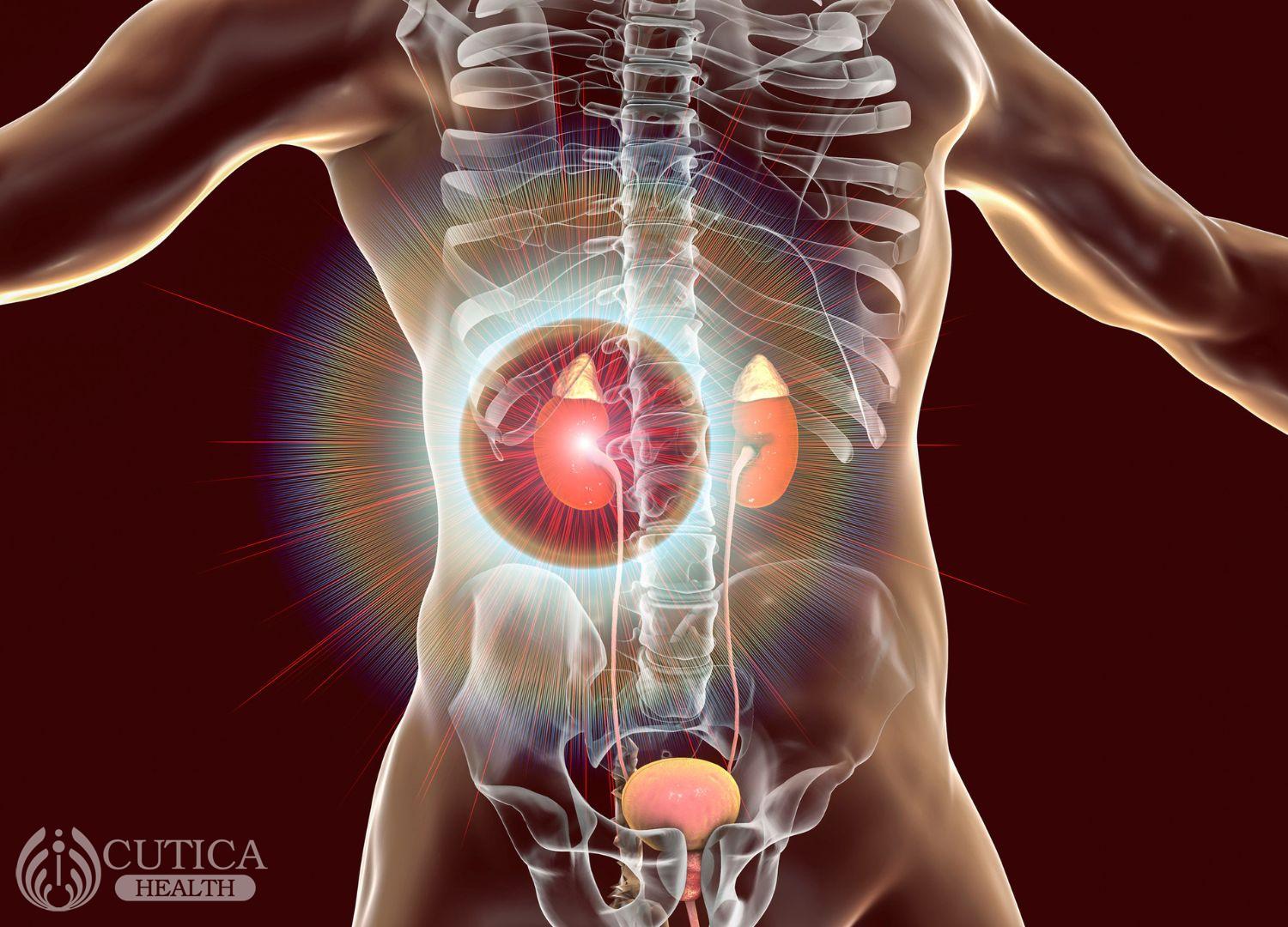
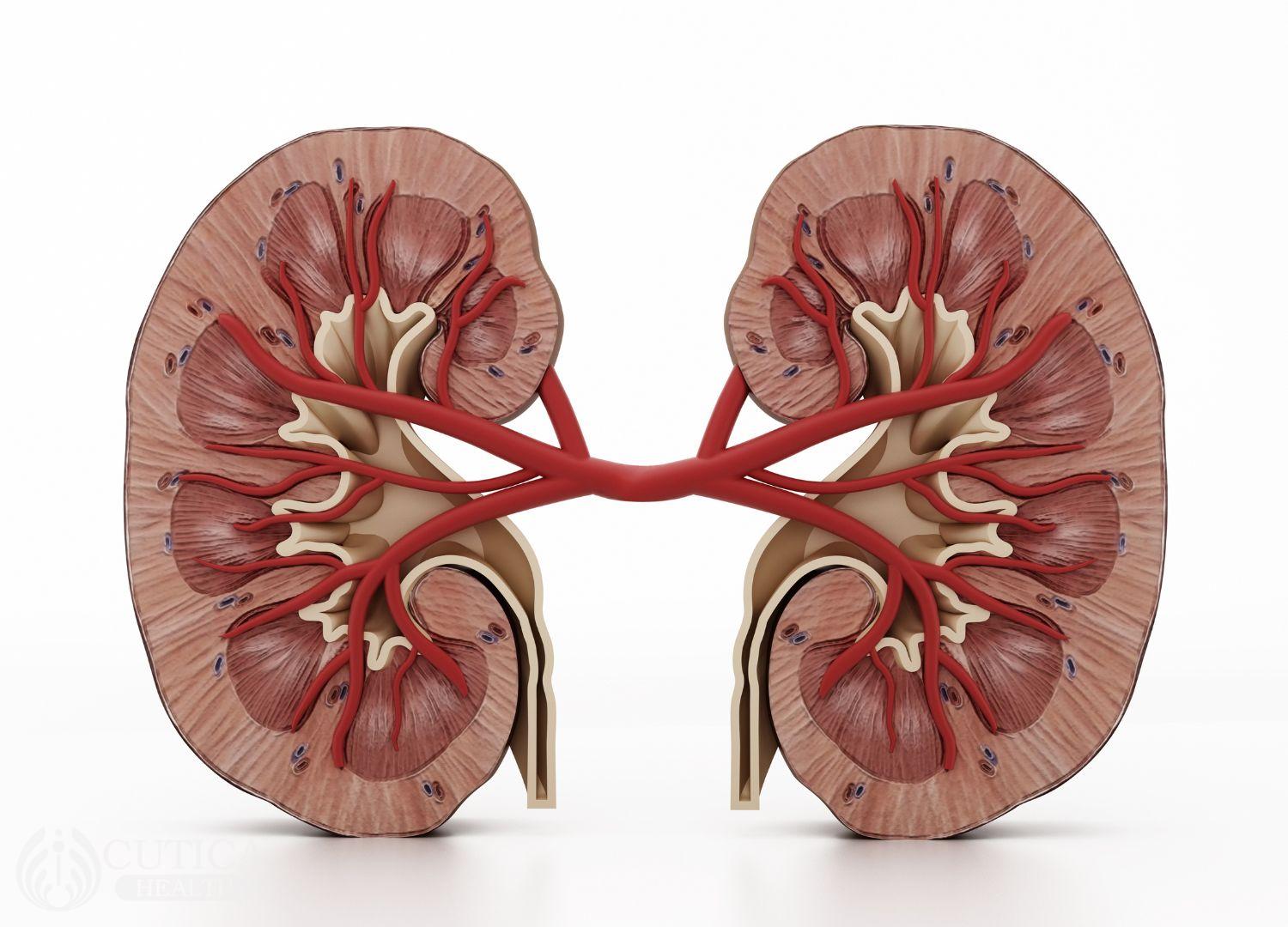
Kidney diseases affect millions of adults all over the world. While hypertension (high blood pressure) is a well-known cause of kidney disease, other factors can also lead to kidney disease in adults. These other causes are important because knowing about them and taking the right steps can help prevent some cases of kidney disease. 

Other Causes of Kidney Diseases 

  1. Diabetes: Diabetes mellitus is a disease that results in high blood sugar. It is a leading cause of kidney disease. When blood sugar levels remain high over an extended period, there can be damage to the blood vessels in the kidneys. This can lead to impaired kidney function, called diabetic nephropathy, which can progress to chronic kidney disease (CKD) if left untreated. Therefore, controlling blood sugar levels by adhering to guidelines from healthcare providers is important in preventing the onset and progression of kidney disease in people with diabetes.
  2. Infections: Recurrent infections that directly affect the kidneys can cause kidney damage. Also, any severe, acute, widespread infection, such as a blood infection (sepsis), can cause kidney injury.
  3. Autoimmune disorders: Autoimmune disorders are diseases in which the body's immune system mistakes its healthy tissues as foreign and attacks them. Several autoimmune conditions can damage the kidneys in this way. One leading example is systemic lupus erythematosus (SLE, also called lupus).
  4. Genetic and hereditary factors: Some individuals may inherit genetic abnormalities that place them at risk for kidney diseases. Examples include polycystic kidney disease (PKD), a relatively common hereditary kidney disorder where fluid-filled cysts develop in the kidneys, gradually replacing normal kidney tissue and affecting its function negatively. Other genetic conditions and inherited metabolic disorders cause direct damage to the kidneys, or the build-up of abnormal chemicals that damage the kidneys.
  5. Medications and toxins: There are certain medications and exposures to toxins that can have negative effects on kidney function. Drugs such as nonsteroidal anti-inflammatory drugs (NSAIDs), when used excessively or for extended periods, can cause kidney damage. Examples of common NSAIDs include ibuprofen, diclofenac, etc. Some antibiotics, antivirals, and chemotherapy drugs can also negatively affect the kidneys. Exposure to heavy metals such as lead, mercury, or cadmium, or industrial chemicals like solvents and pesticides, can damage the kidneys and contribute to the development of kidney diseases.

Conclusion

While hypertension remains a significant cause of kidney disease in adults, other factors can contribute to it. Diabetes, infections, autoimmune disorders, genetic and hereditary factors, as well as certain medications and toxins, can all play a role in the development and progression of kidney disease. Recognizing and addressing these causes early can help reduce the risk of kidney damage.


Categories
Uncategorized

Why We Dream During Sleep

Most people have had a dream at one time or another. A dream can be described as a stream of images often paired with feelings, sounds, and emotions that occur when we sleep. 

Although visual imagery occurs most frequently in dreams, dreams can also include the other senses. For instance, a person may dream that they are running, but they can't see where they are going. Visually impaired people have dreams focused more on sounds, tastes, and smells. 

Dreams are commonplace, which has led to the question, "why do we dream?"

This question is one that scientists have yet to conclusively answer. 

Some possible reasons include: 

Increased brain activity during REM sleep….

Dreams can happen during any stage of sleep but occur most frequently during REM (rapid eye movement) sleep. During REM sleep, the eyes move rapidly under the lids but do not send visual information to the brain. Additionally, the breathing rate increases, the muscles go tense, and the heart rate increases. 

Dreams during REM sleep have been linked to increased brain activity during REM sleep compared to other stages of sleep.  Some theorists say that dreams occur when memories move from the hippocampus, the part of the brain where memories are stored, to another part of the brain called the neocortex during REM sleep. Others say that dreams occur as incidental brain activity serving no purpose. 

Another view looks at dreams as the brain's way of cleaning up. This viewpoint holds that we dream when the brain clears away unnecessary, wrong, or partial information.

Dreams play a role in memory

Another common dream theory is that dreams serve as memory aids. Research has shown that information learned right before sleeping is recalled more easily because the brain can block out interference and focus on the information.

It is proposed that dreams allow memory to be combined, strengthened, and stored more efficiently. 

Dreams help us process emotions

Emotions are an essential part of our daily lives. People, events, finances, and more all stir up different emotions within us daily. Some of these emotions we can attend to instantly, but others we may have to repress. So, dreams may provide a way to engage with these emotions and relieve them. Sometimes, the brain may make connections between events and emotions that our conscious selves might not notice. 

Health states and conditions 

Different physiological states and health conditions can affect how often you dream. If you have been sleep-deprived for several nights, research has shown that you have an increased tendency to have vivid dreams and remember them. 

Pregnant women also have more intense, vivid dreams than other people. One reason for this is the increases in hormones that may affect how the brain processes emotions and thoughts. 

Some mental health disorders, such as bipolar   disorder, anxiety, and depression, may result in intense dreams that may be sad, disturbing, or even nightmares. Certain medications, such as antipsychotics and antidepressants, can also increase the risk of nightmares. 

Conclusion

The exact reason we dream is still unknown. There are different theories about it that scientists are still sorting through. Meanwhile, CUTICA Health wishes you a restful sleep.


Categories
Uncategorized

10 REASONS TO STOP SMOKING

Caley has smoked since high school. She picked up the habit to look cool in school, but as time went on, it became a nervous habit. She smoked whenever she was under stress in college and now at work. And she was often under a lot of stress. Occasionally, she made attempts to quit, but she always went back to smoking. However, she found out on Facebook that Jessy, a smoking buddy of hers, died of lung cancer a few weeks ago. She is now more determined to quit than ever before.

Smoking is a harmful habit practised by millions of people worldwide. While it may provide temporary relaxation, the long-term consequences of smoking are severe and can be life-threatening. It is estimated that 1.3 billion people use tobacco worldwide, with 80% of them living in low- and middle-income countries. So why should a smoker quit smoking?

  1. Improved Physical Health: Quitting smoking significantly improves physical health. Smoking damages the breathing system, leading to lung diseases such as bronchitis and emphysema. By quitting, individuals can reduce their risk of developing these conditions and improve their breathing.
  2. Reduced Risk of Cancer: Smoking is a leading cause of almost every type of cancer you can imagine, including lung, throat, mouth, and oesophageal cancer. Quitting helps individuals significantly reduce their risk of developing these life-threatening diseases. This gives them a chance for a healthier and longer life.
  3. Enhanced Cardiovascular Health: Smoking also damages the cardiovascular system (i.e. heart and blood vessels), increasing the risk of heart disease, stroke, and other circulatory problems. By quitting smoking, blood circulation is improved. Also, blood pressure is lowered, and there is a reduced likelihood of experiencing heart-related complications.
  4. Financial Savings: Smoking is an expensive habit. The cost of cigarettes adds up over time, significantly affecting the smoker’s finances. When individuals quit smoking, they can save a substantial amount of money that can be allocated to more meaningful and rewarding endeavours.
  5. Improved Sense of Smell and Taste: Smoking dulls the senses of smell and taste by destroying the taste buds in the mouth. By quitting, individuals can regain these senses, allowing them to enjoy the flavors of food and appreciate the aromas around them more fully. This can lead to greater overall enjoyment of life.
  6. Enhanced Fertility: Smoking has detrimental effects on fertility for both men and women. It can reduce the chances of conception, increase the risk of miscarriages, and harm the development of the foetus. Quitting smoking is crucial for couples trying to conceive and have a healthy pregnancy.
  7. Protection of Loved Ones: Second-hand smoke poses serious health risks to those around smokers, particularly family members and friends. There are specific diseases in children that are linked to having parents who smoke cigarettes, such as “glue ear” due to fluid build-up in the ear. By quitting smoking, individuals protect their loved ones from the harmful effects of passive smoking, reducing their risk of respiratory problems and other smoking-related illnesses.
  8. Improved Physical Appearance: Smoking accelerates the aging process, leading to premature wrinkling, sagging skin, and a dull complexion. Quitting smoking can improve the skin's appearance, making it appear healthier, fresher, and more vibrant.
  9. Increased Energy and Stamina: Smoking reduces energy levels and stamina, making physical activities more challenging. By quitting, individuals can experience an increase in energy, allowing them to engage in activities they may have previously struggled with, leading to a more active and fulfilling lifestyle.
  10. Role Model for Others: Quitting smoking not only benefits the individual but also sets a positive example for others, especially children and young adults. By quitting, individuals show that it is possible to overcome addiction and prioritize their health, inspiring others to make positive changes in their lives as well.

Conclusion

The decision to quit smoking is undoubtedly challenging, but the rewards are immeasurable. Improved physical health, reduced risk of cancer and heart disease, financial savings, and a better quality of life are just a few of the compelling reasons to quit smoking. By taking this step, individuals not only improve their own well-being but also positively impact the lives of those around them. It is never too late to quit smoking and embrace a healthier and smoke-free future.