Categories
Uncategorized

Five Things You Should Know About Autism

Autism spectrum disorder (ASD), also simply referred to as autism, is a term used to describe a group of neurodevelopmental conditions characterized by impairments in social skills, communication, and behaviour.

ASD affects people of all races, cultures, religions, ages, genders, and socioeconomic backgrounds equally. 

Autism has no known cause 

Presently, autism spectrum disorder has no cause. Experts believe that a combination of genetic and environmental factors contribute to its development. Some identified risk factors include complications during pregnancy, advanced parental age, genetic disorders such as fragile X syndrome, low birth weight, and having an immediate family member on the spectrum. 

What we do know is that vaccines and parenting techniques can not cause autism.

Autism can be diagnosed in early childhood

Like any other disorder,  autism spectrum disorder has distinct symptoms that allow it to be diagnosed. ASD symptoms are often noticed in early childhood between 12 and 24 months of age, but they may also appear later on. Most symptoms appear before age 5.

The Diagnostic and Statistical Manual-5 identifies two categories of symptoms which are:

  • Communication and social interaction difficulties : these symptoms include difficulty maintaining eye contact, no response to their name, does not notice the emotions of others,  using no or few hand gestures, does not display facial expressions reflective of their emotions, does not follow point, and does  not engage in pretend or turn-taking play. 


  • Repetitive or restricted patterns of behaviour/activities: this includes movements such as rocking, spinning, arm flapping, repeating words or phrases, being attached to strict routines around activities like bedtime, likes to arrange things in specific order and may get upset over changes. 


A person can only be diagnosed with autism if they experience symptoms from both categories. 


Autism is called a spectrum because….

Autism is called a spectrum disorder because it manifests in a broad range of abilities and symptoms. Autistic people can be high-functioning, low functioning, or in the middle of the scale. Some people are verbal and even fluent while others are not. 

The most common symptom seen in people with ASD lies in social interactions and behaviours. 

 Autism is a lifelong diagnosis

Autism has no cure but early interventions can aid in reducing the intensity of symptoms. Intervention targets the behavioural, sensory, developmental symptoms that the individual presents. Speech therapy, occupational therapy, and play therapy are used to improve the quality of life of people on the spectrum while equipping them with essential skills. 

Autism often occurs alongside other disorders 

When two or more disorders occur alongside each other, it is known as comorbidity. People with autism may also be diagnosed with attention deficit hyperactivity disorder (ADHD), eating disorders, obsessive compulsive disorder (OCD), learning disorders, and mood disorders such as depression.

Conclusion

Autism spectrum disorder is a complex and broad disorder, presenting in diverse ways in people of different races, ages, genders, and religions. 

Although autism is not a death sentence, it can be challenging to deal with, both for the individual and their loved ones. If you know someone caring for an autistic individual, try to render your support. If you encounter people on the spectrum during work or school, make sure to be an advocate for them and give support as needed. 
 

Categories
Uncategorized

The Eyes Don’t Lie: Catching Health Issues Early with Routine Eye Checkups

Bola had been experiencing blurry vision for weeks, but she assumed it was due to her long hours on the computer. However, during a routine eye checkup, her optometrist discovered that her blurry vision was a symptom of diabetes.  

The optometrist referred her to a general practitioner, and Bola was able to receive prompt medical attention before her condition worsened. This is just one example of how a routine eye checkup can uncover health issues. 

Introduction 

Regular eye exams are not only essential for ensuring excellent vision, but they can also detect early signs of a wide range of health conditions. These include high blood pressure, diabetes, thyroid problems, multiple sclerosis, cataracts, and glaucoma.  

Regular eye exams are essential to maintaining good health and should be scheduled every two years or more frequently as recommended by your eye specialist or general practitioner.  

By prioritizing your eye health and maintaining a healthy lifestyle, you can enjoy good vision for years.  

Health Conditions that routine eye exam can detect early 

High Blood Pressure 

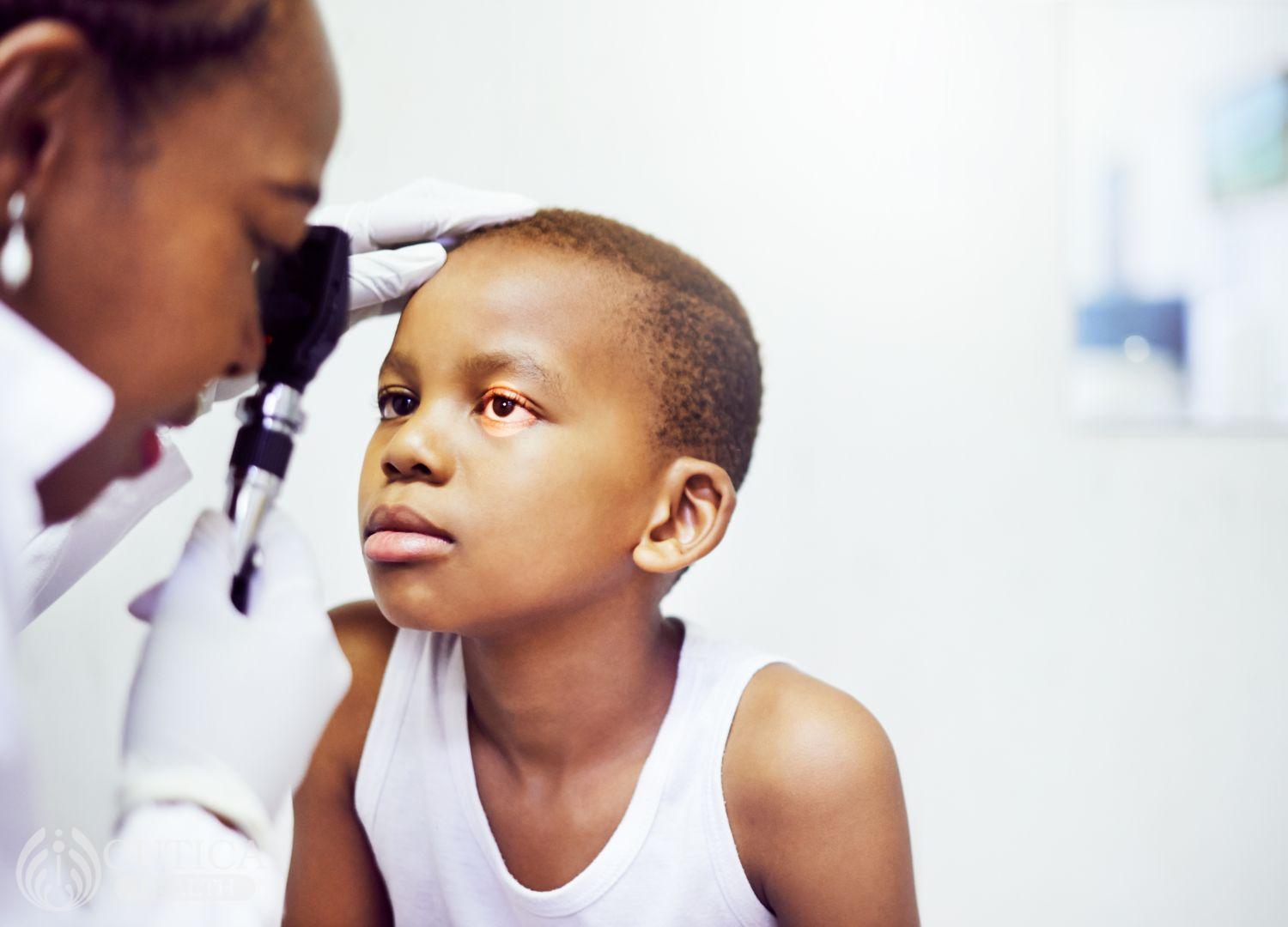
The eye's blood vessels provide a clear view of the tiny blood vessels throughout the body. During an eye exam, an eye specialist (optometrist or ophthalmologist)  can detect signs of high blood pressure by examining the blood vessels in the retina. High blood pressure can lead to severe health problems such as heart attack, stroke, and kidney disease if left untreated. 

Diabetes 

Diabetes is a condition that affects the body's ability to produce or use insulin. High blood sugar levels can cause damage to the blood vessels in the retina, leading to a condition called diabetic retinopathy. Early detection of diabetic retinopathy during a routine eye exam is critical in preventing blindness, and it can also signal the need for patients to undergo testing for diabetes. 

Thyroid Problems 

The thyroid gland produces hormones that regulate the body's metabolism. If the gland produces too much or too little of these hormones, it can cause various health problems. During an eye exam, an eye specialist can detect signs of an overactive or underactive thyroid gland by examining the tissue and muscles around the eyes. 

Multiple Sclerosis 

Multiple sclerosis (MS) is a chronic disease that affects the nervous system. It can cause a wide range of symptoms, including vision problems. An eye exam can detect early signs of MS in the optic (eye) nerve. Early detection is crucial in treating MS and preventing its progression. 

Cataracts 

Cataracts are a common eye condition where the eye's lens becomes cloudy, leading to blurry vision. An eye specialist can detect early signs of cataracts by examining the eye's lens. Early detection of cataracts is essential for prompt treatment and preserving sight. 

Glaucoma 

Glaucoma is a condition that causes damage to the optic nerve, often due to increased pressure in the eye. It is a leading cause of blindness, but it can be treated if detected early. The eye specialist detects early signs of glaucoma by measuring the pressure inside the eye and examining the optic nerve. 

Autoimmune Diseases 

Autoimmune diseases can cause a range of symptoms, including eye inflammation and dry eye syndrome. Early signs can also include blurred vision.  

Conclusion 

Eye exams are essential for maintaining good vision, but they also play a crucial role in detecting early signs of many health conditions. Regular eye exams can uncover health issues before symptoms set in, providing an opportunity for prompt medical attention and treatment. It is recommended that adults undergo a comprehensive eye exam every two years or more frequently if recommended by an eye specialist or general practitioner.

Remember, the eyes don't lie, and a routine eye exam can provide valuable information about your overall health. Don't wait until you experience symptoms to schedule an eye exam. Instead, make it a priority to schedule regular checkups to stay on top of any potential issues. 

In addition to scheduling regular eye exams, it's essential to maintain a healthy lifestyle to reduce your risk of developing health issues. This includes eating a balanced diet, exercising regularly, getting enough sleep, and managing stress. 

Categories
Uncategorized

The Power of Prevention: Why Routine Medical Checkups Are Essential for Your Health

Linda was always busy with work and rarely took a break. She started experiencing headaches, which she ignored, thinking it was stress-related, and took painkillers to relieve them, but they persisted.  

One day, while at work, she collapsed and had to be rushed to the hospital. She was diagnosed with a stroke from severe hypertension. If she had gone for a routine medical checkup, her condition would have been detected early and managed properly. 

Introduction 

Routine medical checkups are an essential part of maintaining good health. They allow healthcare providers to detect and treat health problems early, improving health outcomes and reducing the risk of complications. Despite the importance of checkups, many people neglect their health and only see a healthcare provider when sick.  

What is a Routine Medical Checkup? 

A routine medical checkup is a comprehensive health exam that includes various tests and screenings. The exact tests and screenings included in a routine checkup can vary depending on age, gender, medical history, and other factors. Some common tests and screenings that may be included in a routine checkup include: 

  • Physical exam: A healthcare provider will ask questions to find out whether you are experiencing any symptoms then examine your body for any signs of illness or disease. 
  • Blood tests: A blood test can help detect various health conditions, such as diabetes, high cholesterol, and liver or kidney disease. 
  • Urine tests: A urine test can help detect various health conditions, such as urinary tract infections and kidney disease. 
  • Blood pressure measurement: This simple test checks for high blood pressure, a common condition that can lead to serious health problems like heart disease and stroke. 
  • Body mass index (BMI) calculation: This measures body fat based on height and weight. A high BMI can indicate obesity, which increases the risk of many health problems. 
  • Cancer screenings: Depending on age and gender, a healthcare provider may recommend screenings to detect abnormal (cancerous) growths. Such screenings include mammograms or colonoscopies. 
  • Immunizations: A healthcare provider may recommend immunizations to protect against infectious diseases. 
  • STI tests: Depending on sexual history, a healthcare provider may recommend testing for sexually transmitted infections (STIs) such as chlamydia, gonorrhoea, and HIV. STI testing can help detect and treat infections early, reducing the risk of complications and transmission to others. 

Who Should Get a Routine Medical Checkup? 

The answer to this question is simple: Everyone should get a routine medical checkup. Regardless of age, gender, or health status, regular checkups are essential for maintaining good health and detecting any health problems early. 

Children and Adolescents 

Children and adolescents should receive routine checkups to ensure they grow and develop properly. These checkups are important to keep up with recommended immunizations and can also help identify health issues, such as developmental delays, vision or hearing problems, and behavioural issues. 

Adults 

Adults should receive routine checkups to maintain overall health and identify problems early. Regular checkups can help manage chronic health conditions such as high blood pressure, diabetes, and heart disease. 

Elderly 

Elderly individuals should receive routine checkups to monitor their health and manage age-related health conditions. Regular checkups can help identify and treat arthritis, osteoporosis, and dementia. 

When Should You Get a Routine Medical Checkup? 

The timing of routine medical checkups can vary depending on age, gender, medical history, and other factors. Here are some general guidelines for when to schedule your next checkup: 

  • Children and adolescents: Healthcare providers recommend routine checkups for children and adolescents yearly. 
  • Adults: Healthcare providers recommend routine checkups for healthy adults every 1-3 years. If you are 40 years or older, having medical checkups at least once every year is greatly advised.  
  • Elderly: Healthcare providers recommend routine checkups every year for elderly individuals. 

However, it's important to note that these are general guidelines, and the timing of routine checkups may vary depending on an individual's unique health needs. The timing also depends on the presence of chronic illnesses. For example, people with diabetes or hypertension or who have been using medications for a long time must visit their doctor regularly. 

What Else Do Routine Medical Checkups Provide? 

  • Peace of Mind: Routine checkups can provide peace of mind knowing that you are actively maintaining your health. 

World Health Day and Routine Medical Checkups: Promoting Health for All 

World Health Day is celebrated annually on April 7th, and in 2023, the World Health Organization will observe its 75th birthday. This year's theme is "Health for All," highlighting the importance of ensuring everyone has access to essential healthcare services, regardless of income or social status. Routine medical checkups are a critical part of achieving health for all. They provide an opportunity to detect and address health issues early, improving health outcomes and reducing the risk of complications. 

Building a Healthier World for Everyone 

As we celebrate World Health Day, we can look back at public health successes and intensify action to tackle today's and tomorrow's health challenges. Routine medical checkups are a critical part of this effort, as they ensure everyone has access to essential healthcare services, promoting health for all. 

Conclusion 

Ignoring routine medical checkups can have dire consequences, just as it did for Linda. Regular checkups help manage chronic conditions, prevent diseases, and promote healthy living.  

In Africa, the neglect of routine checkups is common due to a lack of awareness, inadequate resources, and inadequate healthcare infrastructure. However, everyone, regardless of income or social status, should prioritize their health by going for regular checkups. Let us step towards a healthier world by scheduling our routine medical checkups today. Health for all is possible, and it starts with you. 

Categories
Uncategorized

Sudden Cardiac Death

The sun was shining, and the birds were chirping as Sarah walked through her local park, enjoying the fresh air and exercise. Suddenly, she felt a sharp pain in her chest, and everything went black. Passersby rushed to her aid, but it was too late. Sarah had experienced sudden cardiac death, which affects thousands of people yearly.

What is Sudden Cardiac Death?

Sudden cardiac death (SCD) is a sudden and unexpected death caused by an abrupt loss of heart function. SCD occurs within minutes of the onset of symptoms, usually before medical assistance can arrive. SCD can occur in people of all ages, including infants and young adults, but it is most commonly seen in people over 35.

SCD is not the same as a heart attack. A heart attack occurs when blood flow to the heart muscle is blocked, causing damage to the heart muscle. SCD, on the other hand, occurs when the heart suddenly stops beating, which leads to a lack of blood flow to the brain and other vital organs.

Causes of Sudden Cardiac Death

SCD is the result of a sudden cardiac arrest, and this is often caused by an underlying heart condition, such as:

  • Coronary artery disease: This is the most common cause of SCD. It occurs when the arteries that supply blood to the heart become narrowed or blocked.
  • Cardiomyopathy: This is a disease of the heart muscle that causes the heart to become enlarged or thickened. This can cause the heart to beat irregularly, leading to SCD.
  • Arrhythmias: These are abnormal heart rhythms that various factors, including genetic mutations, drug or alcohol abuse, and electrolyte imbalances, can cause.
  • Congenital heart defects: These are heart defects that are present at birth and can cause abnormalities in the heart's structure or function.
  • Valvular heart disease: This is a condition in which the valves in the heart do not function properly, leading to blood flow problems.

Prevention of Sudden Cardiac Death

Several steps can be taken to lower your risk of heart disease, thereby preventing SCD. These include:

  • Regular exercise: Doing this can help keep the heart healthy and reduce the risk of heart disease.
  • A healthy diet: A healthy diet low in saturated fat and high in fruits, vegetables, and whole grains can help reduce the risk of heart disease.
  • Quit smoking: Smoking is a significant risk factor for heart disease and SCD. Quitting smoking can help reduce the risk of SCD.
  • Control high blood pressure: High blood pressure can increase the risk of heart disease and SCD. Controlling blood pressure through lifestyle changes and medication can help reduce the risk of SCD.
  • Manage diabetes: Diabetes can increase the risk of heart disease and SCD. Proper management of diabetes through medication, diet, and exercise can help reduce the risk of SCD.
  • Identify and treat underlying heart conditions: If you have an underlying heart condition, it is essential to identify and treat it. Regular check-ups with a doctor can help detect and treat any heart conditions before they lead to SCD.

Treatment of Cardiac Arrest

In cases of SCD, immediate medical attention is crucial. Treatment may include:

  1. Cardiopulmonary resuscitation (CPR): CPR can help restore blood flow to the brain and other vital organs until medical professionals arrive.
  2. Defibrillation: A procedure that delivers an electric shock to the heart, which can help restore a normal heart rhythm.
  3. Medications: Some medications may help regulate the heart rhythm and prevent such fatal cardiac arrest.
  4. Implantable Cardioverter Defibrillator (ICD): An ICD is a small device implanted under the chest's skin. It continuously monitors the heart's rhythm and can deliver an electric shock to the heart if an abnormal rhythm is detected.
  5. Surgery: In some cases, surgery may be necessary to treat an underlying heart condition causing sudden cardiac arrest.

Conclusion

Sudden cardiac death is a severe condition that can occur without warning. It is essential to understand the risk factors and take steps to prevent them, such as regular exercise, a healthy diet, quitting smoking, controlling high blood pressure, managing diabetes, and identifying and treating underlying heart conditions.


Categories
Uncategorized

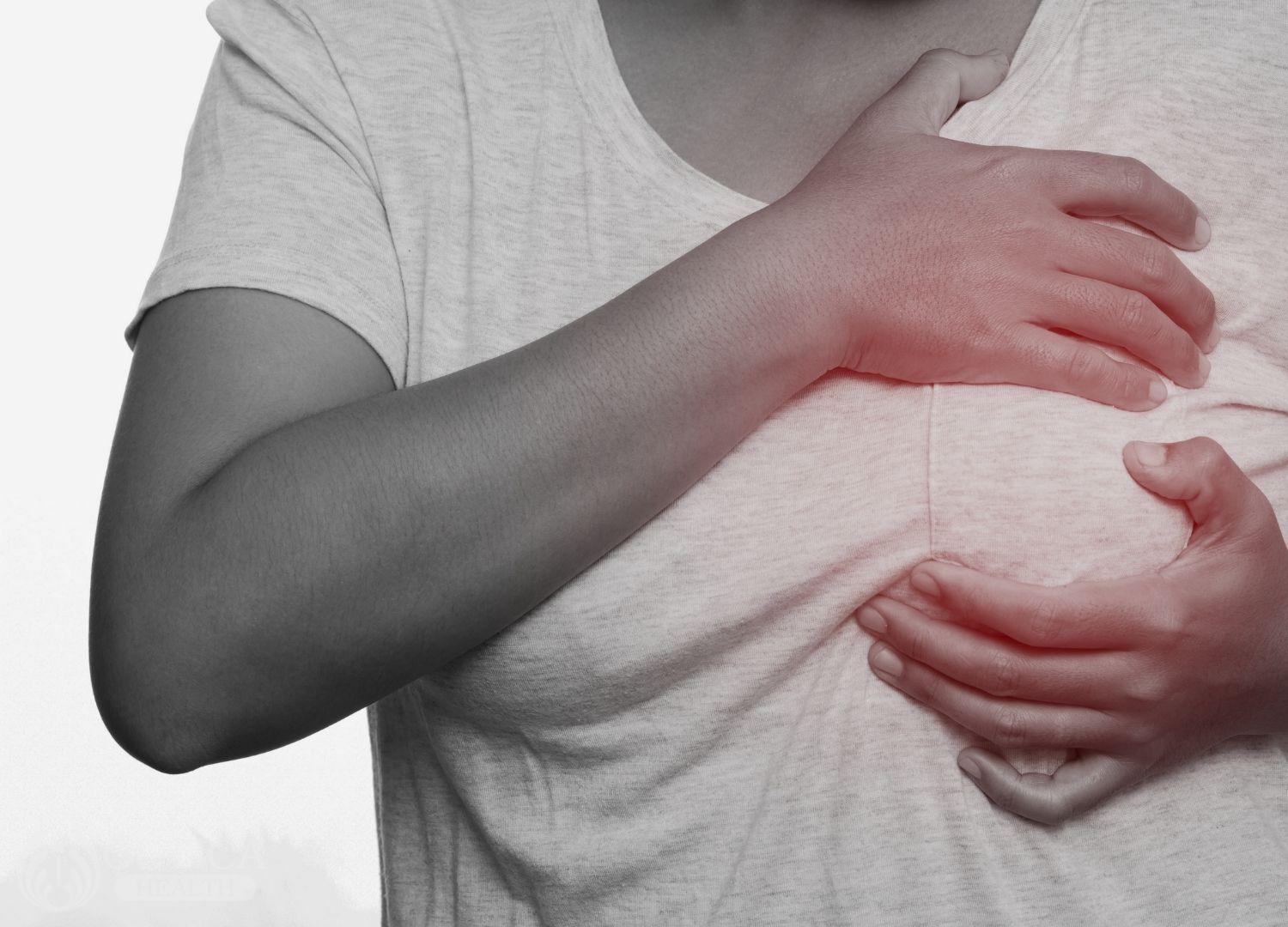
Breast Abscess: Causes, Symptoms, and Treatment

Samantha was a 34-year-old mother of two who had been breastfeeding her youngest child for three months. One day, she noticed a painful lump in her breast, which quickly became swollen and red. She was scared and unsure of what was happening to her. After consulting with her doctor, she was diagnosed with a breast abscess.

A breast abscess is a painful condition that occurs when pus collects in breast tissue, leading to swelling and inflammation. It can happen to any woman, but it is more common in those who are breastfeeding.

Risk Factors of Breast Abscess

Breast abscesses usually develop when bacteria enter the breast through a cracked nipple or milk duct. The bacteria can multiply in the breast tissue and leads to the formation of pus.

Factors that can increase the risk of developing a breast abscess include:

  • A weakened immune system
  • Previous breast surgery
  • Chronic breast inflammation or mastitis
  • Smoking
  • Diabetes

Symptoms of Breast Abscess

The symptoms of breast abscess can vary from woman to woman, but they generally include the following:

  • Pain and tenderness in the affected breast
  • Swelling and redness in the breast
  • A fever or chills
  • A feeling of warmth or heat in the breast
  • Nipple discharge
  • A hard lump in the breast

If you are experiencing any of these symptoms, you should seek medical attention immediately.

Treatment for Breast Abscess

The treatment for breast abscesses depends on the severity of the condition. Antibiotics may be prescribed in mild cases to help fight the infection. Pain relievers like acetaminophen or ibuprofen may also be recommended to manage the pain.

In more severe cases, the abscess may need to be drained. This can be done in a variety of ways, including:

  • Needle aspiration: A needle is used to remove the pus from the abscess.
  • Incision and drainage: A small incision is made in the skin over the abscess, and the pus is drained through the incision.

Preventing Breast Abscess

There are several steps you can take to reduce your risk of developing a breast abscess, including:

  • Practicing good breast hygiene: Wash your breasts and nipples with warm water and soap before and after breastfeeding.
  • Using proper breastfeeding techniques: Ensure your baby is latching on correctly to prevent nipple damage.
  • Treating any cracks or injuries to the nipple: Use a nipple shield or cream to help soothe and heal any cracks or injuries.
  • Managing mastitis: If you develop mastitis, or an infection of the skin of the breast, seek treatment immediately to prevent it from developing into a breast abscess.

Conclusion

Breast abscesses can be painful and scary. If you are experiencing symptoms of a breast abscess, seek medical attention. Early intervention can prevent the condition from worsening.


Categories
Uncategorized

Dangers of Skin Bleaching

Amelia had always felt insecure about her dark skin. Growing up, she had been teased and bullied for it, and as she got older, the pressure to conform to what she thought was “western beauty standards” only increased.  

One day, she stumbled upon an online forum where people were raving about the benefits of skin bleaching. It promised to lighten her skin tone and make her look more attractive. Desperate to fit in, Amelia started using a bleaching cream. But she soon discovered the dangers of skin bleaching, and it was too late to turn back. 

Skin bleaching, also known as skin lightening or skin whitening, refers to using chemicals or natural substances to lighten the skin tone. It is a common practice in many parts of the world, including Africa, Asia, and the Caribbean, where there is a cultural preference for lighter skin. However, using skin bleaching products has become a global phenomenon, with millions of people using them daily. 

While skin bleaching may seem like a harmless cosmetic procedure, it can have severe consequences for your health. Here are some of the dangers of skin bleaching that you should be aware of: 

1.Skin irritation and damage 

Skin bleaching products contain harsh chemicals that can irritate and damage your skin. Some of the most common ingredients in these products are hydroquinone, mercury, and corticosteroids, all of which can cause skin irritation, redness, and even burns. Prolonged use of these products can also lead to skin thinning, making it more susceptible to injury and infection. 

2. Increased risk of skin cancer 

Skin bleaching products can increase your risk of skin cancer. Hydroquinone, one of the most commonly used ingredients in these products, has been linked to an increased risk of skin cancer. Mercury, another ingredient commonly found in skin bleaching products, can also be toxic and can cause damage to your kidneys, nervous system, and brain. 

3. Uneven skin tone 

Skin bleaching products can cause an uneven skin tone, especially if not used properly. If you overuse these products or leave them on your skin for too long, you may end up with patches of lighter and darker skin, which can be difficult to correct. 

4. Dependency 

Skin bleaching products can be addictive; once you start using them, it can be difficult to stop. You may feel like you need to continue using these products to maintain your lighter skin tone, even if it's causing harm to your skin and health. 

5. Psychological effects 

Skin bleaching can have psychological effects on individuals who use them. People who use these products feel like they need to conform to Western beauty standards or feel pressure from their communities to lighten their skin tone. This can lead to low self-esteem, anxiety, and depression. 

Getting Help 

So, what can you do if you've been using skin bleaching products and want to stop and recover? Here are some tips: 

1.Talk to a dermatologist 

Talk to a dermatologist if you're experiencing skin problems due to using skin bleaching products. They can help you identify the cause of your skin problems and recommend treatment options to help restore your skin's health. 

2. Embrace your natural skin tone 

It is important to embrace your natural skin tone and appreciate the unique beauty that it brings. By loving yourself and your natural skin, you can build self-esteem and reduce the pressure to conform to unrealistic beauty standards. 

3. Be patient 

It may take time for your skin to recover from the effects of skin bleaching. Be patient and kind to yourself as you work towards restoring your skin's health. Focus on caring for your skin using gentle and natural skin care products that promote skin health and hydration. 

4. Educate others 

Educating others about the dangers of skin bleaching can help prevent others from falling into the same trap. Talk to your friends and family about the risks associated with skin bleaching and encourage them to embrace their natural skin tone. 

Conclusion 

Skin bleaching may seem like an easy way to achieve lighter skin tone, but it comes with serious risks to your skin and health. By educating yourself about the dangers of skin bleaching and embracing your natural skin tone, you can build your self-esteem, promote skin health, and inspire others to do the same. Remember, your skin is beautiful just the way it is, and you should never put your health at risk in the pursuit of beauty. 

Categories
Uncategorized

Skin changes not to ignore

Jenny had always been proud of her clear, glowing skin. She never had to deal with acne in her teenage years and barely used makeup to cover up blemishes. However, one day, she noticed a small spot on her forehead that wouldn't go away. It didn't itch or hurt, but it was there, and it bothered her. She assumed it was a pimple and tried various treatments, but it wouldn't budge. She didn't think much of it until noticing more spots on her face and body. That's when she realized something was wrong. 

Jenny's experience is common. Skin changes can happen to anyone, and paying attention to them is essential. Some skin changes are harmless and resolve independently, but others may indicate a severe underlying condition.  

1.Skin tags 

Skin tags are small, flesh-colored growths that usually appear on the neck, armpits, eyelids, and groin. They are usually painless, but they can be irritating if they rub against clothing or jewelry. Skin tags are common and not harmful. However, if they suddenly start growing or changing color, it's essential to have them checked by a dermatologist. Sometimes, skin tags can indicate an underlying condition such as diabetes or hormonal imbalances. 

 2. Moles 

Moles are usually harmless but can develop into melanoma, a severe form of skin cancer. That's why it's essential to keep an eye on them and monitor any changes. Check your moles regularly for any size, shape, color, or texture changes. If you notice any of these changes, it's crucial to have them checked by a dermatologist as soon as possible. 

3. Rashes 

Rashes can be caused by various factors such as allergies, infections, or autoimmune diseases. They can appear as red, itchy, or scaly patches on the skin. Most rashes are harmless and go away on their own. However, if you notice a rash that doesn't go away or spreads rapidly, seeing a dermatologist is essential. Some rashes indicate a severe underlying condition, such as lupus or psoriasis. 

4. Acne 

Acne is a common skin condition that affects most people at some point. It's caused by clogged pores, bacteria, and hormonal imbalances. Most acne can be treated with over-the-counter products or prescription medication. However, if your acne is severe or you notice unusual breakouts, it's crucial to have it checked by a dermatologist.  

5. Dry, itchy skin 

Dry, itchy skin can be caused by various factors such as dry air, harsh soaps, or eczema. Most dry, itchy skin cases can be treated with moisturizers or over-the-counter creams. However, if your skin is extremely dry or itchy and doesn't improve with moisturizers, it's essential to see a dermatologist. Sometimes, dry, itchy skin can indicate an underlying condition such as thyroid problems or liver disease. 

6. Warts 

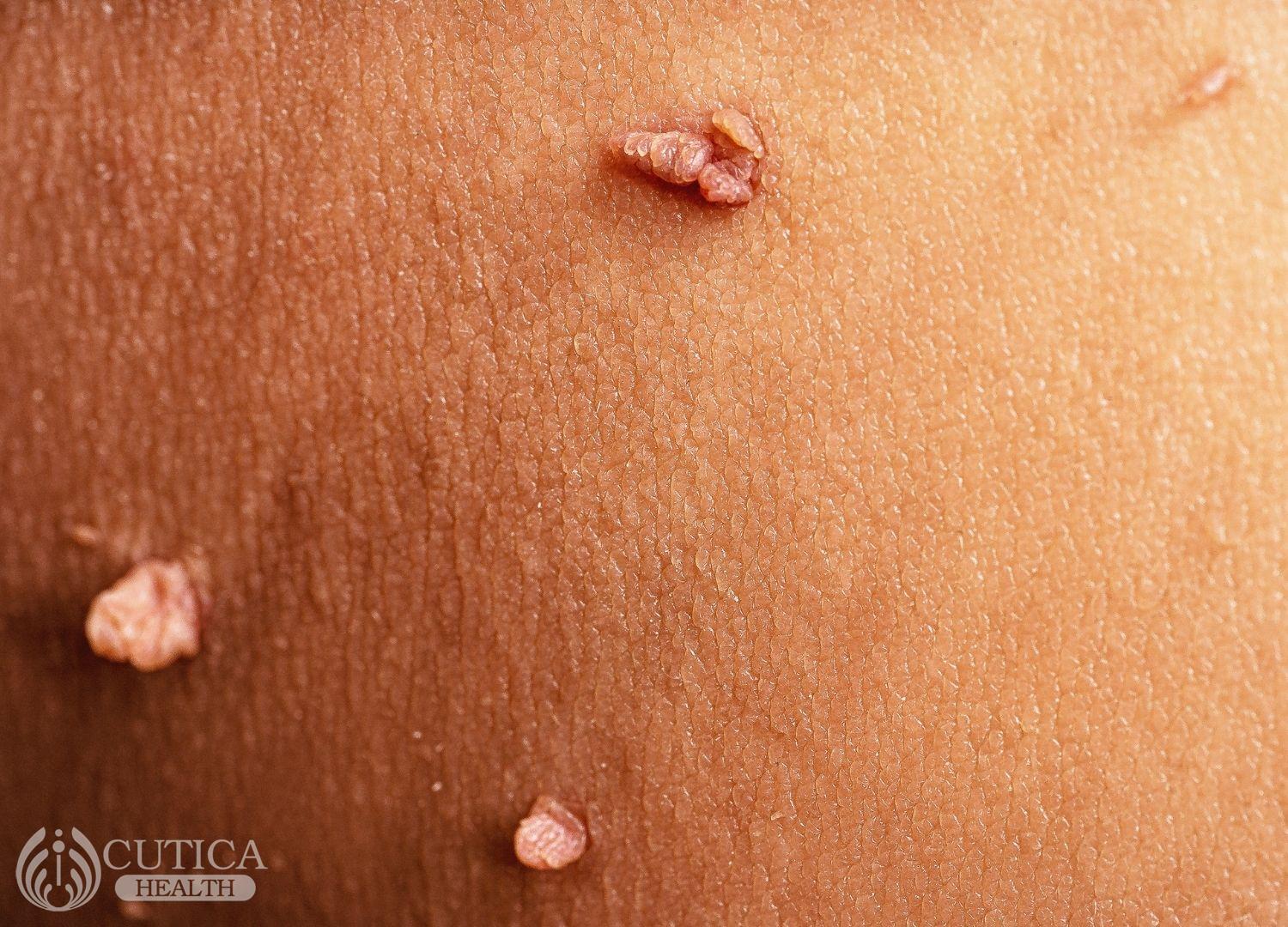
Warts are small, raised bumps on the skin caused by the human papillomavirus (HPV). They can be unsightly and embarrassing. Some types of HPV cause cancer in genital areas.. 

7. Sores that don't heal 

Sores that don't heal can be a sign of an underlying condition such as diabetes or skin cancer. If you have a sore that doesn't heal after a few weeks, it's essential to have it checked out. The doctor may recommend a biopsy to determine if it's cancerous. Early detection of skin cancer is crucial for successful treatment. 

Conclusion 

Skin changes are common, and most of them are harmless. However, paying attention to them and monitoring any changes is essential. If you notice any unusual skin changes or symptoms, seeing a dermatologist is crucial. They can evaluate your skin and recommend the appropriate treatment.  

Early detection of skin conditions is vital for successful treatment and prevention of complications. Remember, your skin is your body's largest organ, and taking care of it is essential. 

Categories
Uncategorized

Preventing Water-Borne Diseases

Ola was feeling unwell. She had been experiencing stomach cramps, nausea, and diarrhea for the past few days. She had been drinking water from the nearby river, as she could not access clean water. Ola had contracted a water-borne disease, and her health was deteriorating. She needed medical attention.

What are water-borne diseases?

Water-borne diseases are caused by consuming contaminated water. These diseases are caused by bugs like bacteria, viruses, and protozoa, which can be present in water sources such as lakes, rivers, streams, and groundwater.

Contamination of Water

Water can get contaminated in several ways, such as:

  • Industrial activities that release chemicals and pollutants into water sources.
  •  Animal and human fecal matter that gets washed into water sources.
  • Improper disposal of garbage and waste, which can seep into groundwater sources.
  • Improper treatment of sewage, which can pollute water sources.
  • Poorly maintained water distribution systems, which can allow bacteria to grow.

Common Water-borne Diseases

Several water-borne diseases are prevalent in many parts of the world. Some of the most common ones include:

  1. Cholera: This bacterial infection can cause severe diarrhea and dehydration. It can be fatal if not treated promptly.
  2. Typhoid: This bacterial infection can cause high fever, diarrhea, and abdominal pain. It can also be fatal if left untreated.
  3. Hepatitis A: This is a viral infection that causes inflammation of the liver. It can be transmitted through contaminated water or food.
  4. Dysentery: This bacterial infection can cause severe diarrhea, abdominal pain, and fever.

Preventing Water-borne Diseases

Preventing water-borne diseases is essential for maintaining good health. Here are some ways to avoid water-borne diseases:

  1.  Use clean water sources: Use water from a clean and safe source, such as a municipal water supply, bottled water, or water that has been treated and purified.
  2. Boil water: Boil water for at least one minute before consuming it, especially if you are unsure of its safety.
  3. Use water filters: Use water filters or other water treatment methods to remove contaminants from water.
  4. Practice good hygiene: Wash your hands regularly, especially before handling food or eating and after using the restroom.
  5. Properly dispose of waste: Dispose of waste and garbage properly, and do not allow it to contaminate water sources.
  6. Maintain water systems: Regularly maintain water systems, such as wells and water tanks, to prevent the growth of bacteria.
  7. Traveling measures: It's also crucial to be mindful of the water quality when traveling to areas with poor sanitation or limited access to clean water. In such places, only drink bottled or boiled water and avoid ice cubes made from tap water. 

Conclusion

Water-borne diseases can severely affect your health. Therefore, it is essential to take preventive measures to avoid contracting these diseases. 

Always use clean water sources, boil water when necessary, practice good hygiene, and dispose of waste properly. By taking these steps, you can reduce your risk of water-borne diseases and stay healthy.

In addition to the preventive measures mentioned above, it's also important to be aware of the signs and symptoms of water-borne diseases. If you experience symptoms like stomach cramps, diarrhea, vomiting, or fever after consuming water from a questionable source, seek medical attention.


Categories
Uncategorized

Understanding Down Syndrome

Megan is a cheerful 6-year-old girl with beautiful almond-shaped eyes and a contagious smile. She loves to play dress-up and dance to music with her friends. In addition, she has Down syndrome, a genetic condition that affects her development and learning abilities.

What is Down Syndrome?

Down syndrome is a genetic disorder caused by the presence of an extra copy of chromosome 21. Each cell in the body typically has 23 pairs of chromosomes, but people with Down syndrome have three copies of chromosome 21, leading to specific physical and intellectual features.

Physical Features of Down Syndrome

One of the most noticeable physical features of Down syndrome is the facial appearance, which includes a flat nasal bridge, a small head, slanted eyes, and a small mouth. People with Down syndrome may also have shorter stature, neck, and fingers.

Health Conditions Associated with Down Syndrome

People with Down syndrome are more prone to certain health conditions, such as 

  • Congenital heart defects
  • Hearing and vision problems
  • Thyroid disorders
  • Gastrointestinal issues. 
  • They may also have a weaker immune system, making them more susceptible to infections.
  • People with Down syndrome may have varying degrees of intellectual disability, ranging from mild to moderate. They may have difficulties with memory, attention, and language skills but can still learn and develop skills with appropriate support and resources.

Early Intervention and Treatment

Early intervention and treatment can significantly improve the quality of life for people with Down syndrome. This includes therapy sessions to help with speech and language development, motor skills, and behaviour management. Medical interventions such as surgery or medication may also be necessary to manage health conditions.

Addressing Social Challenges of People Living with Down Syndrome

1.Education and Inclusion

Education and inclusion are important aspects of supporting people with Down syndrome. Children with Down syndrome can attend mainstream schools and benefit from inclusive education programs. Special education teachers and support staff can provide individualised learning plans and accommodations to help them succeed.

2. Employment and Independence

With the proper support, people with Down syndrome can also have meaningful employment and live independently. Vocational training programs and job coaches can help individuals with Down syndrome acquire job skills and find employment opportunities that match their interests and abilities.

3. Supporting Families and Caregivers

Families and caregivers of people with Down syndrome may face unique challenges and stressors. Support groups and counselling can provide emotional support and practical resources to help them navigate these challenges and advocate for their loved ones.

Changing Perceptions and Stereotypes

Negative stereotypes and misconceptions about Down syndrome still exist, leading to discrimination and exclusion. It is crucial to raise awareness and promote a more positive and inclusive view of Down syndrome, recognizing the strengths and contributions of individuals with Down syndrome to their communities.


Conclusion

People with Down syndrome have unique physical and intellectual characteristics but can lead happy and fulfilling lives with the proper support and resources. Early intervention, inclusive education, vocational training, and supportive communities can promote the well-being and independence of individuals with Down syndrome. Changing perceptions and stereotypes can create a more inclusive and accepting society for everyone.


Categories
Uncategorized

AIDS and Tuberculosis

Ngozi coughed as she walked into the hospital, feeling weak and dizzy. She had lost a lot of weight recently and was always tired. Her doctor ran some tests and broke the devastating news- she had AIDS and tuberculosis. 

The Connection between AIDS and Tuberculosis (TB) 

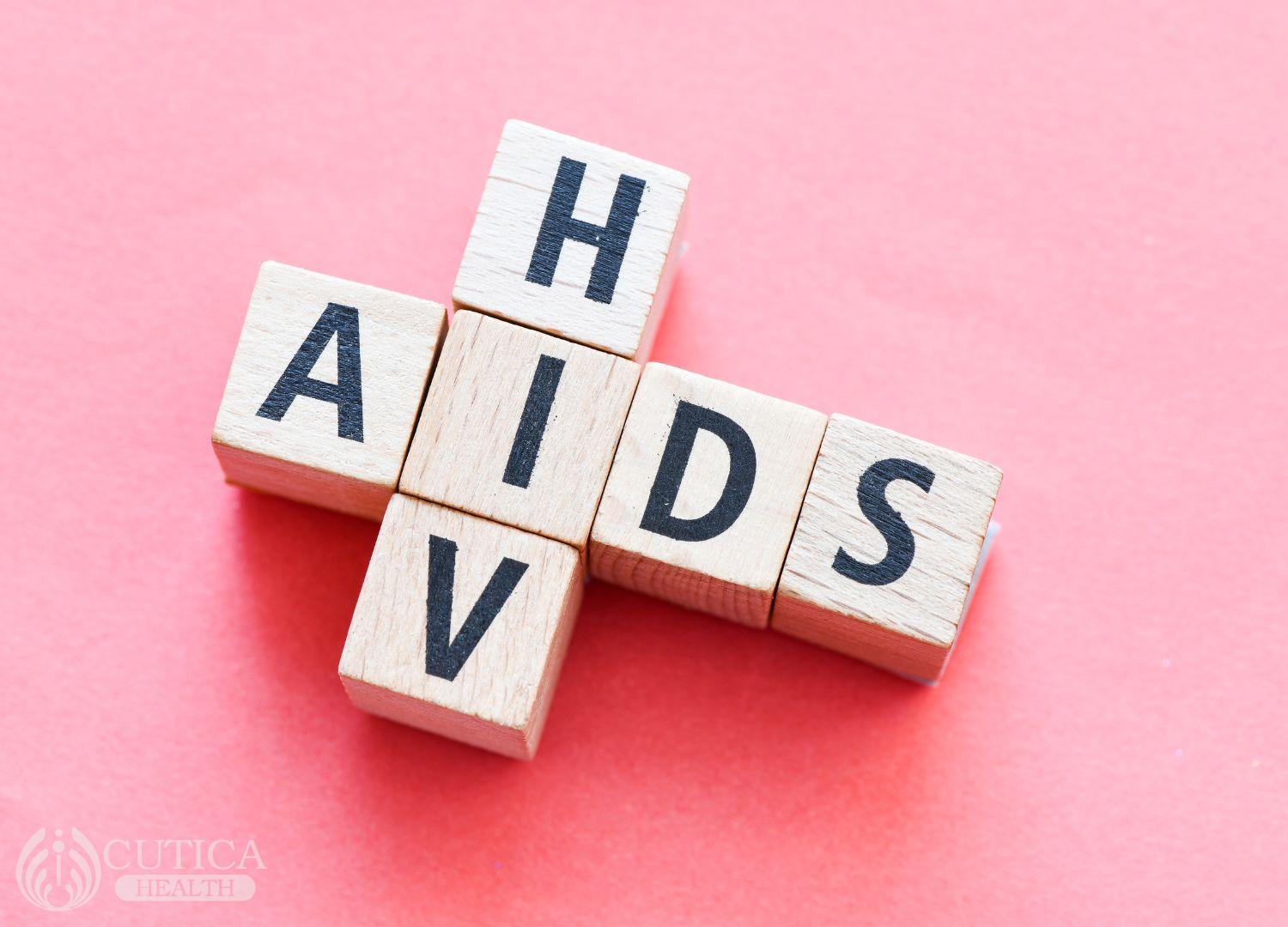
AIDS (Acquired Immunodeficiency Syndrome) is a disease caused by the human immunodeficiency virus (HIV), which weakens the immune system, making people more susceptible to infections like tuberculosis.  

Conversely, TB is an opportunistic infection that takes advantage of a weakened immune system. When a person has AIDS, their risk of developing TB increases dramatically. 

Symptoms of AIDS and Tuberculosis 

AIDS and tuberculosis have some similar symptoms. Emma experienced a persistent cough, night sweats, and weight loss. Both diseases can also cause fever, fatigue, and shortness of breath. These symptoms can initially be subtle but can become severe if left untreated. 

Diagnosis and Treatment 

Diagnosis of AIDS and tuberculosis involves a series of tests, including blood tests, chest X-rays, and sputum tests. It is essential to diagnose both diseases early to start treatment and prevent their spread.  

Treatment for AIDS and tuberculosis involves a combination of medications that must be taken for a long time. 

  1. Antiretroviral therapy (ART) is the primary treatment for AIDS. ART consists of a combination of medications that target HIV, slowing its progression and preventing further damage to the immune system. These medications must be taken daily; adherence to the treatment plan is crucial for effectiveness. 
  2. The treatment for tuberculosis involves a combination of antibiotics that must be taken for at least six months. The antibiotics work by killing the TB bacteria in the body. It is vital to complete the entire course of antibiotics to eliminate all the bacteria and prevent the development of drug-resistant strains. 

Treating both AIDS and tuberculosis simultaneously can be challenging as some medications may interact with each other, making it essential to consult a doctor before starting any treatment. People with both diseases may require additional support, such as counselling, to help them cope with the treatment's physical and emotional challenges.  

Prevention 

Preventing AIDS and tuberculosis involves: 

  • For AIDS, practice safe sex, be committed to antiretroviral therapy (if you already have HIV), and avoid sharing sharp personal items and toothbrushes. 
  • For TB, cover your mouth when you cough and avoid close contact with people who are sick and coughing. 
  • People with AIDS should get regular TB tests and staying up-to-date with their medications. 

The Impact of AIDS and Tuberculosis 

AIDS and tuberculosis are significant public health concerns, particularly in developing countries. According to reports, tuberculosis is one of the top ten causes of death worldwide. AIDS is also a significant cause of death, with over 38 million people living with HIV globally. 

The Intersection of AIDS and Tuberculosis 

AIDS and tuberculosis often intersect, with each disease making the other worse. TB is the leading cause of death among people with AIDS, and people with TB are more likely to develop AIDS. This intersection makes it essential to address both diseases together. 

Challenges in Combating AIDS and Tuberculosis 

Combating AIDS and tuberculosis presents many challenges. Both diseases are highly stigmatized, and many people may not seek testing or treatment out of fear of discrimination or ostracism.  

In addition, treatment for both diseases can be complex and require a long-term commitment, making it difficult for people to stay on track with their medications. 

The Importance of Awareness and Education 

Raising awareness about AIDS and tuberculosis is crucial in combating these diseases. Educating people about the importance of testing, treatment, and prevention can help reduce the stigma and encourage more people to seek help.  

Governments and healthcare organizations must also work together to ensure that testing and treatment are accessible to everyone who needs it. 

Conclusion 

AIDS and tuberculosis are deadly diseases that often intersect and worsen each other. Diagnosing both diseases early and starting treatment is essential to prevent their spread and improve outcomes.  

Practicing good hygiene and staying up-to-date with testing and medications can help prevent these diseases. Raising awareness about AIDS and tuberculosis is crucial in combating these diseases.