Categories
Uncategorized

Multi-Drug Resistant Tuberculosis

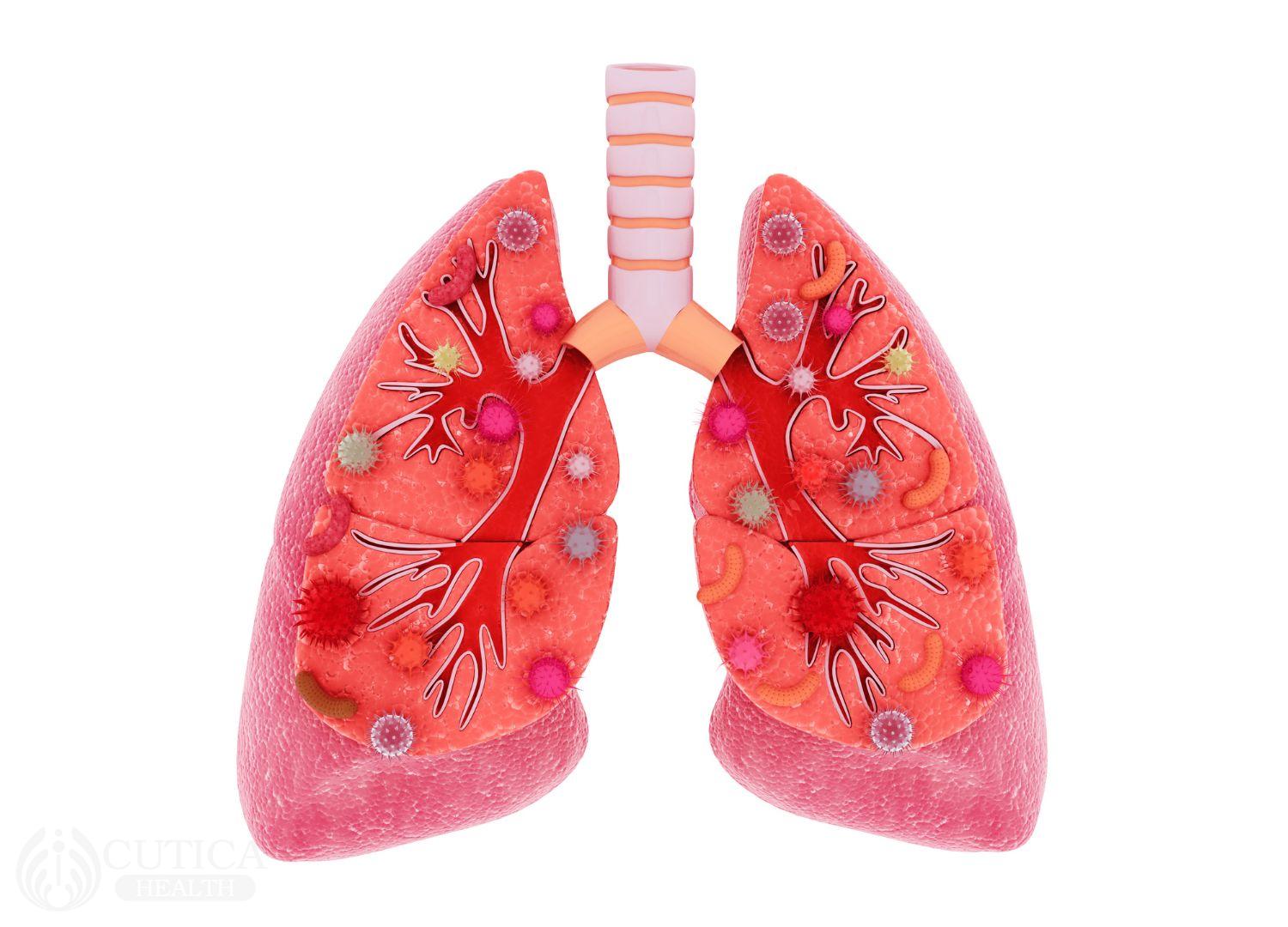
Tuberculosis is a bacterial infection that affects the lungs. It spreads through the air when an infected person coughs or sneezes. Multiple drug-resistant tuberculosis (MDR-TB) is a type of tuberculosis that is resistant to at least two of the most potent antibiotics used to treat tuberculosis – rifampicin and isoniazid. 

Causes of MDR-TB 

MDR-TB is caused by the same bacterium that causes tuberculosis, known as  Mycobacterium tuberculosis .  

Common reasons why TB becomes resistant to treatment include:  

  • Failure to correctly take a full course of TB treatment 
  • Inadequate prescription such as the wrong dose or duration of treatment 
  • Non availability of proper treatment 
  • Poor drug quality 

Treatment of MDR-TB 

While the symptoms of MDR-TB are like those of regular tuberculosis, treatment of MDR-TB is more complex than that of regular tuberculosis. It usually requires more drugs, and treatment can last up to two years.Side effects tend to be more severe. Patients must take their medication as prescribed and attend regular check-ups to ensure the treatment works. 

Prevention of MDR-TB 

The best way to prevent MDR-TB is to complete the full course of treatment for tuberculosis. This helps to prevent the bacteria from becoming resistant to the drugs used to treat it. People in contact with someone with tuberculosis should also be tested for the infection. 

Conclusion 

It is caused by a bacterium resistant to two of the most potent antibiotics used to treat tuberculosis. MDR-TB has symptoms like regular tuberculosis. The treatment of MDR-TB is more complex and can last up to two years with severe side effects. Prevention is vital, and completing the entire course of treatment for tuberculosis is the best way to prevent the development of MDR-TB. 

Categories
Uncategorized

Tackling the TB Pandemic

In a small village lived a boy named Kofi. Kofi had a persistent cough, fever, and weight loss, and despite being treated by the village herbalist, he remained ill. 

Kofi's parents, worried about his health, took him to the nearest health centre, where he was diagnosed with tuberculosis (TB). TB is a bacterial infection that primarily affects the lungs and can be fatal if left untreated. 

Kofi's case is not uncommon in many parts of the world, where TB remains a problem. According to reports, TB is one of the top ten causes of death worldwide. 

What is TB? 

TB is caused by a bacterium called  Mycobacterium tuberculosis and is transmitted through the air when an infected person coughs or sneezes. The bacteria can spread easily from person to person. 

Symptoms of TB 

TB can cause many symptoms, including: 

  • Coughing over three weeks 
  • Chest pain 
  • Coughing up blood or phlegm 
  • Fatigue 
  • Weight loss 
  • Fever

However, some people with TB may not show any symptoms and these symptoms do not often manifest until several years after contracting the bacterium, making it difficult to diagnose and treat. 

Preventing TB 

Prevention is vital to stopping the spread of TB. Measures such as improving living conditions, ensuring access to clean water and sanitation, and promoting good hygiene practices can reduce the risk of transmission. 

The Bacillus Calmette-Guerin (BCG) vaccine also prevents severe forms of TB, such as TB meningitis, in children. However, it is ineffective in preventing lung TB, the most common disease. 

Treating TB 

Treatment for TB involves taking a combination of antibiotics for six months or more, depending on the severity of the infection.  

However, many challenges hinder effective TB treatment. For example, TB is often misdiagnosed, leading to delayed treatment, and the emergence of drug-resistant TB strains is becoming increasingly common. 

Tackling the TB Pandemic 

To tackle the TB pandemic, a multi-pronged approach is necessary. This approach includes improving diagnosis and treatment, increasing access to care, and addressing social and economic factors contributing to disease spread. 

Improved Diagnosis and Treatment 

One of the main challenges in tackling TB is the lack of accurate and timely diagnosis. In many parts of the world, TB is still diagnosed through sputum microscopy, which is often inaccurate and can lead to missed cases or delayed treatment. 

However, new diagnostic tools such as GeneXpert and LAMP offer more accurate and faster TB diagnosis, leading to timely treatment initiation. These tools are handy in diagnosing drug-resistant TB, which can be more challenging to treat. 

Increasing Access to Care 

Access to TB care is another critical factor in tackling the TB pandemic. Many people living in poverty or remote areas may not have access to healthcare facilities, making diagnosing and treating TB difficult. 

Community-based care models that bring TB services closer to the people are necessary to increase access to TB care. These models involve training community health workers to provide TB diagnosis, treatment, and follow-up care in the community. 

Addressing Social and Economic Factors 

Social factors such as poverty, malnutrition, and poor living conditions increase the risk of TB transmission and can hinder effective TB treatment. Addressing these factors through poverty reduction, improving nutrition, and providing access to basic amenities can reduce the burden of TB. 

Conclusion 

Tackling the TB pandemic requires a concerted effort from all stakeholders, including governments, healthcare providers, and communities. Improved diagnosis and treatment, increasing access to care, and addressing social and economic factors are crucial in fighting TB.  

By working together, we can save countless lives. Let us all join hands and take action towards a TB-free world. 

Categories
Uncategorized

Ergonomics: The right office conditions for your health

The alarm went off, and Sarah woke up with a groan. She knew she had to get ready for work, but the pain in her back and neck made it hard to even get out of bed. Sarah had been experiencing this for a while now. But she attributed it to stress and the long hours she put in at work. However, today she decided to take action and figure out what was causing her discomfort.

What is Ergonomics?

Ergonomics studies how the physical environment affects people and their ability to work efficiently and safely. It is a critical aspect of workplace health and safety, and it is essential for employees to have the right office conditions for their health. Poor ergonomic conditions can lead to various health problems, including musculoskeletal disorders (MSDs), repetitive strain injuries (RSIs), and carpal tunnel syndrome.

The Benefits of Ergonomics

Ergonomics has many benefits for both employers and employees. For employers, ergonomic improvements can increase productivity, reduce absenteeism, and lower workers' compensation claims. For employees, ergonomics can reduce the risk of injury, improve comfort, and enhance job satisfaction.

Ergonomic Considerations for the Office

  1. Desk and Chair

The desk and chair are the most critical pieces of furniture in the office. A desk should be at the correct height, allowing the employee to work comfortably without having to slouch or strain. The chair should support the back's natural curve and be adjustable to the user's height. It should also have a comfortable seat that is not too hard or soft.

  1. Keyboard and Mouse

The keyboard and mouse are the most commonly used tools in the office. The keyboard should be at a height that allows the arms to rest at a comfortable angle, with the shoulders relaxed. The mouse should be positioned close to the keyboard, at the same height, and within easy reach.

  1. Monitor

The monitor should be positioned at the correct height and distance to avoid eye strain and neck pain. The top of the monitor should be at or slightly below eye level, and the monitor should be at arm's length from the user.

  1. Lighting

Lighting is essential in the office and can significantly impact productivity and employee health. Natural light is best, but if this is not possible, artificial lighting should be bright enough to prevent eye strain but not too bright to cause glare.

  1. Office Layout

The office layout should minimize the need for employees to move around excessively. Items used frequently should be within easy reach, and walkways should be clear of obstacles.


Ergonomic Tips for Employees

  1. Take Breaks

Sitting for prolonged periods can be harmful to health. Therefore, employees should take regular breaks to stand up, stretch, and move around. This will help to improve circulation and reduce the risk of musculoskeletal disorders.

  1. Exercise Regularly

Regular exercise can help to reduce the risk of injury and improve overall health. It can also help to relieve stress and improve mood. Employees should aim to exercise for at least 30 minutes each day.

  1. Maintain Good Posture

Good posture is essential to reduce the risk of injury and improve comfort. Employees should sit with their backs straight, shoulders relaxed, and feet flat on the floor.

  1. Use Proper Lifting Techniques

If your job involves lifting heavy objects, it is crucial to use proper lifting techniques. This will help to reduce the risk of back injuries. When lifting, bend at the knees, keep your back straight, and lift with your legs.

  1. Adjust Your Workspace

If you are experiencing discomfort in your workspace, take action to adjust it. For example, you may need to adjust your chair height, keyboard position, or monitor height. These small changes can make a big difference in your comfort level and reduce the risk of injury.

  1. Use Ergonomic Accessories

Many ergonomic accessories are available that can help improve comfort and reduce the risk of injury. For example, ergonomic keyboards, mousepads, and footrests can help reduce strain on the body.

  1. Stay Hydrated

Dehydration can cause fatigue, headaches, and other health problems. Drinking enough water throughout the day is essential to stay hydrated and to maintain good health.

Conclusion

By following ergonomic guidelines and tips, you can reduce the risk of injury and improve your overall health and well-being. Remember to take regular breaks, exercise, maintain good posture, use proper lifting techniques, adjust your workspace, use ergonomic accessories, and stay hydrated. With these simple steps, you can create a safe and comfortable working environment that promotes health and productivity.


Categories
Uncategorized

Inguinal Hernia: Causes and Treatments

The sharp pain in his groin woke Hassan up from his deep sleep. It was unbearable. He tried to ignore it and returned to sleep, thinking it was just a muscle cramp. However, the pain persisted, and soon he realized it was not just a simple cramp. He immediately sought medical attention and was diagnosed with an inguinal hernia. He had no idea what it was or how he got it, but he knew he needed treatment.

Introduction

Inguinal hernia is a common condition where tissue protrudes through a weak spot in the lower abdominal (groin) muscles. It primarily affects men and is causes a bulge in the groin area, which can be painful and uncomfortable. 

Causes of Inguinal Hernia

An inguinal hernia occurs when there is a weakness in the abdominal muscles. The following are the common causes of inguinal hernia:

  1. Age

As we age, our muscles weaken, and the risk of developing inguinal hernia increases. Men over 50 are more likely to develop an inguinal hernia than younger men.

  1. Chronic coughing

Chronic cough can cause strain on the abdominal muscles, which can lead to an inguinal hernia. This is common among smokers and people with chronic lung disease.

  1. Pregnancy

Pregnancy can also increase the risk of inguinal hernia. The pressure on the abdomen during pregnancy can cause the abdominal and groin muscles to weaken.

  1. Heavy lifting

Heavy lifting or strenuous physical activities that require using the abdominal muscles can cause an inguinal hernia.

Symptoms of Inguinal Hernia

The most common symptom of an inguinal hernia is a bulge in the groin area. Other symptoms include:

  • Pain or discomfort in the groin area, especially when lifting or bending over.
  • A feeling of heaviness or pressure in the groin area.
  • Swelling or enlargement of the scrotum in men.
  • Aching or burning sensation in the affected area.

You should seek medical attention immediately if you experience any of these symptoms.

Diagnosis of Inguinal Hernia

Inguinal hernia can be diagnosed through physical examination and imaging tests such as ultrasound, MRI, or CT scan. During the physical examination, the doctor will ask you to cough or strain, making the bulge more visible. Imaging tests will help to confirm the diagnosis and determine the severity of the hernia.

Treatment of Inguinal Hernia

Inguinal hernia requires medical attention, and various treatment options are available depending on the severity of the condition.

  1. Watchful waiting

An inguinal hernia that is not causing any symptoms may not require treatment. The doctor may advise you to monitor the hernia and seek medical attention if it becomes painful or uncomfortable.

  1. Lifestyle changes

Making lifestyle changes such as avoiding heavy lifting, quitting smoking, and losing weight can help prevent the hernia from worsening.

  1. Hernia truss

A hernia truss is a supportive undergarment that can help to reduce the bulge and relieve the pain associated with an inguinal hernia.

  1. SurgerySurgery is the most effective treatment for inguinal hernia. It involves pushing the protruding tissue back into the abdomen and strengthening the weakened abdominal muscles. There are two types of hernia surgery: open surgery and laparoscopic surgery.

Open surgery involves making a large incision in the groin area and using sutures or mesh to repair the hernia. On the other hand, laparoscopic surgery involves making small incisions and using a camera and specialized instruments to repair the hernia. Both types of surgery are effective, but laparoscopic surgery has a faster recovery time and less scarring.

Inguinal hernia surgery is usually done on an outpatient basis and under general anesthesia. After surgery, the patient may experience pain, swelling, and bruising in the groin area, but these symptoms usually subside within a few weeks. Recovery time may vary from person to person, but most people can resume normal activities within a few weeks.

Complications of Inguinal Hernia

If left untreated, an inguinal hernia can lead to severe complications such as strangulation and obstruction. Strangulation occurs when the tissue protruding through the hernia becomes trapped, and the blood supply is cut off, leading to tissue death. Obstruction occurs when the hernia blocks the bowel, leading to severe pain, nausea, and vomiting. These complications require immediate medical attention and may require emergency surgery.

Prevention of Inguinal Hernia

Although one can't completely prevent inguinal hernia, there are some steps you can take to reduce your risk:

  • Maintain a healthy weight.
  • Avoid heavy lifting.
  • Quit smoking.
  • Treat chronic cough or respiratory conditions.
  • Avoid straining during bowel movements.
Categories
Uncategorized

Salt and High Blood Pressure

Pelumi, a 55-year-old mother of two, was in the middle of her morning yoga routine when she suddenly felt dizzy and weak. She couldn't hold her balance and fell to the ground. Her husband rushed her to the hospital, where doctors diagnosed her with high blood pressure. Pelumi had always been health-conscious, followed a balanced diet, and exercised regularly. Still, she had no idea that her love for salty snacks and processed food had silently pushed her toward a dangerous health condition. 

High blood pressure, also known as hypertension, that puts an extra strain on the heart, increasing the risk of heart attacks, strokes, kidney damage, and other diseases.According to the World Health Organization, hypertension affects around 1.13 billion people worldwide.  

While salt, or sodium chloride, is a crucial mineral that regulates the body's fluid balance, nerve transmission, and muscle function, excessive salt intake has been identified as a significant contributor to high blood pressure. 

The Salt-High Blood Pressure Connection 

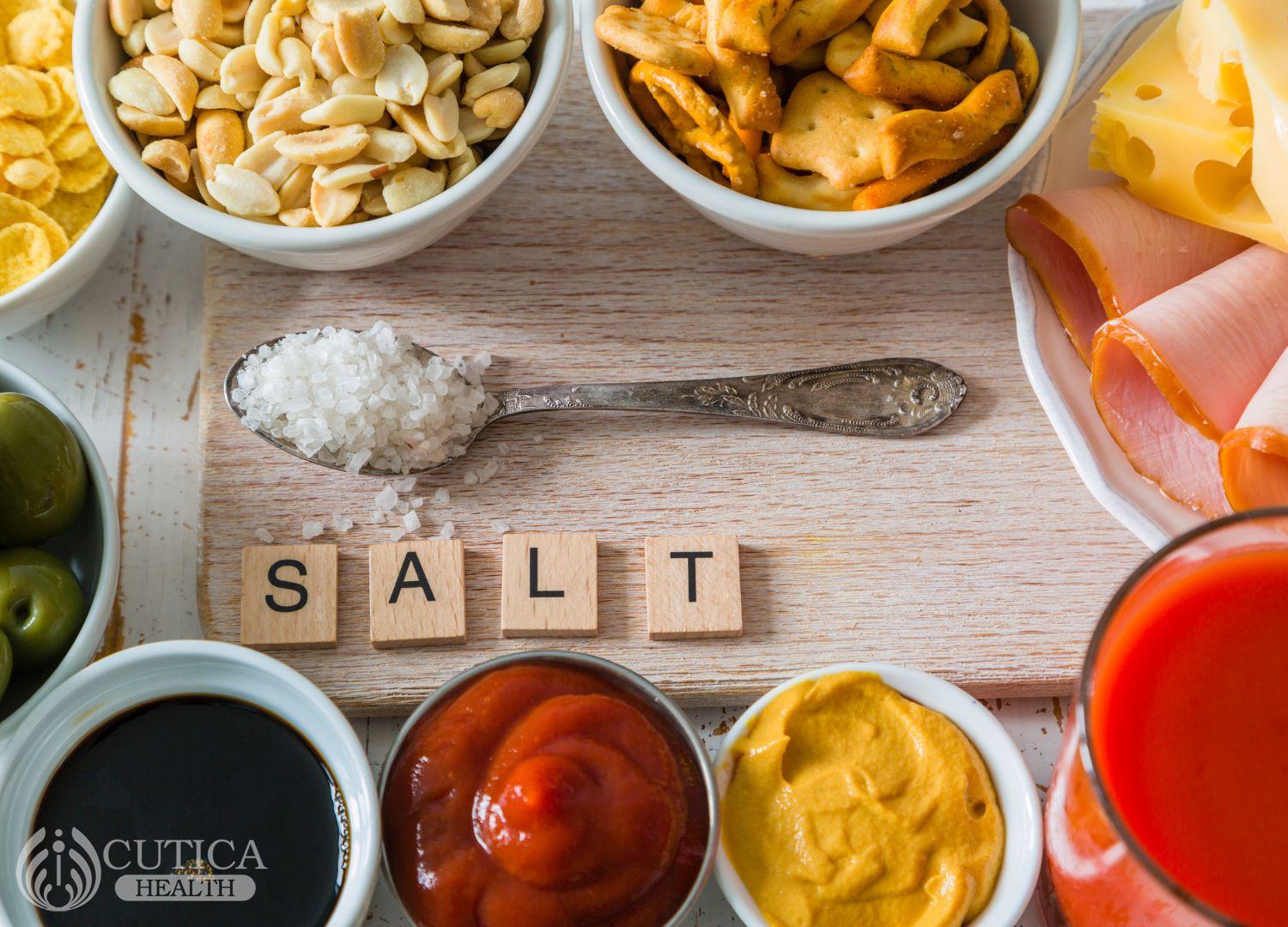
Salt is a usual ingredient in the modern diet and is present in almost every food we eat. Salt is added to enhance the taste, texture, and for preservation of processed foods, snacks, and beverages.  

Additionally, salt is naturally present in foods like cheese, cured meats, and canned products. While the body needs a certain amount of sodium to function properly, excess intake can cause the blood volume to increase, which raises blood pressure. 

Experts recommend a daily sodium intake of 2,300 milligrams (mg) for adults, about one teaspoon of salt. For people with hypertension, diabetes, or chronic kidney disease, the recommendation is even lower, at 1,500 mg per day.  

However, most people take well above the recommended levels. This excess sodium intake can be attributed to a combination of factors, including eating out, processed food consumption, and adding salt during cooking or at the table. 

Reducing Salt Intake for Blood Pressure Control 

Reducing salt intake can significantly lower blood pressure and reduce the risk of hypertension-related complications. The good news is that small changes in diet and lifestyle can substantially improve blood pressure levels. Here are some strategies to reduce salt intake and manage blood pressure: 

Read Food Labels 

Food labels provide valuable information about the sodium content of packaged foods. Look for products that are low in sodium or have no added salt. Be wary of products that claim to be "low-sodium" but still contain high salt levels. 

Cook from Scratch 

Cooking from scratch allows you to control the amount of salt in your meals. Use herbs, spices, and citrus juices to flavour your food instead of salt. Try recipes that use salt-free seasonings, or make your spice blends at home. 

Eat Fresh Fruits and Vegetables 

Fresh fruits and vegetables are naturally low in sodium and high in potassium, which can counteract the adverse effects of sodium on blood pressure. Aim to include at least five servings of fruits and vegetables in your diet every day. 

Limit Processed Foods 

Processed foods are often high in sodium, even if they don't taste salty. Avoid canned soups, snacks, frozen meals, and other packaged products that contain added salt. Opt for fresh or frozen fruits and vegetables, whole grains, and lean proteins instead. 

Choose Low-Sodium Alternatives 

When grocery shopping, look for low-sodium alternatives to your favourite foods. Some options include: 

  • Low-sodium soups and broths 
  • Reduced-sodium deli meats and cheeses 
  • No-salt-added canned vegetables and beans 
  • Low-sodium bread and crackers 
  • Salt-free seasoning blends 
  • Be Mindful of Restaurant Meals 

Eating out can be challenging when trying to manage salt intake. Many restaurant meals are high in sodium, so checking nutritional information before ordering is essential. Ask for sauces, dressings, and condiments on the side, and request that the chef prepares your meal with no added salt. 

Take it Slow 

Reducing salt intake can be challenging, especially if you're used to a salty diet. Start by gradually cutting back on salt; your taste buds will adjust over time. Experiment with different herbs and spices to find new flavours that you enjoy. 

Monitor Blood Pressure Regularly 

If you have high blood pressure or are at risk of developing it, monitoring it is essential. Home blood pressure monitors are affordable and easy to use. Check your blood pressure as your doctor recommends and make necessary changes to your lifestyle or medication as needed. 

Conclusion 

High blood pressure is a silent killer that affects millions of people worldwide. Salt reduction is an effective strategy to manage blood pressure and reduce the risk of hypertension-related complications.  

By making simple changes to our diet and lifestyle, we can take control of our health and reduce our reliance on medication. Reducing salt intake is a long-term solution that offers multiple benefits, including improved kidney function, and reduced stroke and heart disease risk. Remember, a little salt goes a long way, so take it slow and savour the flavour of healthy living. 

Categories
Uncategorized

Alcohol and your Kidneys

It was a beautiful day, and everything was going as planned for the family of five. The eldest daughter, Ngozi, had just graduated from college with a degree in medicine, and they were all in high spirits. After the ceremony, they celebrated at a restaurant where they had their favourite food, wine, and music. However, things took a turn when Ngozi’'s father started experiencing excruciating pain on his right side. After a few hours at the hospital, the diagnosis was acute kidney injury. The doctors attributed it to his long history of heavy drinking.

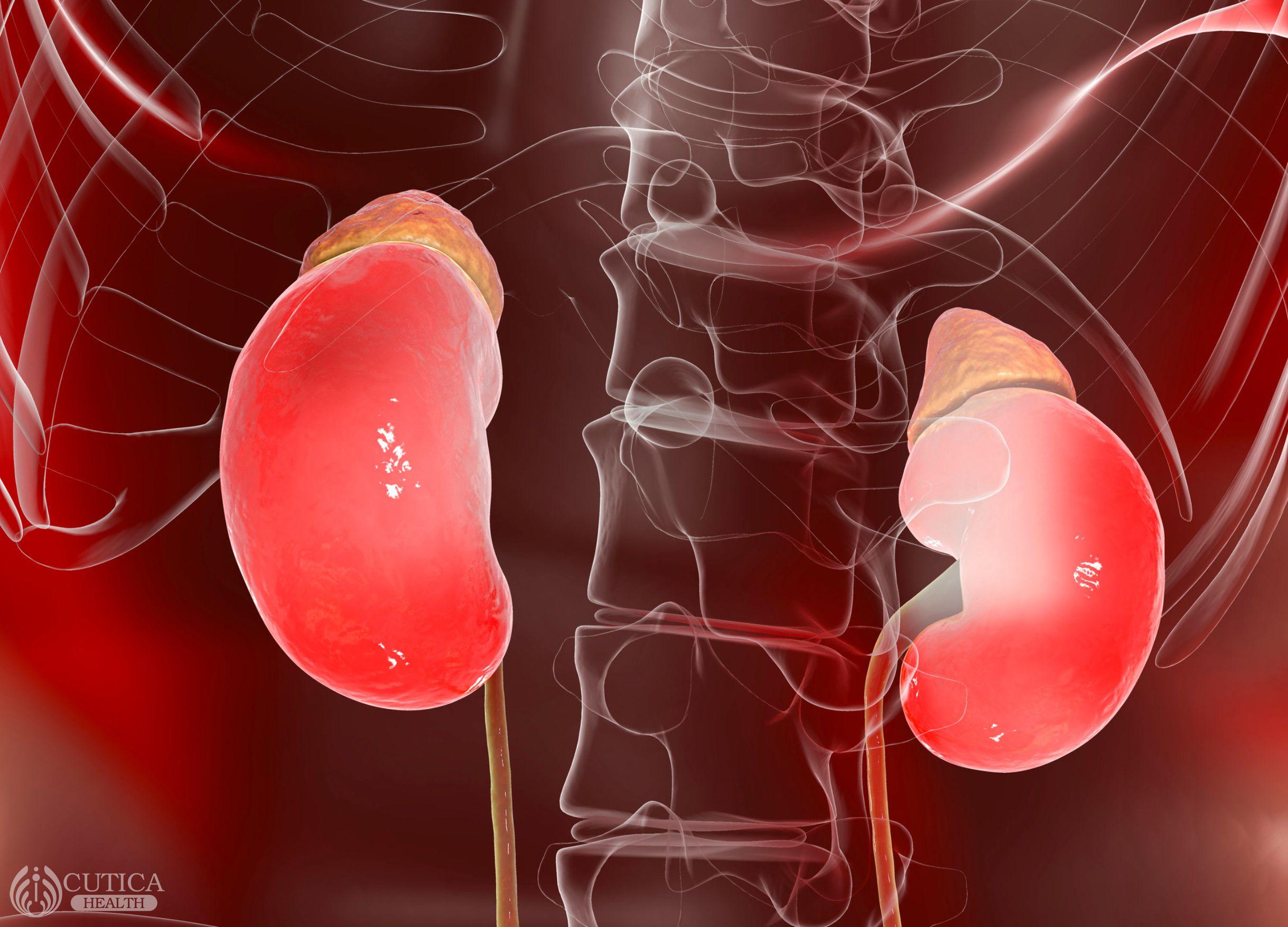
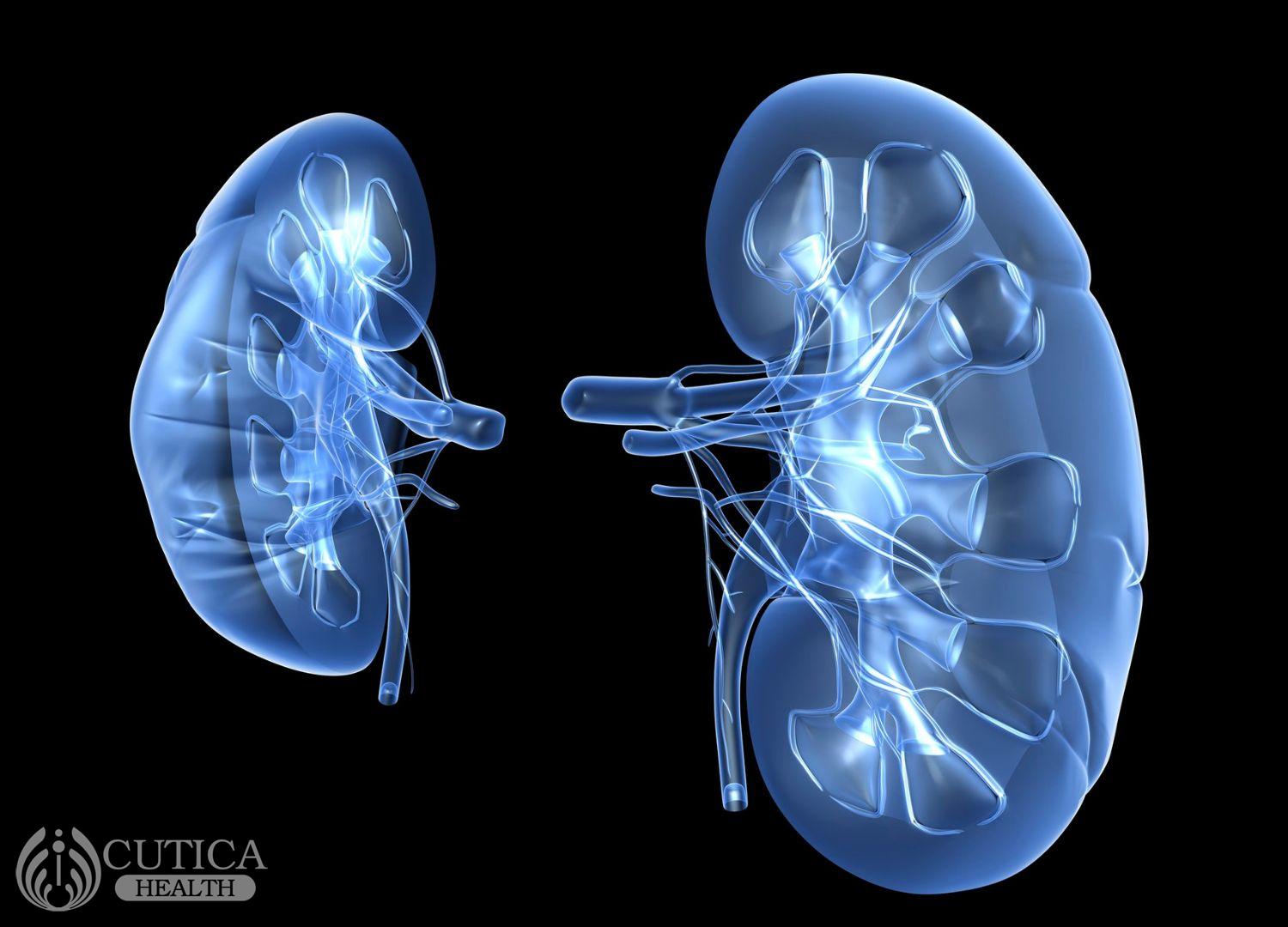
Alcohol consumption is a common practice worldwide and legal in most countries. However, excessive alcohol intake can lead to several health complications, including kidney problems. Kidneys are a vital part of the body's filtration system, and their primary function is to remove waste products and excess fluids from the blood. When they fail to function correctly, the body's waste products accumulate, leading to serious health complications.

Effects of alcohol on kidneys

Alcohol has several effects on the kidneys. First, it is a diuretic, meaning that it increases urine production. Increased urine production leads to dehydration, which, in turn, can lead to kidney damage. 

Second, alcohol consumption raises blood pressure levels, which strains the kidneys. Prolonged exposure to high blood pressure can damage the kidneys, leading to kidney disease.

Third, alcohol consumption can interfere with the kidneys' ability to filter waste products from the blood. The liver metabolizes alcohol, producing toxic byproducts such as acetaldehyde, which can damage the kidneys. Additionally, alcohol consumption can lead to the accumulation of uric acid, which can cause gout and kidney stones.

Symptoms of kidney damage

Kidney damage often goes unnoticed until it has reached an advanced stage. However, some symptoms may indicate that the kidneys are not functioning correctly. These include:

  • Blood in urine
  • Swelling in the legs, ankles, feet, or face
  • Fatigue
  • Shortness of breath
  • High blood pressure
  • Nausea and vomiting
  • Loss of appetite
  • Difficulty sleeping
  • Muscle cramps

Prevention and treatment of kidney damage

Preventing kidney damage from alcohol consumption involves reducing or eliminating alcohol intake. This can help prevent the accumulation of toxins in the body, which can lead to kidney damage. Maintaining a healthy diet and staying hydrated can also help reduce the risk of kidney damage.

In cases where kidney damage has already occurred, treatment options vary depending on the severity of the condition. Mild cases may require lifestyle changes, such as reducing alcohol intake and following a healthy diet. More severe cases may require medication or dialysis to filter waste products from the blood.

Conclusion

Alcohol consumption can severely affect the kidneys, leading to kidney damage and disease. It is essential to practice responsible alcohol consumption and seek medical attention when symptoms of kidney damage are noticed. 

Prevention is the best way to avoid alcohol-related kidney damage, and it involves reducing or eliminating alcohol intake and adopting a healthy lifestyle. Remember, your kidneys are vital organs that play a significant role in keeping your body healthy. Take care of them, and they will take care of you.

Categories
Uncategorized

Diabetes and your Kidneys

Mrs. Akere had been living with diabetes for over ten years. She always had diligently managed her blood sugar levels, but lately, she had been experiencing some unusual symptoms. She felt fatigued constantly, her appetite had decreased, and she urinated more frequently. She knew these were symptoms of diabetes, but what she didn't realize was that her kidneys were being affected.

Diabetes is a leading cause of kidney failure. This means that if you have diabetes, you are at a higher risk of developing kidney disease, which can be a silent killer.

What is Diabetes?

Diabetes is a chronic disease that affects how your body processes blood sugar (glucose). Glucose is an essential energy source for your body's cells, but when your body can't use it properly, it can cause damage to your organs, including your kidneys.

The Link between Diabetes and Kidneys

The kidneys filter waste and excess fluid from your blood, which is eliminated through urine. High blood sugar levels can damage the blood vessels in the kidneys, making it harder for them to filter waste and fluid. Over time, this damage can progress to kidney failure, where the kidneys can no longer function, and dialysis or a kidney transplant is needed to sustain life.

Symptoms of Kidney Disease

Kidney disease often has no symptoms in its early stages, making it difficult to detect. However, as the disease progresses, you may experience the following symptoms:

  1. Fatigue and weakness
  2. Loss of appetite
  3. Swelling in the hands, feet, and ankles
  4. Changes in urination (frequency, colour, and amount)
  5. Nausea and vomiting
  6. Itching and dry skin
  7. Shortness of breath
  8. High blood pressure

If you have diabetes, you must monitor your blood sugar levels and check your kidney function regularly.

Prevention and Management

The good news is that you can prevent kidney disease by managing your blood sugar levels and adopting a healthy lifestyle. Here are some tips:

  1. Keep your blood sugar levels under control. This means monitoring your blood sugar regularly and following your doctor's recommended treatment plan.
  2. Control your blood pressure. High blood pressure can cause damage to your kidneys, so it is essential to keep it under control. You can do this by eating a healthy diet, exercising regularly, and taking medication if prescribed.
  3. Maintain a healthy weight. Being overweight can increase your risk of developing diabetes and kidney disease. Adopting a healthy diet and exercising can help you maintain a healthy weight.
  4. Quit smoking. Smoking can cause damage to your blood vessels, increasing your risk of kidney disease. Quitting smoking can improve your overall health and reduce your risk of developing kidney disease.
  5. Limit your alcohol consumption. Drinking too much alcohol can damage your kidneys and increase your blood pressure. It's essential to limit your alcohol consumption and drink in moderation.

Conclusion

Many people living with diabetes are unaware of the impact it can have on their kidneys. 

If you are living with diabetes, checking your kidney function regularly is essential, even if you feel fine. Early detection of kidney disease can help prevent it from progressing to kidney failure, which can be life-threatening.

By managing your blood sugar levels, controlling your blood pressure, maintaining a healthy weight, quitting smoking, and limiting alcohol consumption, you can protect your kidney health.

Categories
Uncategorized

Hip pain in Sickle Cell Anaemia

Jade lay on her bed, clutching her right hip in agony. She had been experiencing severe pain in her hip for the past few days, and no amount of painkillers seemed to provide relief. Jade had sickle cell anemia, and it was not her first time experiencing this pain. She knew sickle cell anemia could cause hip pain and worried it might be more serious this time.

Sickle Cell Anemia: An Overview

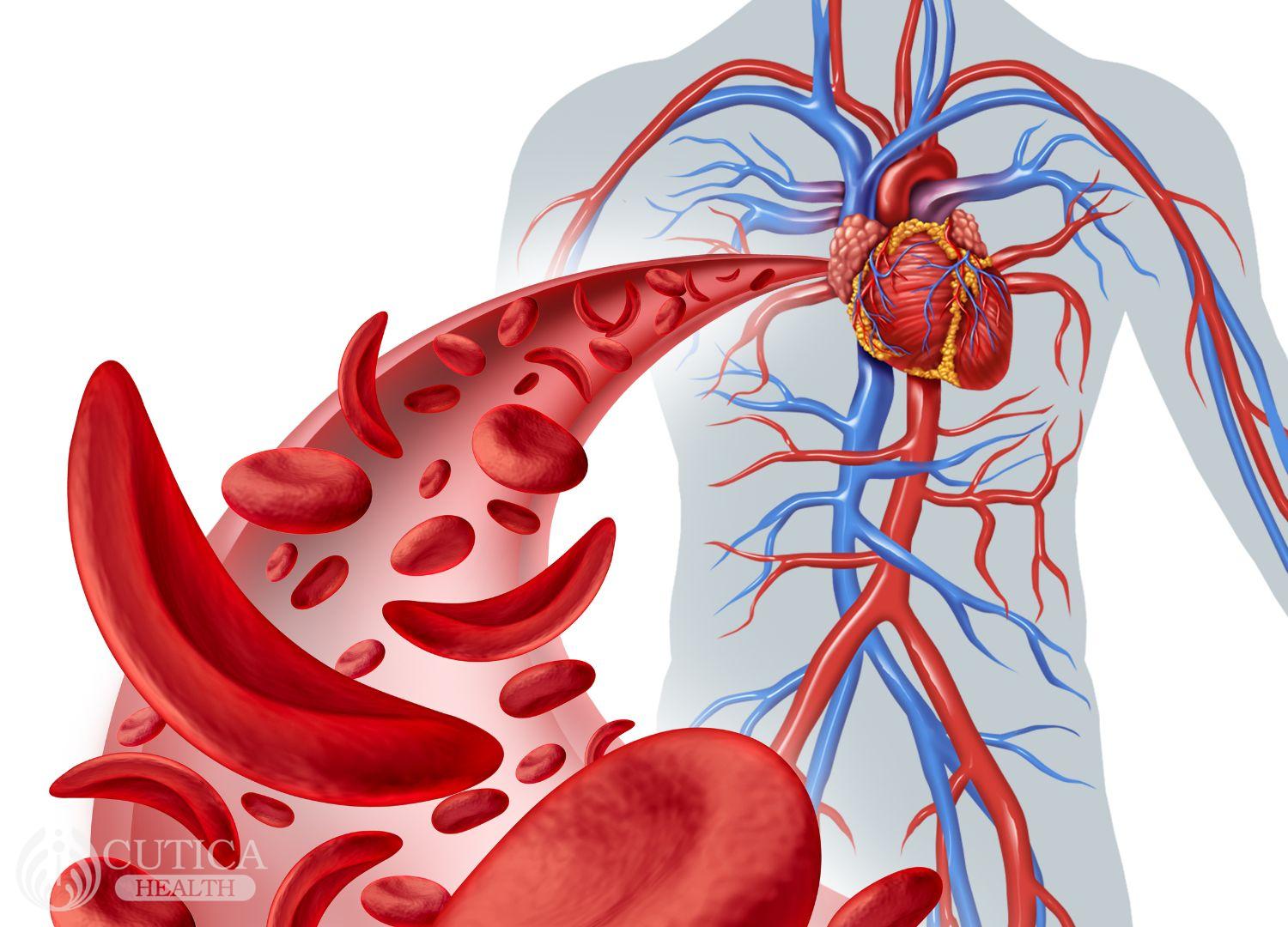
Sickle cell anemia is an inherited blood disorder that affects red blood cells. People with sickle cell anemia have abnormal hemoglobin, a protein in red blood cells that carries oxygen throughout the body. 

The abnormal hemoglobin causes the red blood cells to become abnormally shaped and rigid, resembling a sickle or crescent moon. These abnormal red blood cells can get stuck in small blood vessels, causing blockages that reduce blood flow and oxygen to the affected area. This can cause various symptoms, including pain, anemia, organ damage, and stroke.

Hip Pain in Sickle Cell Anemia: Causes and Symptoms

Hip pain is a common complication of sickle cell anemia. The hip joint is a ball-and-socket joint that connects the thigh bone to the pelvis. 

The hip joint is susceptible to damage in people with sickle cell anemia due to a lack of blood flow and oxygen to the area. Over time, this lack of blood flow can cause damage to the bones and joints in the hip, leading to chronic pain and arthritis.

The symptoms of hip pain in sickle cell anemia can range from mild discomfort to severe pain. Some people may experience pain only during physical activity or after prolonged periods of sitting or standing. Others may experience constant pain that limits their ability to perform daily activities. Hip pain may also be accompanied by swelling, stiffness, and limited range of motion in the hip joint.

Diagnosing Hip Pain in Sickle Cell Anemia

If you are experiencing hip pain and have sickle cell anemia, it is vital to seek medical attention. Your doctor will perform a physical exam and may order imaging tests such as X-rays, CT scans, or MRI to evaluate the hip joint and surrounding structures. These tests can help your doctor determine the underlying cause of your hip pain and develop an appropriate treatment plan.

Treating Hip Pain in Sickle Cell Anemia

Treatment for hip pain in sickle cell anemia will depend on the underlying cause and severity. Patients may manage mild pain with over-the-counter pain relievers such as acetaminophen or ibuprofen. Your doctor may also recommend physical therapy or exercise to help improve hip joint flexibility and strength.

For more severe hip pain, your doctor may prescribe stronger pain medications, such as opioids, to help manage pain. Surgery may sometimes be necessary to repair or replace damaged hip joints.

Preventing Hip Pain in Sickle Cell Anemia

While it may not be possible to prevent hip pain in sickle cell anemia entirely, there are steps you can take to reduce your risk of developing hip complications. These include:

  1. Staying hydrated: Drinking fluids can help keep your blood flowing smoothly and reduce the risk of blood clots.
  2. Managing pain: Taking pain medications as directed can help prevent pain from becoming severe and limit the risk of complications.
  3. Exercising regularly: Regular exercise can help improve joint mobility and strength, reducing the risk of joint damage and pain.
  4. Avoiding triggers: Certain activities or situations, such as extreme temperatures or high altitudes, can trigger sickle cell pain episodes. Avoiding these triggers can help reduce the risk of pain episodes.
  5. Seeking regular medical care: Regular check-ups with your doctor and staying up-to-date with recommended screenings and vaccinations can help detect and prevent complications of sickle cell anemia, including hip pain.

Living with Hip Pain in Sickle Cell Anemia

Hip pain can significantly impact a person's quality of life, particularly in people with sickle cell anemia, who may experience pain and other complications from the disorder. Working closely with your healthcare provider to manage your hip pain effectively and prevent further complications is essential.

In addition to medical treatment, self-care techniques such as rest, ice, heat therapy, and gentle stretching exercises can help manage hip pain in sickle cell anemia. Maintaining a healthy lifestyle, including a nutritious diet, regular exercise, and stress management techniques, is also essential.

Conclusion

Hip pain is a common complication of sickle cell anemia, affecting many people with the disorder. By understanding the causes and symptoms of hip pain in sickle cell anemia, seeking appropriate medical care, and preventing complications, people with sickle cell anemia can effectively manage their hip pain and improve their overall quality of life.


Categories
Uncategorized

Scorpion Bites: Types and Treatments

As the sun set on the desert, Amina returned to her home. She was tired and thirsty after a long day at work. Amina took off her shoes and relaxed on the bench, enjoying the cool air. Suddenly, she felt a sharp pain in her foot and screamed in agony. She looked down and saw a small scorpion scurrying away. She had been bitten.

Scorpions

Scorpions are found in various parts of the world, including deserts, forests, and grasslands. There are over 2,000 different species of scorpions, but only about 30 are considered dangerous to humans. The venom from these scorpions can cause symptoms from mild pain and swelling to more severe reactions, such as respiratory distress and paralysis.

Symptoms experienced after a Scorpion Bite

The symptoms of a scorpion bite can vary depending on the scorpion type, and the amount of venom injected. In general, a scorpion sting will cause immediate pain and swelling at the site of the bite. Other symptoms may include:

  • Numbness or tingling 
  • Muscle twitching or spasms
  • Sweating
  • Difficulty breathing
  • Increased heart rate
  • High blood pressure

Types of Scorpion Bites

Scorpion bites are common in many parts of the world, particularly in regions with warm climates. While most scorpion bites are not life-threatening, some bites can cause severe symptoms, especially in children, the elderly, and people with weakened immune systems. 

Generally, scorpion bites can be classified into three categories:

  1. Mild Bites: Mild scorpion bites usually cause localized pain, redness, and swelling at the site of the sting. These symptoms typically last a few hours and can be treated with over-the-counter pain relievers, such as ibuprofen or acetaminophen.
  2. Moderate Bites: Moderate scorpion bites can cause more severe symptoms, such as muscle spasms, nausea, vomiting, and difficulty breathing. These symptoms can last several hours or days and may require medical attention.
  3. Severe Bites: Severe scorpion bites can cause life-threatening symptoms, such as convulsions, seizures, coma, and respiratory failure. These symptoms require immediate medical attention.

Treatment of Scorpion Bites

The treatment of scorpion bites depends on the severity of the symptoms. For mild bites, you can use the following home remedies:

  • Clean the bite site with soap and water.
  • Apply a cold compress to the affected area to reduce pain and swelling.
  • Elevate the affected limb to reduce swelling.
  • Take over-the-counter pain relievers, such as ibuprofen or acetaminophen.

For moderate bites, medical attention is required. The following treatments may be administered:

  • Antivenom: Antivenom is a serum that contains antibodies that neutralize scorpion venom. It is usually administered intravenously and effectively reduces the severity of the symptoms.
  • Pain Medication: Pain medication, such as opioids or nonsteroidal anti-inflammatory drugs (NSAIDs), may be given to reduce pain and discomfort.
  • Muscle Relaxants: Muscle relaxants, such as benzodiazepines or baclofen, may be given to reduce muscle spasms.

For severe bites, immediate medical attention is required. The following treatments may be administered:

  • Supportive Care: Supportive care, such as oxygen therapy, mechanical ventilation, and intravenous fluids, may be required to stabilize the patient's vital signs.
  • Antivenom: Antivenom is essential in treating severe scorpion bites and should be administered immediately.
  • Benzodiazepines: Benzodiazepines treat convulsions and seizures that may result from severe scorpion bites.

Prevention of Scorpion Bites 

Preventing scorpion bites is vital in avoiding potentially life-threatening symptoms. You can take the following measures to minimize the risk of being bitten by a scorpion:

  1. Wear protective clothing such as gloves and boots when working or hiking in areas where scorpions are common.
  2. Shake out clothing and shoes before putting them on.
  3. Seal cracks and crevices in homes to prevent scorpions from entering.
  4. Use caution when reaching dark places such as closets, attics, or crawl spaces.

Conclusion

Scorpion bites can be a painful and potentially dangerous experience, but with the proper treatment, most people will fully recover. If a scorpion bites you, it is crucial to seek medical attention. 


Categories
Uncategorized

Food Chemicals and Cancer

Sophie is a 40-year-old mother of two diagnosed with breast cancer last year. She was health-conscious and always ensured her family consumed nutritious food. Sophie was devastated by the news of her diagnosis and couldn't understand how this happened. She had always tried to avoid consuming junk food and other unhealthy foods. However, she didn't know that several food chemicals are known to cause cancer.

What are Food Chemicals?

Food chemicals are substances added to food to improve its taste, texture, color, and shelf life. They include additives, preservatives, flavor enhancers, and artificial sweeteners. Today's most common food chemicals include BHA, nitrates and nitrites.

The Link between Food Chemicals and Cancer

Several studies have shown a direct link between food chemicals and cancer. These chemicals can cause genetic mutations, disrupt hormone production, and damage cells, leading to cancer.

BHA

BHA (butylated hydroxyanisole) is a food preservative in food processing. It is used to prevent fats and oils in food from going stale. However, studies have shown that the preservative can cause cancer in laboratory animals. The International Agency for Research on Cancer (IARC) has classified BHA as a possible human carcinogen.

Nitrates

Nitrates are another preservative commonly used in processed meats, such as hot dogs, bacon, and sausages. They are used to give meat products a pink color and prevent bacteria growth; however, when heated, nitrates can form nitrosamines, which are have been associated with cancer risk.

Artificial Sweeteners

Artificial sweeteners such as aspartame, saccharin, and sucralose are commonly used as sugar substitutes. They are often used in "diet" or "low-calorie" foods and drinks. While they may seem like a healthy alternative to sugar, studies have shown they can cause cancer in laboratory animals. However, the evidence in humans is still inconclusive.

Pesticides

Pesticides are chemicals used to kill insects, weeds, and other pests. They are commonly used in farming to increase crop yields. However, pesticides can also be found in fruits and vegetables, even after they have been washed. Studies have shown that exposure to pesticides can increase the risk of cancer.

What Can You Do?

While it's impossible to avoid food chemicals altogether, there are several steps you can take to reduce your exposure.

  • Read Food Labels: Be sure to read the labels of the foods you buy. Look for foods free from preservatives, additives, and artificial sweeteners.
  • Eat Fresh Foods: Eat fresh fruits, vegetables, and whole grains. These foods are less likely to contain food chemicals.
  • Choose Organic: Organic foods are grown without pesticides and other chemicals. Choosing organic foods can reduce your exposure to harmful chemicals.
  • Cook at Home: Cooking at home allows you to control the ingredients in your food. You can choose to use fresh ingredients and avoid processed foods.
  • Avoid Processed Meats: Processed meats such as hot dogs, bacon, and sausages contain nitrates. Choose fresh meats instead.

Conclusion

Sophie's story highlights the importance of being aware of the food we consume. While we can't eliminate all food chemicals from our diets, we can reduce our exposure. We can reduce our cancer risk by reading food labels, eating fresh foods, choosing organic, cooking at home, and avoiding processed meats. 

It's also important to remember that cancer is a complex disease with many causes. While food chemicals may contribute to the development of cancer, there are also other risk factors such as genetics, lifestyle, and environmental factors.

It's essential to have a balanced diet and be mindful of the foods we consume. We should eat various nutrient-dense foods such as fruits, vegetables, whole grains, lean proteins, and healthy fats. This will help reduce cancer risk and improve our overall health and well-being.

In addition to making dietary changes, it's also essential to have regular health check-ups and cancer screenings. This can help to detect cancer early when it's more treatable.

Finally, it's important to remember that everyone's body is different, and what works for one person may not work for another. If you have concerns about your diet or cancer risk, you must talk to your doctor or a registered dietitian who can provide personalized advice and support.