Categories
Uncategorized

River Blindness

Ada, a young girl from a small village in Nigeria, was always fascinated by the beauty of nature. She loved spending her days exploring the lush green forests surrounding her home, admiring the crystal-clear waters of the nearby river. But one day, Ada noticed a strange itching sensation in her eyes, and soon enough, she found herself losing her vision, little by little. She was eventually diagnosed with river blindness, a disease caused by the bite of black flies that breed near rivers and streams.

Introduction

River blindness, also known as onchocerciasis, is a parasitic infection affecting millions worldwide. It is caused by the bite of black flies that breed near fast-flowing rivers and streams, hence the name 'river blindness.' River blindness is one of the leading causes of preventable blindness, predominantly affecting people in sub-Saharan Africa.

Symptoms

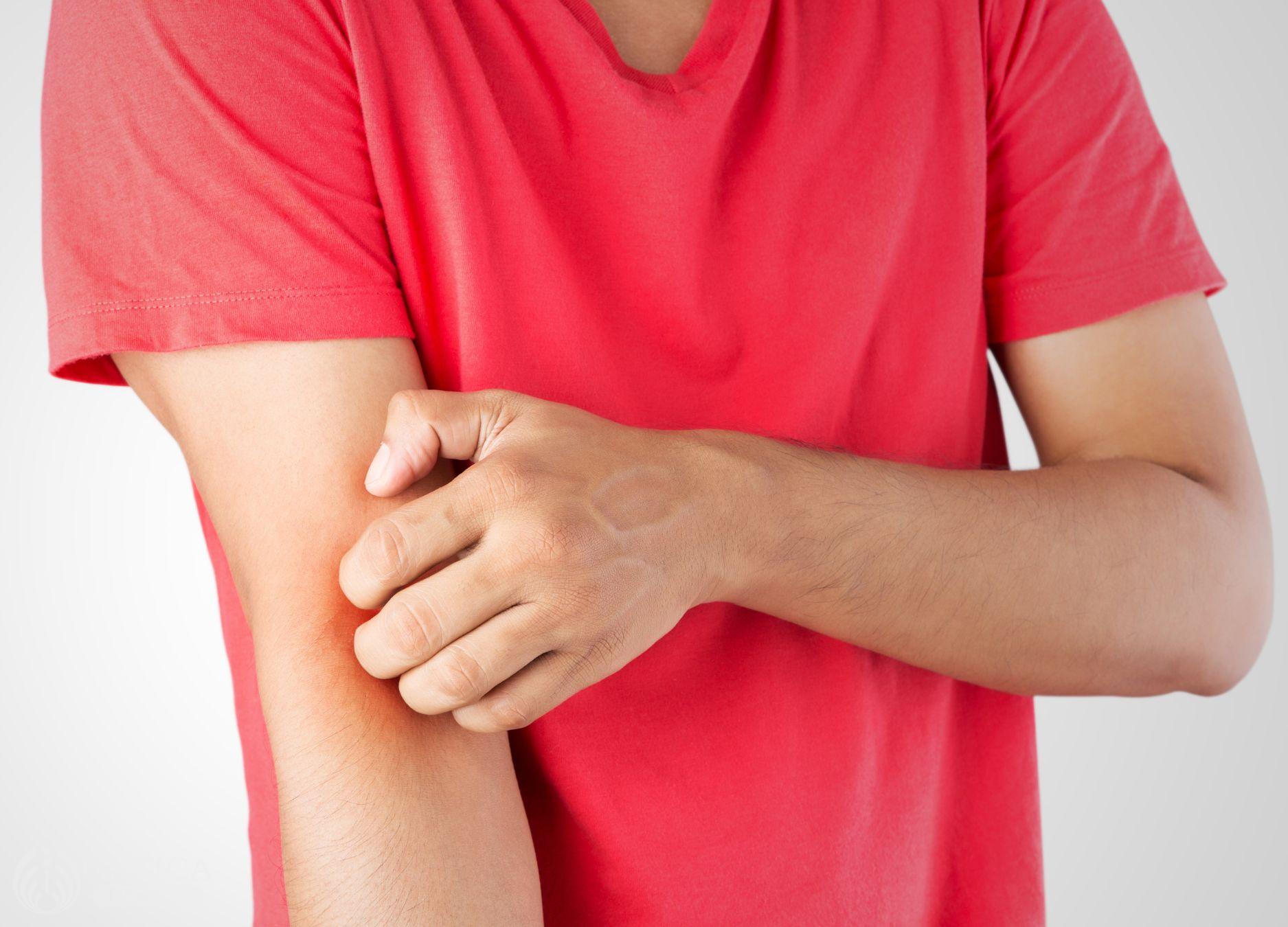
  1. Severe itching and rashes: People with river blindness often experience severe itching and rashes on their skin. The itching is caused by the black fly bite.
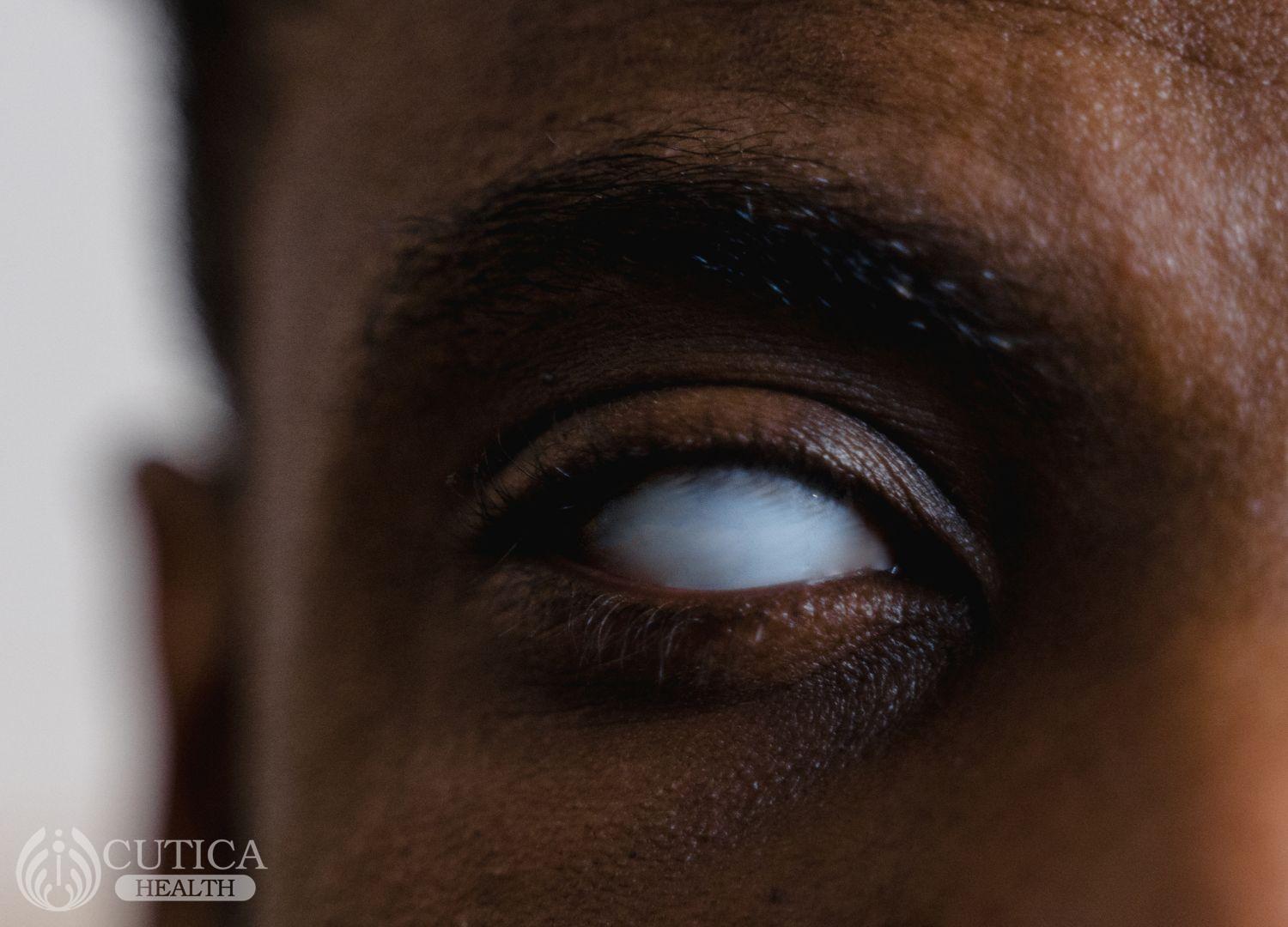
  2. Vision loss: The most severe symptom of river blindness is vision loss. Over time, the parasite (worms) that cause river blindness can damage the eyes and lead to irreversible blindness.
  3. Nodules under the skin: Another symptom of river blindness is the formation of nodules (bumps) under the skin. These nodules result from the body's immune response to the parasite.

Transmission

  1. Black flies: Black flies are the primary mode of transmission for river blindness. They breed near fast-flowing rivers and streams and bite humans for blood. These flies carry a parasite called Onchocerca volvulus, which causes river blindness.
  2. Contaminated water: In some cases, river blindness can also be transmitted through contaminated water sources. When humans consume contaminated water, they can become infected with the parasite that causes river blindness.

Prevention

  1. Insecticide-treated bed nets

Using insecticide-treated bed nets can help prevent black fly bites and reduce the risk of river blindness. These bed nets are vital for people living where black flies are prevalent.

  1. Mass drug administration

Mass drug administration is a public health intervention that involves giving medication to entire populations in areas where river blindness is common. The medication kills the parasite that causes river blindness and reduces the risk of transmission.

Treatment

  • Ivermectin

Ivermectin is a medication that is used to treat river blindness. It kills the parasite that causes the infection and can prevent further eye damage.

  • Surgery

In some cases, surgery may be necessary to remove the nodules that form under the skin due to river blindness. 
 

Conclusion

River blindness is a preventable and treatable disease, but it continues to affect millions of people worldwide 

With the proper prevention and treatment measures in place, we can work towards eliminating river blindness and improving the lives of those affected by this devastating disease.


 

Categories
Uncategorized

SELF-CARE FOR THE HEALTH PROFESSIONAL

"Enisa, an emergency room nurse, has been on duty for the past 18 hours. She hasn't eaten and has only managed to take 3 five-minute breaks today. She's exhausted and she can feel a migraine coming on. She feels anxious that she will make a fatal mistake because she's so tired she can barely see straight. Everyday, it's a bit harder to muster the energy for work."

Health professionals have a demanding schedule that automatically pushes self-care to the end of priorities. Doctors, nurses, laboratory technicians, and other care workers often work at a break-neck pace that leaves little to no time for themselves. 

In addition to the stress of their daily schedule, they also tend to be at the forefront of every major event, from pandemics like Covid-19 to the frontlines of terrorism and war. 

Constant and intense levels of stress leave health professionals at risk for burnout, anxiety disorders, compassion fatigue, and even depression. To prevent these, self-care must be a part of the daily routine.

Here are some self-care tips to incorporate into your day as a health professional:  

Build social relationships

Working round the clock can be isolating as it becomes difficult to keep up with other people. But it's mandatory you try. Make friends in your workplace that you can chat with in between shifts. Sometimes just the thought that "we are all in this together" can keep you going on a rough day. Knowing that there are other people who know exactly what you are going through can be a comfort.

Spend breaks chatting with friends in person or on the phone. Use time off work to connect with friends and family. Social support is a strong pillar of good mental health. 

Check-in with yourself

A check-in could be the difference between a break-down and a chance to step back. During the workday, incorporate the practice of checking in with yourself every hour. How am I feeling? Have I eaten? Am I worried about something? Do I feel mentally present and aware? These check-ins don't have to be a grand affair, you can do it while washing your hands, putting on protective gear, or during your lunch break. 

Find time for your hobbies

Few things give more joy than indulging in things you really love. For professionals with hectic schedules, hobbies are even more important than for other people. They help to clear your mind off work and can be a good way to relax. So, it's important you find time for those things you love.

Keep your energy up

Your body needs fuel in the form of food, water, and exercise to work in top form. Stay hydrated by taking a water bottle with you to work, try to drink it all during the day. A water bottle with drinking indicators is a helpful tool for this. 

Meals and energizing snacks are essential. Try to eat at least one filling, nutritious meal a day. If you are really busy, opt for fruit bars, granola bars, healthy biscuits, and smoothies that you can consume on the go and in a short time.


Conclusion

As a healthcare worker, it is important to take care of your physical and mental health to enable you to care for others. As the saying goes, "you can't pour from an empty cup". Please talk to friends, colleagues, supervisors, or a therapist if you find yourself overwhelmed with work and you can't seem to recover your footing.


Categories
Uncategorized

Hospice: What it is and What it isn’t

When Mrs. Smith was diagnosed with stage 4 breast cancer, she immediately began treatment. But rounds upon rounds of chemotherapy seemed to have no effect and her doctor gave her a 6months prognosis.  After a year, she asked to be moved to a hospice care facility. Her friends thought she was giving up on life, but she reassured them that she what she really wanted was to be more comfortable and in control of her final days.

Hospice care refers to specialized, high-quality care provided near the end of one's life. Hospice care affirms life but accepts death as the final stage of life. The key focus is providing terminally-ill individuals with compassion, comfort, dignity, support, and a level of control over their lives as they prepare for death. 

Hospice care is not a common part of health conversations, even doctors are wary of introducing the option to patients and their families. 

Here's what you should really know about hospice.

Hospice: What it is…

It is a care program towards the end of life

Hospice is typically for people who have been given a short prognosis measured in months instead of years. Often, hospice care is recommended if a person is anticipated to live six months or less. In some countries, hospice care is covered by health insurance policies and life insurance policies. 

*Prognosis refers to a doctor's prediction about a person's health based on medical tests and the progression of a disease. *

It is a holistic care center

Hospices focus on holistic care of the individual rather than curative care. The aim is not to treat or improve health conditions but to ensure that the person is comfortable despite the illness. Usually, care revolves around emphasizing comfort, improving quality of life, and reducing chronic pain. For instance, a cancer patient would not be admitted to radiation or chemotherapy treatment but would be given painkillers to reduce pain. 

They also provide services that cover other aspects of living such as occupational therapy, grief counselling, social work, and spiritual services. As a result, a typical hospice team consists of doctors, nurses, therapists, counsellors, social workers, religious personnel, and volunteers.

It is a flexible form of care

Hospice care isn't limited to hospice centers. It can be provided in the person's home, in a care home, and as an out-patient service (person visits the hospice). Infact, practitioners refer to hospice care as a style of care instead of a specific location of practice. 

Hospices are more concerned with providing individualized care.

What it isn't…..

It isn't a final care facility: Admission to a hospice doesn't mean life must end after six months. People can enjoy hospice benefits for longer than six months if their health remains stable. The hospice doctor regularly accesses the health of the patient and they may decide to extend an hospice stay. 

In some cases, a person can even be discharged. If the doctor accesses a person's health to have improved over time or the individual decides to seek more curative treatment, they can be discharged.  

It isn't a sign that you have given up on life

Opting for hospice care does not mean you have given up on life, instead it shows that you have chosen to live life as comfortably as possible until the end. Sometimes, people get tired of constant medications with no improvements or believe they have lived a good life and do not want any further desperate attempts at curing an illness that may be incurable. Hospice care provides a way to live fully on their own terms.

Conclusion

Hospice care is a good care option for the terminally ill, but it can be a sensitive decision to make. Remember that the individual has the final say about what kind of care they want to receive. At any point in time, it is alright to withdraw from hospice care and receive more specific treatment. 

Categories
Uncategorized

5 Skin changes not to ignore.

Jenny had always been proud of her clear, glowing skin. She has never had to deal with any skin problem. However, one day, she noticed that the mole under her foot had become larger and darker. Should this be ignored?  

Skin changes can happen to anyone and paying attention to them is essential. Most skin changes are harmless and resolve independently, but others need to immediate attention. 

  1. Skin tags

Skin tags are small, flesh-colored growths that usually appear on the neck, armpits, eyelids, and groin. They are usually painless, but they can be irritating if they rub against clothing or jewelry. Skin tags are common and not harmful. However, if they suddenly start growing or changing color, it's essential to have them checked by a dermatologist. Sometimes, skin tags can indicate an underlying condition such as diabetes or hormonal imbalance.

2. Moles

Moles are usually harmless but can develop into melanoma, a form of skin cancer. That's why it is essential to keep an eye on them and monitor any changes. Check your moles regularly for any size, shape, color, or texture changes. If you, like Jenny, notice any of these changes, have them checked out as soon as possible. 

3. Rash that fails to clear up

Rashes can be caused by various things such as allergies and infections. Most rashes are harmless and go away on their own. However, if you notice a rash that doesn't go away or spreads rapidly, get it checked. Some rashes indicate an underlying condition.

4. Warts

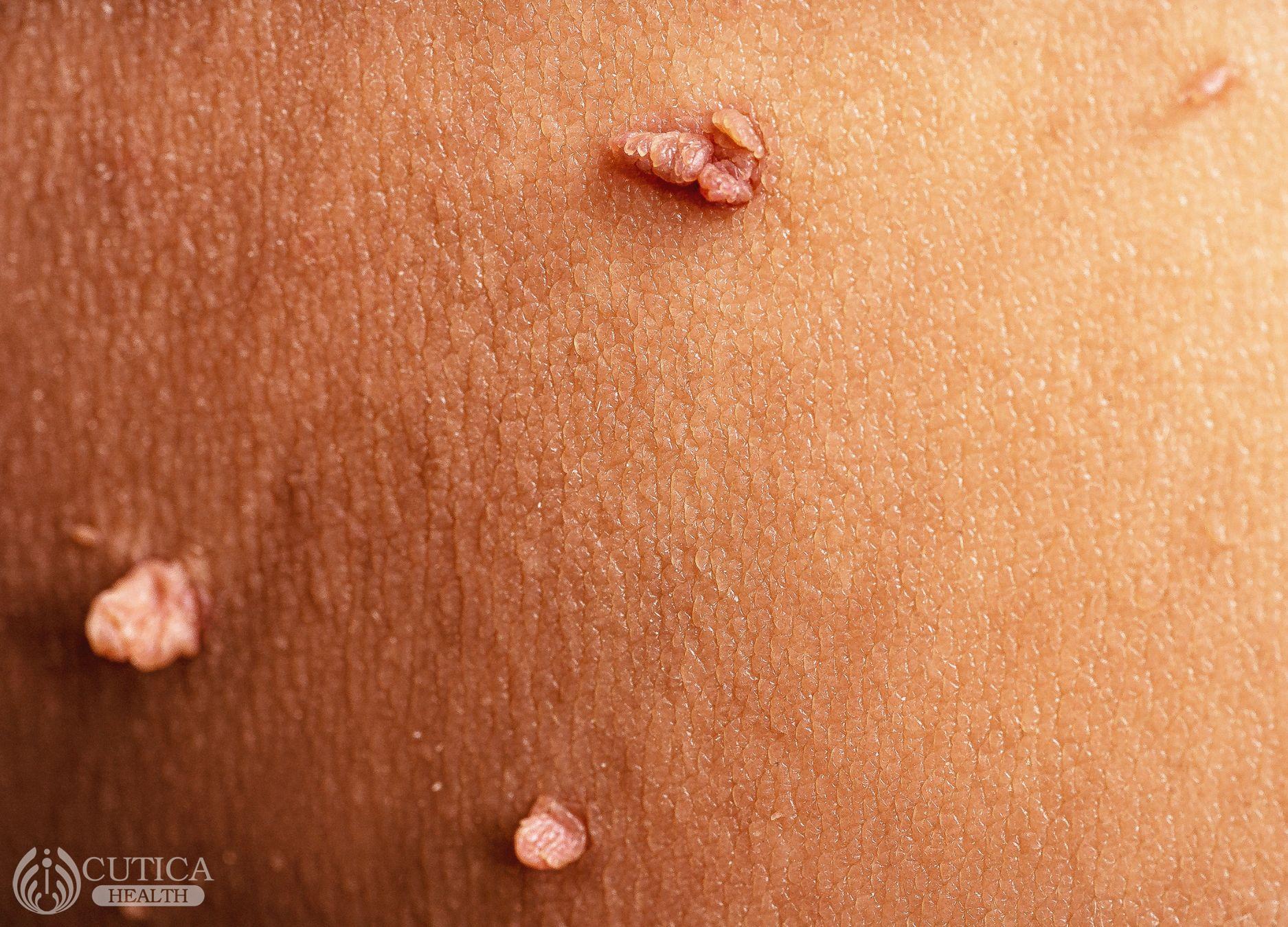
Warts are small, raised bumps on the skin caused by the human papillomavirus (HPV). They are usually harmless but can be unsightly, embarrassing, and sometimes painful. Some warts can be treated with over-the-counter products or prescription medication. However, warts in the genital area or mouth can increase risk of cancer. They can also indicate the person has a weak immune system and needs further tests. Medical attention is essential. 

5. Sores that don't heal

Sores that don't heal can be a sign of an underlying condition such as diabetes or skin cancer. If you have a sore that doesn't heal after a few weeks, it is essential to have it evaluated. A biopsy may be needed. 

Conclusion

Skin changes are common and most of them are harmless. If you notice any unusual skin changes or symptoms, get a medical evaluation. Dermatologists are skin experts. If you have difficulty seeing a dermatologist early, see your general medical doctor. They can evaluate your skin and recommend appropriate treatment. 

Early detection of skin conditions is vital for successful treatment and prevention of complications. Remember, your skin is your body's largest organ, and taking care of it is essential.


Categories
Uncategorized

Promoting Safety in Workplaces with Technology

The International Labor Organization reports that about 340 million occupational accidents occur globally each year. 

Workplace accidents affect the individual as well as the organization. Workers can suffer from limb loss, vision loss, and/or other types of injuries.  On the other hand, organizations also suffer loss of productivity, high staff turnover, and may get a reputation for being unsafe. 

Keeping employees healthy and safe has benefits for the organization and technological devices and software can make the process easy and automatic. 

Here are examples of what some organizations are doing to improve safety and health at work through technology:

Wearable technology

Organizations can increase the health and safety of workers who perform a lot of hands-on work through wearable technology. These technologies can greatly reduce the severity and frequency of workplace accidents. 

Wearable technology includes devices that track heart rate, temperature, and respiratory rate, thereby allowing stress, fatigue, or injury to be easily accessed. Another kind of wearables is called environmental wearables. These alert workers of unsafe conditions like temperature extremes, poor air quality, rapid weather changes, and more.  Proximity detection wearables can be used to prevent employees from entering dangerous areas or getting close to hazardous chemicals and materials. These wearables can be embedded in personal protective equipment (PPE) such as goggles and hardhats.  

Virtual Reality and Augmented Reality (VR and AR)

Virtual and Augmented reality technologies are very useful tools for carrying out safety training programs. VR technology can be used to simulate risky working environments such as mines or oil rigs to assess and measure the potential risks employees are exposed to. Without endangering any staff member, the best way to reduce these risks can be implemented. These technologies can also be used to teach employees how to use tools and equipment, and for drills such as for fire incidents, or natural disasters.

Ergonomic technology

Ergonomics is an applied science field that deals with designing and arranging things in a way that allows people to use them safely. 

In workplaces where employees spend a lot of time at their desk or in particular positions, focusing on making workstations ergonomically friendly can be very useful. 

Sit-stand workstations, adjustable chairs and tables, ergonomic computers, screen guards, and other similar tools help to promote employee health at work. 

Environment, Health, and Safety (EHS) Management Software

Environment, Health, and Safety management software allows organizations to manage the health and safety of their employees within one system. 

EHS management software provide a broad range of functions such as risk assessment, injury reporting, workflow optimization, employee training, health and safety protocol compliance, and more. EHS software helps businesses stay updated on industry regulations and policies, provides data to analyze recent trends, and allows daily workflow to be optimized.  

Conclusion

Workplace injuries can have long-term effects on employees, their families, and the organization. It is paramount that measures be put in place to protect employees from harm and undue risk. 

Categories
Uncategorized

Tooth Sensitivity: Triggers, Causes and Treatment

 Chinedu’s teeth felt like a live wire anytime he drank cold water. He complained to his friend, “The way my back teeth shock me whenever I take anything cold is enough to light a bulb”. His friend laughed at this exaggeration and began to mock him about his habit of chewing bones after eating the meat.

His friend had warned him about the dangers caused by chewing bones, but since it was something he enjoyed, he convinced himself that it was his own source of calcium. The herbal concoction he was using on the teeth worsened the sensitivity, leaving him no other option than to visit the nearby dental clinic for treatment. 

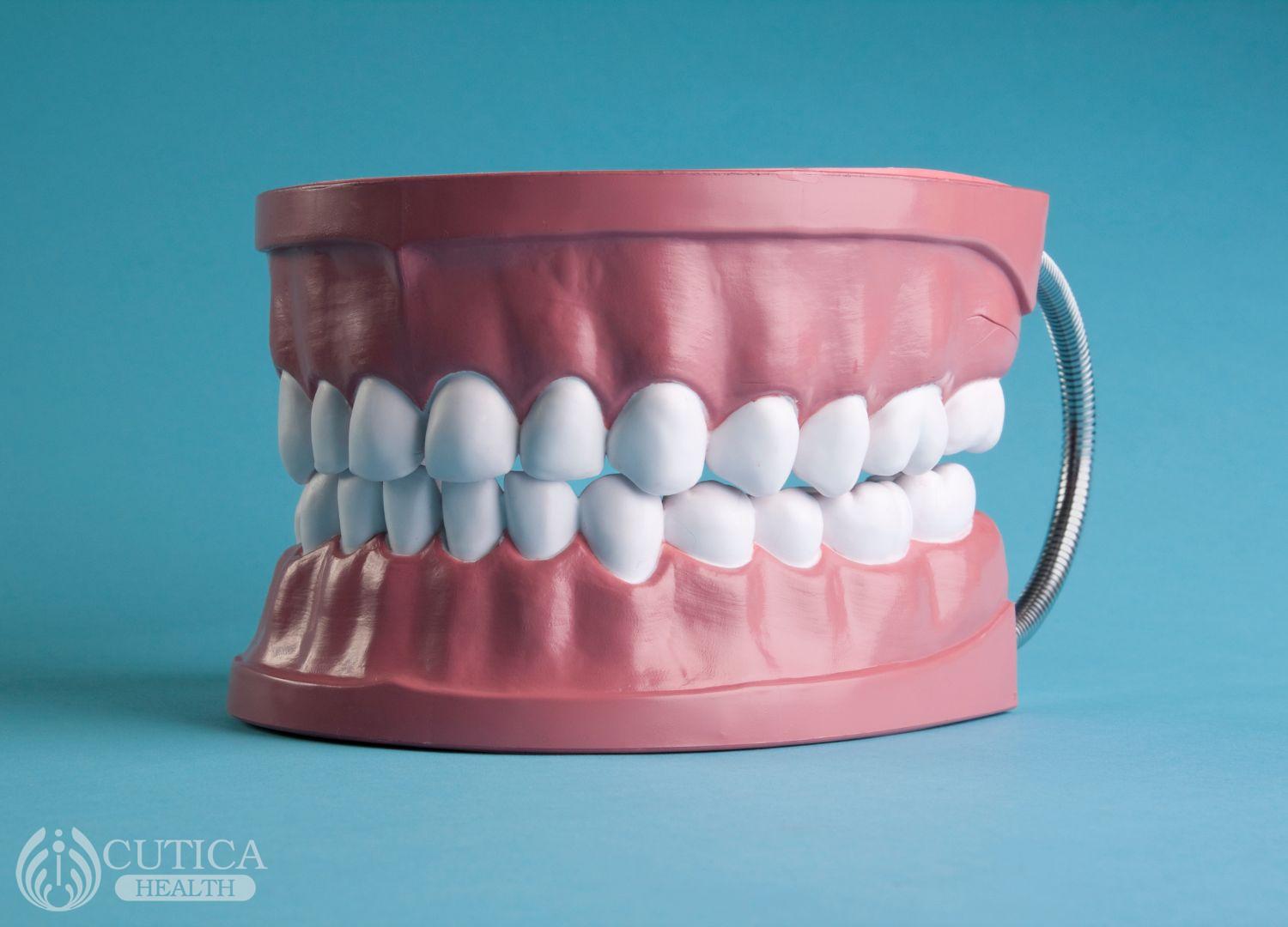
Tooth sensitivity refers to the uncomfortable or shock sensation from the teeth when exposed to extremes of temperature. It can be restricted to one tooth, many and even all the teeth.

 Some conditions that trigger this sensitivity are:

  • Hot or cold meals and drinks
  • Cool air
  • Fruits with high acidic content
  • Sweetened foods
  • Brushing or rinsing the mouth.

Nerves that conduct sensations of pain and temperature change are plentiful in the second layer of the teeth called the dentine. The outer layer (Enamel) protects and helps regulate sensations but when this layer is worn down and dentine is exposed, you start to experience shock-likesensationthat could progress to pain if left untreated.

Some people may be more prone to sensitive teeth than others due to the thinner outer layer of their tooth (Enamel), and it can affect individuals of any age.

Causes of Tooth Sensitivity

  • Use of excessive force while brushing

It is important not to apply too much pressure on your teeth when brushing because this can gradually strip off the outer layer of your teeth and expose the nerve , causing sensitivity.

  • Frequent intake of acidic meals and drinks

Acid from soda and meals containing refined sugar can dissolve the outer layer and also serve as fuel for bacteria to produce more acid. This causes more harm to your teeth.

  • Cracking hard substances like bones

Though the enamel is a hard substance, constantly using it to crack hard substances like bone and ice cubes will gradually wear it down.

Opening corks of drinks using the teeth

This same principle explained above applies here. Your teeth are not substitutes for bottle-openers and should not be used to open or pull-out corks.

Brushing with a hard toothbrush

It is advisable to use a brush that is not too soft, sothat it may adequately remove plaque and food debris. Avoid toothbrush that is toohard as that can damage the enamel and your gum.

Grinding your teeth

 Grinding of the teeth especially at night, which is involuntary in most cases,gradually wears downthe enamel at the chewing surfaces, leading to exposed dentine.

Some medical conditions

Some medical conditions can cause the stomach acid to be returned to the mouth, thereby dissolving the enamel with time. These include bulimia in which sufferers induce vomiting themselves oracid reflux which causes heartburn. 

Treatment for Hypersensitive Teeth

Thankfully, several treatment options are available for sensitive teeth. Examination of your teeth is done by the dentist who will clean and touch them using dental equipment. Further investigations may be done to arrive at a diagnosis. The treatment options are:

1. Toothpaste containing desensitising agents that prevent irritation on the nerve of the tooth by blocking the pores. It is usually recommended in mild cases and the toothpaste is specifically for sensitive teeth.

2. Use a mouth wash which is alcohol-free. These types of oral rinses irritate the teeth less and will not trigger sensitivity.

3. Brush gently with soft brushes.

Professional Treatment

4. Application of fluoride gel or desensitizers which protect and strengthen your teeth

5. Restoration of broken-down teeth with tooth restoration materials

6. Consult specialists for treatment of underlying conditions causing acid reflux. Mouthguards can be used to prevent damaging the teeth from grinding.

If you intend to use your teeth for a long time, you must stop harmful practices that could damage them and begin to practise good oral hygiene to keep them healthy.

Categories
Uncategorized

Baby Blues: Sadness After Childbirth

"Nadia gave birth 3 days ago to a beautiful baby girl. She was alright at first but now she finds herself crying for no reason at all. She feels worried and anxious all the time about her ability to properly care for her baby. She feels overwhelmed and sad for hours during the day. Nadia thinks there's something wrong with her. She should be feeling happy, so why does she feel so unhappy?"

Being a new mom is a powerful experience that triggers intense emotions. Joy, excitement, awe, delight, and satisfaction, amongst others.

But it's also not unusual for new mothers to experience emotions such as anxiety, fear, mood swings, uncertainty, sadness, and even depression after childbirth.

These symptoms which usually begin 2-5 days after childbirth are known as Baby Blues.

What should you know about Baby Blues?

Baby blues has identifiable symptoms

Baby blues is a milder form of postpartum depression. It often starts a few days after childbirth and can last for up to 2 weeks.

The symptoms of baby blues include:

  • Mood swings
  • Irritability
  • Feelings of sadness
  • Weepiness: frequent crying for no identifiable reason
  • Appetite problems: Eating too much or too little
  • Difficulty concentrating on tasks
  • Anxiety
  • Feeling overwhelmed and restless
  • Fatigue
  • Wanting to be alone
  • Insomnia: having difficulty falling and staying sleeping

Symptoms tend to dissipate without treatment. You will need to see a medical professional if you feel sad and worried for more than two weeks. You may be at risk for postpartum depression.

Postpartum depression is a more severe and long-lasting form of depression. Postpartum depression can affect your ability to care for and bond with your child as well as your ability to perform daily tasks.

Baby Blues affect a lot of women

Experts say most women experience baby blues, approximately 70-80% of women! Women of all races, ages, education levels, cultures, and socioeconomic backgrounds can be affected by baby blues.

What causes baby blues?

Although it is quite common, the exact cause is unknown, but several factors have been highlighted. The hormonal changes during pregnancy and after childbirth may create chemical imbalances in the brain that may result in depression.

Changes in your sleep routine (not sleeping as much as you used to) and diet as well as disruption to other routines such as exercising can also contribute to baby blues. Feelings of worry and uncertainty about how the birth of the baby may change your life or how to properly care for the baby may also play a part.

How do I care for myself or my partner during this time?

Baby blues tend to resolve on its own, but you can make it easier by:

  • Eating healthy, balanced meals at least 3 times a day.
  • Finding time to carry our simple home exercises.
  • Avoid abusing prescription drugs, alcohol, or psychoactive drugs such as marijuana. These substances can affect your mood and make it harder to care for yourself and your baby.
  • Asking for help as much as possible. Tell your spouse, family, and friends how you feel and how they can help.
  • Spending some time alone. Ask a trusted individual to watch your baby and take the time to nap, shower, walk around the block, or just breathe.
  • Talking to other parents who will understand just how you feel.

Conclusion

Baby blues refers to a mild form of depression experienced by most women around the world. If you feel sad or overwhelmed or weepy after childbirth, don't feel bad or like something's wrong with you, it's completely normal.

Baby blues tend to resolve on its own in 2 weeks or less. If you are experiencing intense symptoms for more than 2 weeks, please see a medical professional.

Categories
Uncategorized

Mental Health Benefits of Breastfeeding

"Adriana put to bed 2 months ago. Since the birth of her baby, she has practiced exclusive breastfeeding. But she wants to return to work in a month's time and is planning to introduce formula into her baby's diet. Her mom has advised to breastfeed a little longer as there are numerous benefits for both her and the baby. Is there any truth to her mom's advice?"

Breastfeeding has numerous physical benefits for both the mother and the baby. Research has linked breastfeeding to stronger immune system in babies protecting them from infections, diarrhea, sudden death, and more. For mothers, breastfeeding has been linked to a reduced risk of ovarian cancer, breast cancer, osteoporosis, type 2 diabetes, and heart disease.

Does breastfeeding have any mental health benefits? Let's find out.

Breastfeeding can reduce the risk of postpartum depression

Research has shown that parents who want to and are able to breastfeed have the lowest risk of postpartum depression. Postpartum depression is a severe form of depression that occurs about 1-3 weeks after childbirth and which can interfere with one's ability to care for themselves, their baby, and even handle basic household tasks.

Enhances brain development in babies

Breastfeeding has a strong, long-term effects on cognition and behaviour. Breastfed children are more likely to have better memory, well-developed reasoning, and critical thinking skills, and may also grasp language faster.

Maternal health experts have stated that the affectionate bonding that occurs during breastfeeding helps to reduce behavioural and social problems in children as well as adults.

Breastfeeding has also been linked to emotional wellness in babies. Babies who are breastfed tend to be calmer and cry less often.

Reduction of maternal stress

Breastfeeding mothers tend to deal with daily stress better. They experience less anxietyand have more positive moods. This has been linked to production of the hormonesoxytocin and prolactin during lactation. Oxytocin creates a peaceful feeling that prompts mothers to relax as well as a nurturing urge that prompts a sense of attachment and affection for the baby.

Better sleep

Quality sleep is essential for optimal functioning of the brain and body. Concentration, attention, mood, and energy are some of the areas affected by inadequate sleep. New mothers need sufficient sleep to take care of themselves and their babies. Although breastfeeding mothers wake up often to feed their babies, they also fall asleep easily and sleep deeply for a longer time. 

Conclusion

Breastfeeding has immense physical, cognitive, and psychological benefits for both mothers and babies, from reducing the risk of severe diseases to better brain and behavioral development. These benefits are most prominent when breastfeeding takes place for at least 6 monthsand the mother has sufficient support at home and at work.


Categories
Uncategorized

Malaria in Children

As a child, Titi loved to play outside. She would run around the field and play with the other children in her village. But one day, Titi started feeling tired and weak. She had a high fever and was shivering with chills. Her mother knew what was wrong. Jane had malaria.

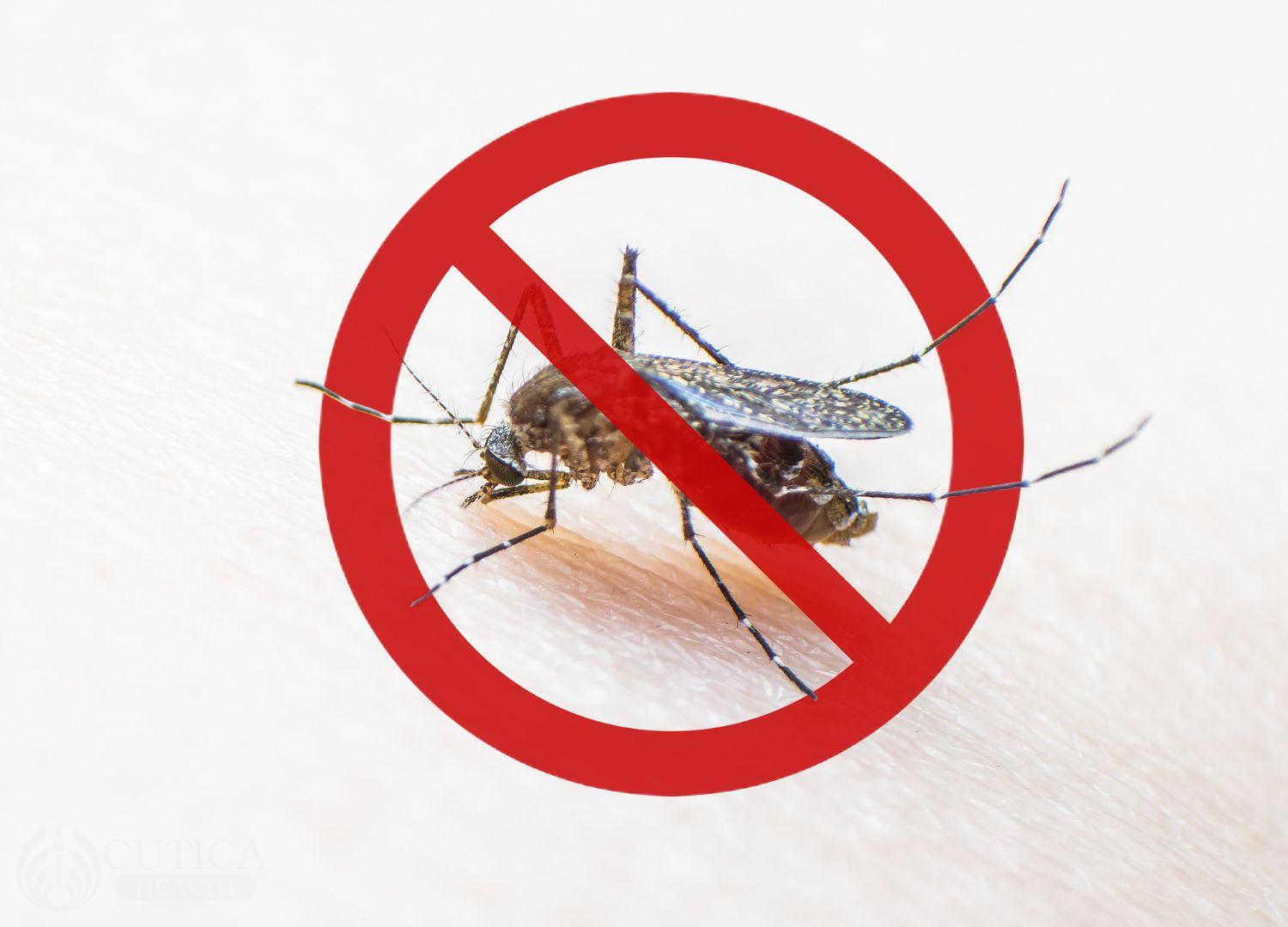
Malaria is a parasitic infection caused by the bite of an infected mosquito. It is a persistent problem in Nigeria and some other countries, particularly in Africa.

Features of Malaria in Children

The most common symptoms of malaria include fever, chills, headache, muscle pain, fatigue, and vomiting. The disease can cause seizures, coma, and even death in extreme cases.

Children are particularly vulnerable to malaria because their immune systems are still developing, making them more susceptible to the infection. In addition, children living in places with a lot of malaria are often exposed to the disease repeatedly, which can lead to complications, such as anemia (low blood level) or poor mental development.

Diagnosis and Treatment Challenges

Diagnosing malaria in children can be challenging, especially in areas where laboratory facilities are limited. Rapid diagnostic tests (RDTs) are often used to detect the disease, but these tests are not perfect.

The emergence of drug-resistant malaria also complicates the treatment of malaria in children. The most effective treatment for malaria is artemisinin-based combination therapy (ACT). The correct dosing of these drugs is critical, as under-dosing can lead to treatment failure and the development of drug resistance.

Public Health Efforts to Control and Prevent Malaria

The World Health Organization (WHO) has set a target to reduce malaria by at least 90% by 2030.

Correct use of insecticide-treated bed nets (ITNs) can reduce malaria occurrence by up to 50%. ITNs are distributed free or subsidized to vulnerable populations, such as pregnant women and children under five.

Another strategy for controlling malaria is indoor residual spraying (IRS), which involves spraying insecticide on the walls and ceilings of houses to kill mosquitoes. IRS effectively reduces malaria transmission in areas where mosquitoes have not become resistant to the insecticides.

In addition, the WHO recommends intermittent preventive treatment (IPT) in pregnant women and children under five in high malaria transmission areas. IPT involves administering antimalarial drugs regularly, regardless of whether the individual has malaria.

Conclusion

Malaria in children remains a persistent public health problem in many parts of the world. The disease can have severe consequences for children. We look forward to a time when children around the world will be totally free from malaria.

Categories
Uncategorized

A Vaccine for Malaria

It’s a typical day in the small village of Nsuta in Ghana, where Amma does her daily business. She’s a young mother and acutely aware of malaria's risks to her and her children. She’s seen friends and family members suffer from the disease and knows it’s a constant threat in her community. 

But today, she’s feeling optimistic. There’s a new vaccine being tested in the area, and she’s heard that it could protect against malaria. She’s hoping that it will be available soon and that it will help to make a real difference in the fight against this deadly disease.

The long road to a malaria vaccine

Malaria is one of the world’s deadliest diseases, with over 200 million cases and 400,000 deaths reported yearly. Most of these cases occur in sub-Saharan Africa. Despite efforts to control malaria through bed nets, insecticides, and antimalarial drugs, it remains a major problem.

The development of a malaria vaccine has been a long and challenging process. Researchers have worked on a vaccine for over 30 years. One of the significant challenges has been the complexity of the malaria parasite, which has made it difficult to develop a vaccine that can provide effective and long-lasting protection.

But despite the many obstacles, researchers have continued to work tirelessly to develop a malaria vaccine. Significant progress has been made recently; some vaccine candidates have entered clinical trials. Clinical trials are scientific studies that evaluate the safety and effectiveness of new drugs, treatments, or medical devices. These trials involve human participants who volunteer to be part of the study.

Ghana and Nigeria lead the way in approving a new vaccine

In October 2021, a reputable global health organization announced that it had approved a new malaria vaccine called RTS,S/AS01 (Mosquirix). The vaccine was developed by GlaxoSmithKline (GSK) in collaboration with the PATH Malaria Vaccine Initiative (MVI) and other partners.

The vaccine has been shown to provide partial protection against malaria in young children. In clinical trials, it reduced the occurrence of malaria by 30% to 50% and the number of severe malaria cases by 30% to 40%.

The vaccine was first approved for use in Ghana in April 2023 followed by Nigeria within a few days, marking a significant milestone in the fight against malaria. 

The ongoing large-scale trial

While the vaccine's approval is a significant achievement, more work remains to be done. The vaccine is currently undergoing evaluation in a large-scale study involving 360,000 children in Kenya, Ghana, and Malawi. The trial is expected to provide more information on the safety and efficacy of the vaccine.

The trial is expected to be completed in 2023, and if the results are positive, the vaccine could be recommended for use wherever it is needed worldwide. An ambitious target is to reduce malaria cases and deaths by 90% by 2030, and a safe and effective vaccine will be an essential tool in achieving this goal.

The challenges ahead

Despite the progress that has been made, there are still many challenges to overcome in the fight against malaria. One of the biggest challenges is the cost of the vaccine. RTS,S/AS01 is a relatively expensive vaccine that may be difficult for low-income countries to afford. To get over this hurdle, an Indian company and other partners have taken up challenge of mass producing this vaccine.

Another challenge is developing vaccines that can provide long-lasting protection against malaria. RTS,S/AS01 offers partial protection for a limited time, and there is a need for vaccines that can provide longer lasting protection.

Conclusion

The approval of the RTS,S/AS01 vaccine in Ghana and Nigeria in April 2023 is a significant achievement in the fight against malaria, but this is just the beginning. The vaccine is a significant step forward, but there is still a long way to go to eradicate this deadly disease.

One of the keys to success will be continued investment in research. Developing a malaria vaccine has been a long and challenging process, but it’s also been a testament to the power of scientific collaboration and innovation.

Vaccines are just one tool in the fight against malaria. Other strategies, such as bed nets, insecticides, and antimalarial drugs will continue to play important roles.