Categories

"Namjoon starts his day by reaching for his phone. He checks for important work notifications, responds to those, and immediately after, checks his social media. He hops from Twitter to Instagram to Snapchat and before he knows it, he has spent 2 hours online. He gets started on his work for the day, but he is often distracted by social media notifications. By lunch time, he has spent just 30 minutes on actual work and 3 hours on his social media platforms."
If someone asked you what you were doing before you started reading this article. You would probably say, " I was just browsing through Twitter, Instagram, or Facebook." In fact, you might have found the link to the article on one of these platforms!
Social media make communication with people, business, and keeping up with news across the globe easy and possible. In modern times, however, social media overuse has become a norm, even leading to addiction in some cases.
Social media addiction is a behavioral addiction where the individual experiences an uncontrollable urge to use social media, is very concerned about social media, and dedicates large amounts of time and effort to social media use, such that other areas of life are affected.

Why is it possible to be addicted to social media?
Social media addiction, like other forms of addiction, is due to dopamine stimulation. When you exercise, eat something delicious, or smash a major goal, the brain releases dopamine as a form of reward.
Dopamine creates a pleasurable feeling through the body. Most human beings like this sensation and are motivated to repeat the behaviour.
Hard drugs such as cocaine and marijuana, and activities such as gambling trigger the release of dopamine in excess. People become addicted when they frequently use the object to trigger the pleasure dopamine creates.
Likewise, social media platforms have their own mechanisms (retweets, shares, likes, pins, and follows) that trigger the release of dopamine. In fact, scientists have compared the intensity of dopamine released by social media interactions to that triggered by cocaine use.
When someone likes your social media post, retweets your comment, or follows you, you experience the pleasurable rush of dopamine. You feel good, your self-esteem and self-worth are boosted. This increases the chance that you will go online and repeat these behaviours. The more dependent you get on this feeling, the more addicted you become to the platform.
How do I recognize social media addiction?
Most people are habitual social media users, it's a part of their daily routine.
But using social media often doesn't mean you are addicted. To determine if you or someone you know is at risk for social media addiction, use this checklist:
A positive response to more than 3 of these items may indicate the presence of addiction.

How can social media dependence be reduced?
"Queen has been a thorn in Yvonne's side since her first day at Heire Limited. They shared the same office space and worked on the same projects in the office. But Queen made each day miserable for Yvonne. She was verbally abusive, frequently shot down any ideas Yvonne had, stole credit for the work she had done, and spoke ill of her to anyone who would listen. Yvonne is at her breaking point, she doesn't know what to do."
Dealing with difficult people is a certainty of life. You meet them in every aspect of life: at work, at home, in school, in long queues at the cinema, and in traffic, literally everywhere.
But a difficult colleague can make life a living hell for you. You can choose to ignore annoying people in other places or even retaliate, but at work, such actions may have severe consequences.

So how do you cope with the co-worker from hell? Try these tips:
Tip 1: Try to avoid them
The best way to avoid drama with a difficult co-worker is by staying away from them. If you work together and have to communicate often, stick to work topics only. Be concise, professional, and pleasant. Try to ignore insulting comments that may cause you to flare up.
If you share an office space with them, noise-cancelling headphones can help you shut out their comments and voice.
Physical distance can also be useful. You can move your desks, so you are out of their reach, or switch offices if your supervisor allows it.
Tip 2: Use emotional detachment
Emotional detachment, in this sense, means willingly disconnecting from the feelings of other people (in this case, the bully). A good strategy is to pretend you are studying them like an organism and figuring out what makes them tick.
This ensures that you don't take their actions personally while helping you tune them out. You never know, you might learn a couple of things about them that will make dealing with them easier.
Tip 3: Talk to them about it
If a co-worker's actions and/or language is making the work environment very difficult for you, talking to them about it is a good step to take.
Without using abusive language, explain what the problem is and give them a chance to explain their side of the story. Try to focus on the specific problem and avoid making it about the co-worker as a person.
For instance, instead of "you are a very rude person who lacks manners."
Opt for "sometimes, you come across as condescending when you communicate under pressure."
Talking to them might give you an insight into their mindset and personal issues that may be affecting their behaviour at work.
Tip 4: Talk to a supervisor
If tip 3 fails, try this one. Your co-worker may resist all attempts to discuss and resolve the issue. When this happens, it might be a good idea to get a manager, or supervisor involved. If your co-worker's behaviour violates the company's HR policies, the issue can be dealt with according to the company’s code of conduct. A supervisor/manager can also serve as a mediator between you and the person.
Before reporting the issue, consider if it's worth escalating and make sure to collect evidence of their inappropriate behaviour.

Conclusion
Humans spend a large majority of their time on Earth at work, so it's important that the workplace is healthy. Good working relationships are essential for a healthy work environment and peace of mind. Although bad co-workers may try to steal your peace, but these tips will help you manage them effectively.
Julie, a 60-year-old retired teacher, enjoys reading novels and knitting. Her vision has become blurry recently, making it challenging for her to engage in her hobbies. She visited an eye doctor who discovered that Julie had cataracts. Following a surgical procedure, Julie's vision improved, allowing her to resume her hobbies.
Introduction
Each eye has a clear lens that works like a camera's lens. Eye lenses help to focus the light entering the eyes and are important to see clearly. Cataract is a condition in which the eye lens becomes cloudy. Severe cataract can cause blindness in the affected eye.
Causes of Cataracts

Symptoms of Cataracts
Treatment Options for Cataracts
Prevention of Cataracts
Conclusion
Cataract is a challenging eye ailment that can result in double vision, sensitivity to light, hazy vision, and trouble seeing in dim light. Age, genetics, and lifestyle decisions all affect cataract development.
Prescription eyeglasses or contact lenses may help early-stage cataracts, but the best course of treatment is cataract surgery.
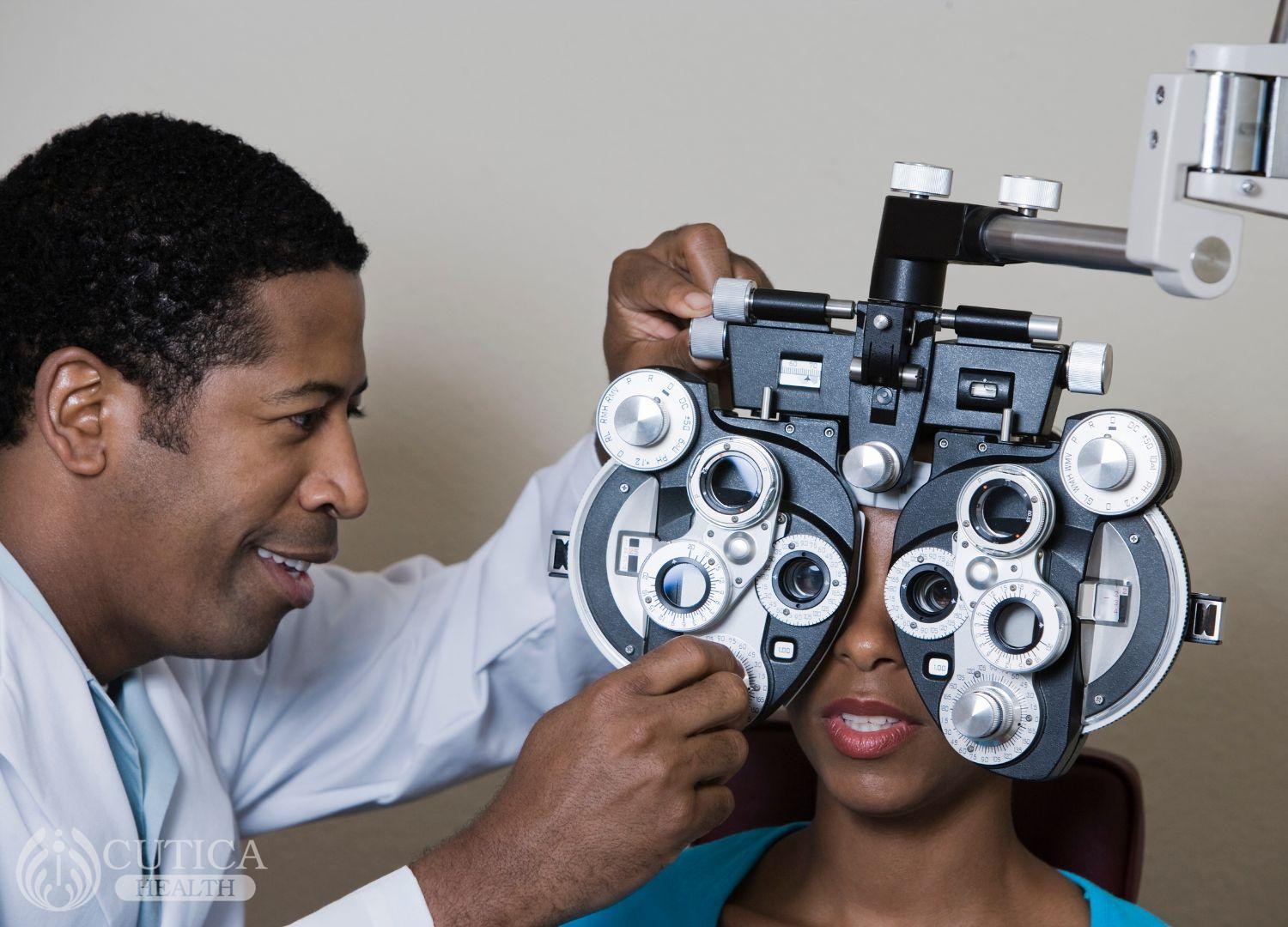
You can lessen your risk of getting cataracts by adopting preventative actions, such as sunglasses and leading a healthy lifestyle. If you have cataract symptoms, it's essential to consult your eye doctor to figure out the best course of action.
A 45-year-old working mother, Nancy was constantly juggling her job and family. One day, while working on her computer, she noticed her eyes were becoming dry and itchy. After consulting an ophthalmologist, she discovered that her diet lacked essential nutrients for healthy eyesight.
The eyes require specific nutrients to function correctly. Keep these facts on your fingertips:
Supplements for Eye Health
a. Multivitamins: A multivitamin can help fill in nutritional gaps in the diet, but choosing a high-quality supplement that provides the necessary nutrients is essential.
b. Omega-3 Supplements: If you don't eat enough fatty fish, consider taking an omega-3 supplement to get the essential fatty acids needed for eye health.

c. Vitamin D Supplements: Vitamin D is essential for eye health and often lacks in the diet. Consider taking a supplement if you need more through food or sunlight exposure.
Lifestyle Changes for Eye Health

Conclusion
A well-balanced diet with essential nutrients is crucial for maintaining healthy eyesight. By eating the right foods, avoiding unhealthy ones, and making lifestyle changes, you can protect your eyes and prevent age-related vision problems. Remember, prevention is always better than cure, and by taking care of your eyes, you can enjoy good vision for years to come.
“Dapo discovered Tramadol through some friends at the construction center. After numerous complaints about severe body pains caused by the difficult work, his colleagues asked him to try Tramadol. They promised that Tramadol would not only stop the pain, but it would also make him feel powerful and able to work tirelessly. They gave him a 225mg pill to try. True to the stories, Dapo felt unstoppable at work. The next day, he popped one pill before work and the next he took one before work and another pill after work, until he was using Tramadol to get through each day. Now, he can’t stop using the drug. He feels nauseous, drowsy, fatigued, and has headaches whenever he doesn’t use it.”
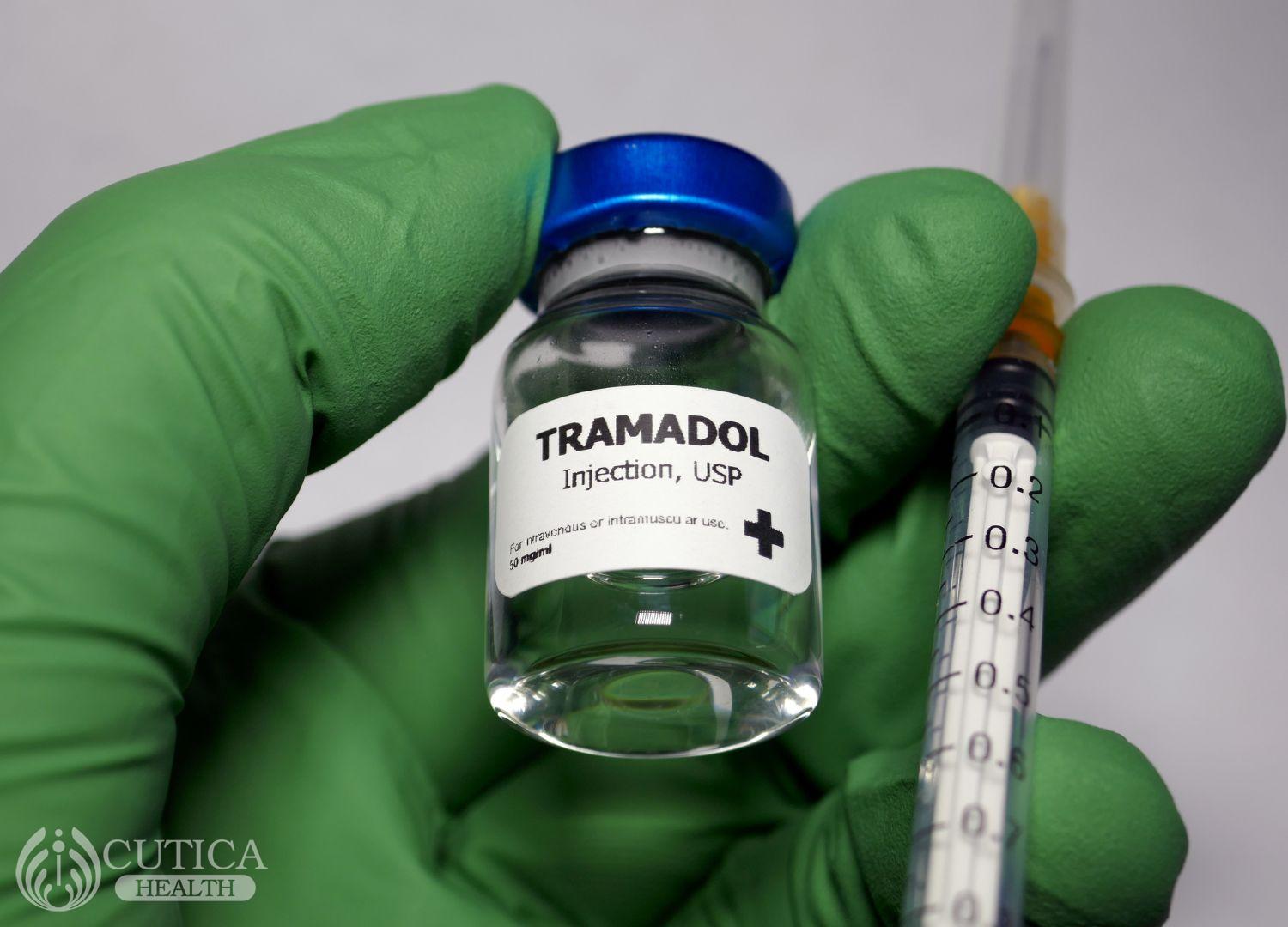
Tramadol is an analgesic (painkiller) belonging to a class of medicines known as opiates. Tramadol is used to treat moderate to severe pain after surgeries or serious injuries. It is also recommended for people dealing with long-term pain when milder painkillers are no longer effective.
Legally, a prescription is needed to obtain Tramadol. On the streets, Tramadol can be easily purchased, even at doses that are higher that the legal dose.
A national survey reported that 1 out of every 7 Nigerians between ages 15 to 64 had abused drugs in the past year alone. The most commonly abused drugs were pharmaceutical opioids such as Tramadol, morphine, and codeine. In fact, Nigeria has been highlighted as one of the countries with the highest Tramadol use.
Tramadol abuse affects the physical, mental, and socioeconomic aspects of a person's life. A person abusing Tramadol can experience a variety of effects ranging from mild to severe to fatal.

Some of these effects include:
Seizures: when a person consumes very high doses of Tramadol, they are more likely to suffer seizures.
Hyperalgesia: this is a condition where the nervous system overreacts to painful stimuli. People with hyperalgesia have an increased sensitivity to pain and will experience very intense pain from injuries or surgeries. People who abuse opioid drugs like tramadol tend to experience hyperalgesia.
Serotonin Syndrome: Tramadol creates a high by releasing serotonin, the hormone responsible for stabilizing mood, and prolonging its presence in the brain. If an excess amount of serotonin remains in the brain, serotonin syndrome can occur. This syndrome can be life-threatening and most commonly happens when the individual pairs Tramadol with certain antidepressants.
Symptoms include agitation, tremors, muscle spasms, muscle rigidity, loss of coordination, and seizures. The person may eventually fall into a coma.
Disruption of critical brain functions:
Tramadol abuse can damage the brain. Chronic abuse of Tramadol can result in permanent damage to brain functions such as memory, critical thinking, and learning.
Conclusion
Tramadol is a powerful painkiller (opioid) that is being misused and abused by some people. Because of its classification as a mild to moderate opioid, its addictive qualities were overlooked. Tramadol misuse/abuse includes using the drug without a prescription, using very doses, or combining Tramadol with other substances to increase its potency.
Tramadol abuse can lead to severe consequences for the user and even result in death. Say no to drug abuse.
"Amber has a major presentation tomorrow which could get her a massive promotion at work. She still has a week till the presentation but she's already so scared! She worries about everything that could go wrong. What if everyone laughs? What if she forgets her notes? At this point, Amber would rather die than give that presentation."
It's no easy feat to get in front of a group of people and speak or perform eloquently. In fact, public speaking is a major fear for a lot of people, surpassing things like ill health, loss of financial stability, and even death!
But even though you hate it, you will probably have to speak to a group of people, whether small or big at one point in time.
Here's how to make the experience a good one:
Prepare in advance: if you have stage fright, you shouldn't leave anything to chance. Make sure you have studied your topic extensively and you can answer most simple questions about it. Have a little notebook with your key points to help you remember anything you might forget.
Practice your posture several times a day, preferably in front of a mirror. Your posture conveys if you are feeling confident, anxious, indifferent, or scared. Good posture can convince your brain that you are more confident than you are feeling.
Try to stand up straight, straighten your neck, and relax your arms.
Laugh: laughter stimulates the production of hormones known as endorphins. Endorphins are also known as feel good hormones, they neutralize pain to an extent, counter feelings of anxiety, and are produced by activities like exercising or laughing.
Counteract stage fright by watching or listening to something funny before you go on stage. Talk to a friend. Watch funny YouTube videos. Play with a baby.
Control your breathing: when you are nervous, scared, or excited, the way you breathe changes. If you experience stage fright, you go into fight or flight mode when you step on stage. As a result, your heart races and you find yourself breathing hard.
Take deep and even breaths to convince your body that you are not in danger. It helps to create a rhythm such as inhaling and holding your breath for 5 seconds, then exhaling. Repeat until you feel more grounded.
Move: getting on stage can be very stressful for people with stage fright. Stress triggers the release of hormones that make you want to fight the threat or flee the scene. Research has shown that standing in one spot can increase the stress and pressure you are feeling. So, move! Take a few steps in either direction, move around the podium, use gestures, and gesticulate. Moving can make your body language appear more powerful and confident. But don't flail around, use short, purposeful movements.

Involve the audience: you are ready to take the stage but one look at the audience, and all you see is a sea of silent, judgmental faces ready to laugh at your smallest mistake. Thoughts like this can sabotage your presentation before you even start. Create a friendly aura by using icebreakers such as jokes to make the atmosphere lively. You can ask questions, encourage people to sing along, clap along to the beat, or join in a chant.

Conclusion
Stage fright is a common fear experienced by millions of people around the world. Some people would rather go to prison than take the stage! But you don't have to live in fear of public speaking or performing, with constant practice of the tips above, you will be excellent at it very soon.
Mary had always dreamt of being a big movie star. With long flowing hair, bright eyes, and red-stained lips, she certainly looked the part. But the brownish line which ran across her teeth kept getting between her and the big screen.
This wasn’t a problem for her initially since she grew up in a small town and most people had similar teeth. However, moving to the big city in pursuit of a better career came with its challenges.
She was constantly plagued with questions like, “What’s that stain on your teeth” or “You should try brushing more often”, but none came close to the pain she felt when she got rejected for a movie role because “her teeth were a distraction”.
This reality check made her seek help to improve the appearance of her teeth.
Causes of discoloured teeth
Some factors which are responsible for having discoloured teeth are:
The older you get, the thinner the outer layer of your teeth (Enamel) becomes, revealing the yellowish dentin layer beneath it.
Foods and drinks which have pigments in high quantity can also stain the teeth. Examples of these are blueberries, coffee, red wine and pomegranates.
Among the harmful substances contained in tobacco are nicotine and tar. Nicotine causes yellowish discolouration of the teeth while tar darkens it. Both are, however, difficult to remove.
Trauma to the teeth can also lead to a colour change as the dentin layer beneath increases in thickness in an attempt at repair. This becomes more visible through the translucent enamel, giving the teeth a yellowish appearance.
Some medications can alter the colour of your teeth as a rare side effect. These include some antipsychotics, antihistamines, and some antihypertensive medications.
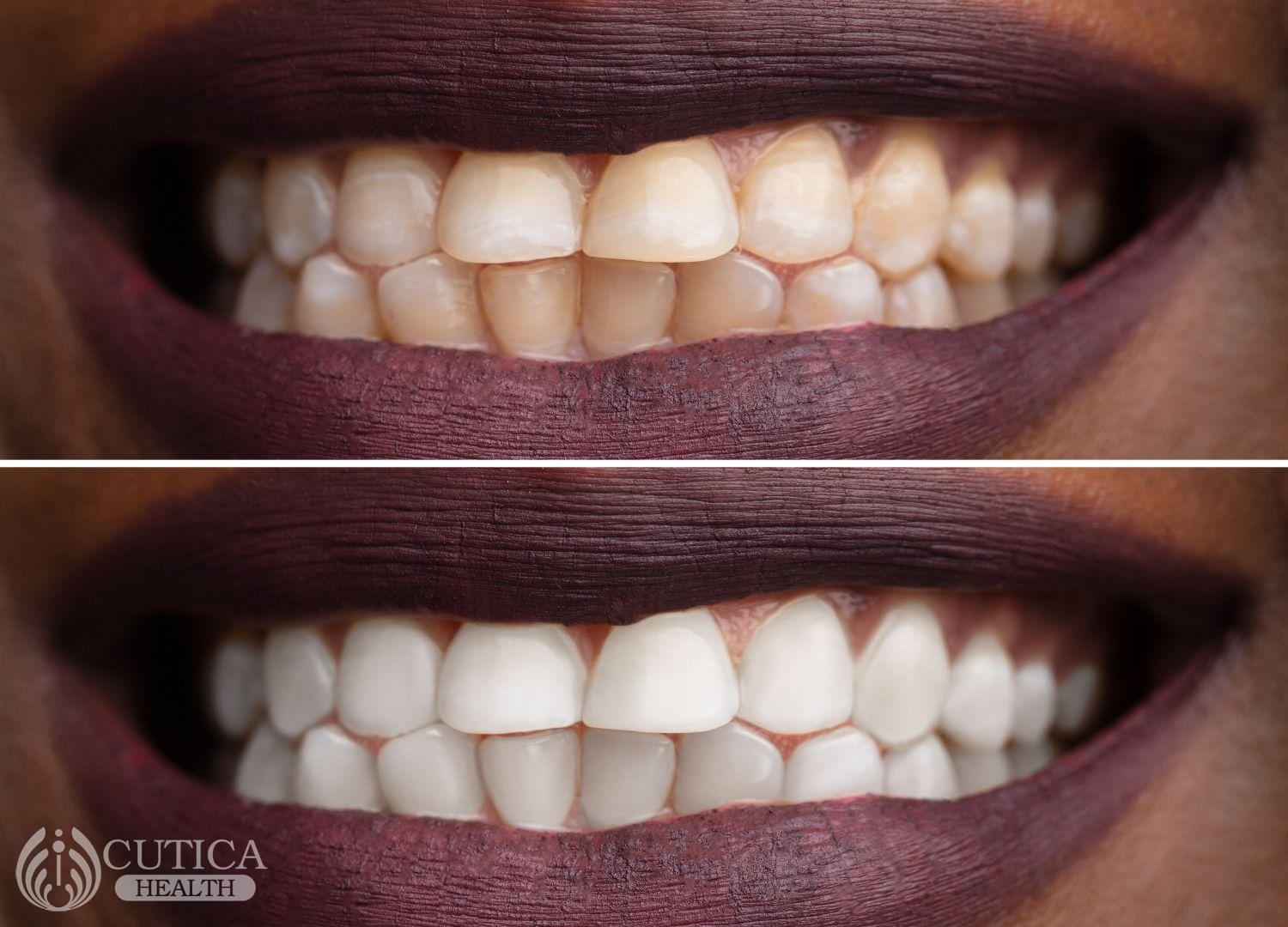
What You Should Know about Teeth Whitening
1. Your teeth colour is genetically pre-determined
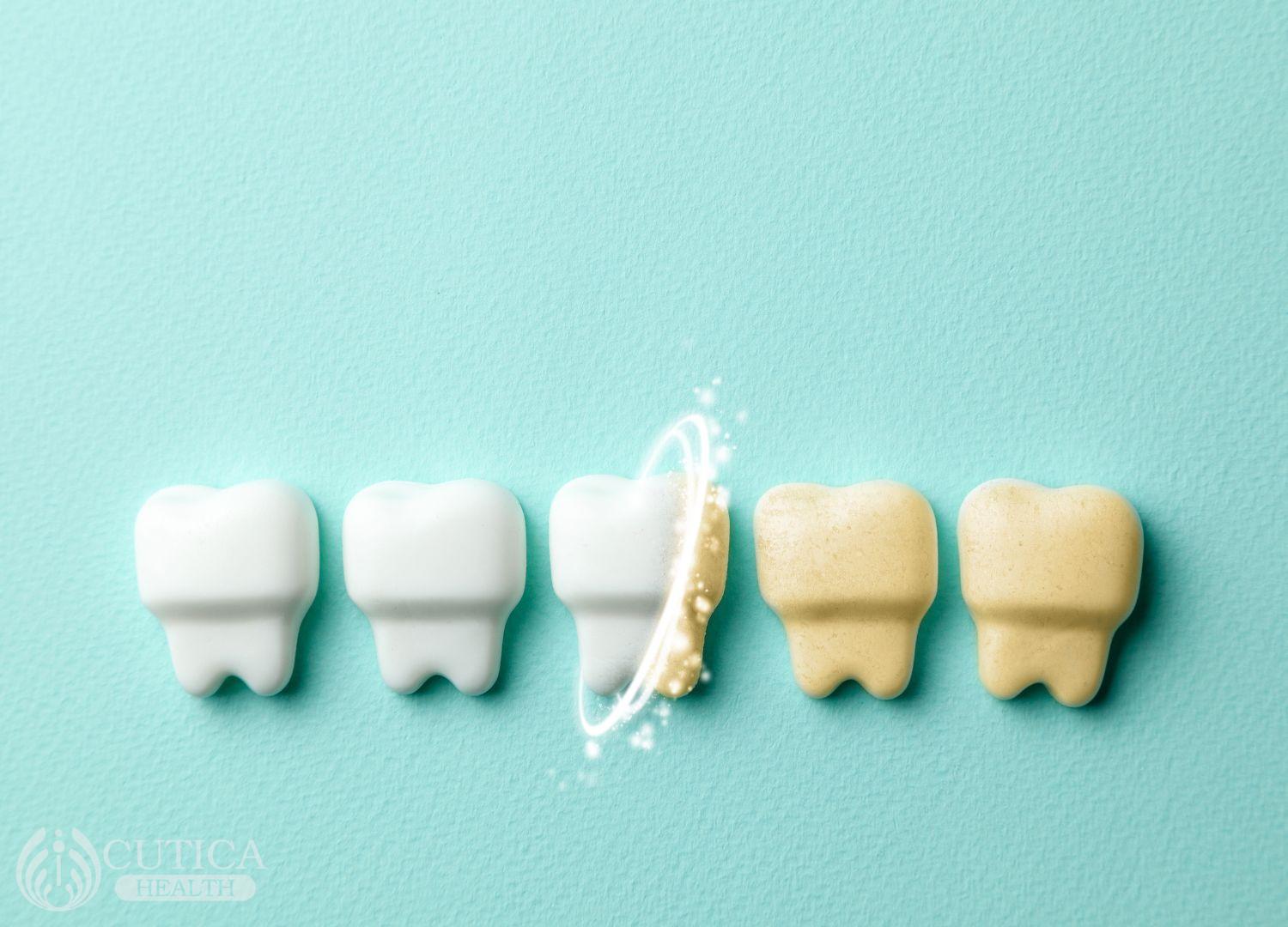
The colour of your teeth, like your eyes, is determined through the genes you inherit from your parents and cannot be drastically altered by whitening them. The procedure only helps to remove stains that have accumulated on your teeth over the years.
2. Your teeth can absorb things
The enamel is said to be the hardest substance in the body, but it is also lined with pores that permit the entry and exit of substances. This is how your teeth get stained and also get whitened.
3. Whitened Teeth do not last a lifetime
Every good thing has an end, and so do whitened teeth, that is unless they are touched-up during professional sessions. To get long-lasting results, the procedure should be repeated as advised by your dentist.
4. Multiple sessions are required
Whitening your teeth requires consistency, especially in heavily stained teeth; do not expect sparkling white teeth after a single session. The stains took some years to accumulate and would also require a couple of sessions for them to be removed.
5. Experiencing sensitivity after the procedure is common
Due to the dehydration that the procedure causes, the nerves in your teeth are exposed to temperature changes that result in sensitivity. This is normal and you may continue to experience tooth sensitivity for about 36 hours after the procedure.
6. Ensure you’re a good candidate
Not everybody should have their teeth whitened. If you have gum disease, teeth sensitivity, or still have baby teeth in your mouth, you should avoid the procedure. Pregnant or lactating mothers should seek professional advice before undergoing the procedure.
7. Take proper care of your whitened teeth
You should avoid substances that stain the teeth to lengthen the effects of teeth whitening. Stop tobacco use and consult your dentist on the necessary dietary change you need so as not to get your teeth stained.
The question was stuck in Sadia’s head as she drove out of the parking lot of her dental clinic. “How can my teeth be decaying with all the brushing I have done?”
Sadia had earlier gone in for her regular dental appointment with shoulders held high in anticipation of her dentist's usual accolades about her meticulous oral hygiene but was sorely disappointed this time. He informed her of a pin-point hole that was forming on her last tooth. Upon further probing, she realized that the switch she made from her usual toothpaste brand to a less expensive one could have been the cause.
What Is Fluoride?
When you eat food, it’s not only for enjoyment and quenching of hunger, you also need minerals to nourish and replenish your body. Among these minerals that your body requires is Fluoride. It can be found naturally in fruits like grapes and raisins and also potatoes. Fluoride is often added to public water sources.
Why Is It Useful?
Fluoride is the dentist’s best friend. This is because it helps stop the process of tooth decay through restoration of the outer layers of the teeth. Throughout the day, there is a struggle between things that cause tooth decay such as bacteria and refined sugar, versus factors like fluoride, calcium, and phosphate that prevent tooth decay.

Forms of Fluoride
Fluoride from routine food intake may not be sufficient to prevent tooth decay in individuals that consume a high amount of refined sugar. Fluoride can also be applied onto the teeth using the right toothpaste. The importance of fluoride in toothpaste cannot be overemphasized. Not only does this mineral help to stop the process of tooth decay from the initial stage, but it can also prevent eventual loss of tooth. It cannot, however, close already formed holes in the teeth.
A dentist can also apply fluoride on the teeth using a varnish, gel or foam that contain a higher amount of fluoride than toothpaste and can either be directly coated onto the teeth or applied using a specialized spray. The fluoride film is left on the teeth for less than 4 minutes, after which it is rinsed off. Other forms of fluoride include supplements prescribed as tablets or rinses under specific conditions.
Who Needs Fluoride the Most?
Caution
Though the benefits of fluoride are numerous, it can also be hazardous at toxic levels, which differ based on your weight. It is, therefore, necessary to consult your dentist to know if you are a candidate for additional fluoride therapy. Symptoms of fluoride toxicity tend to occur mostly in children as they can be tempted to swallow lots of toothpaste, due to its pleasant taste. It is important to:
-Use toothpaste without flavours to discourage swallowing in children.
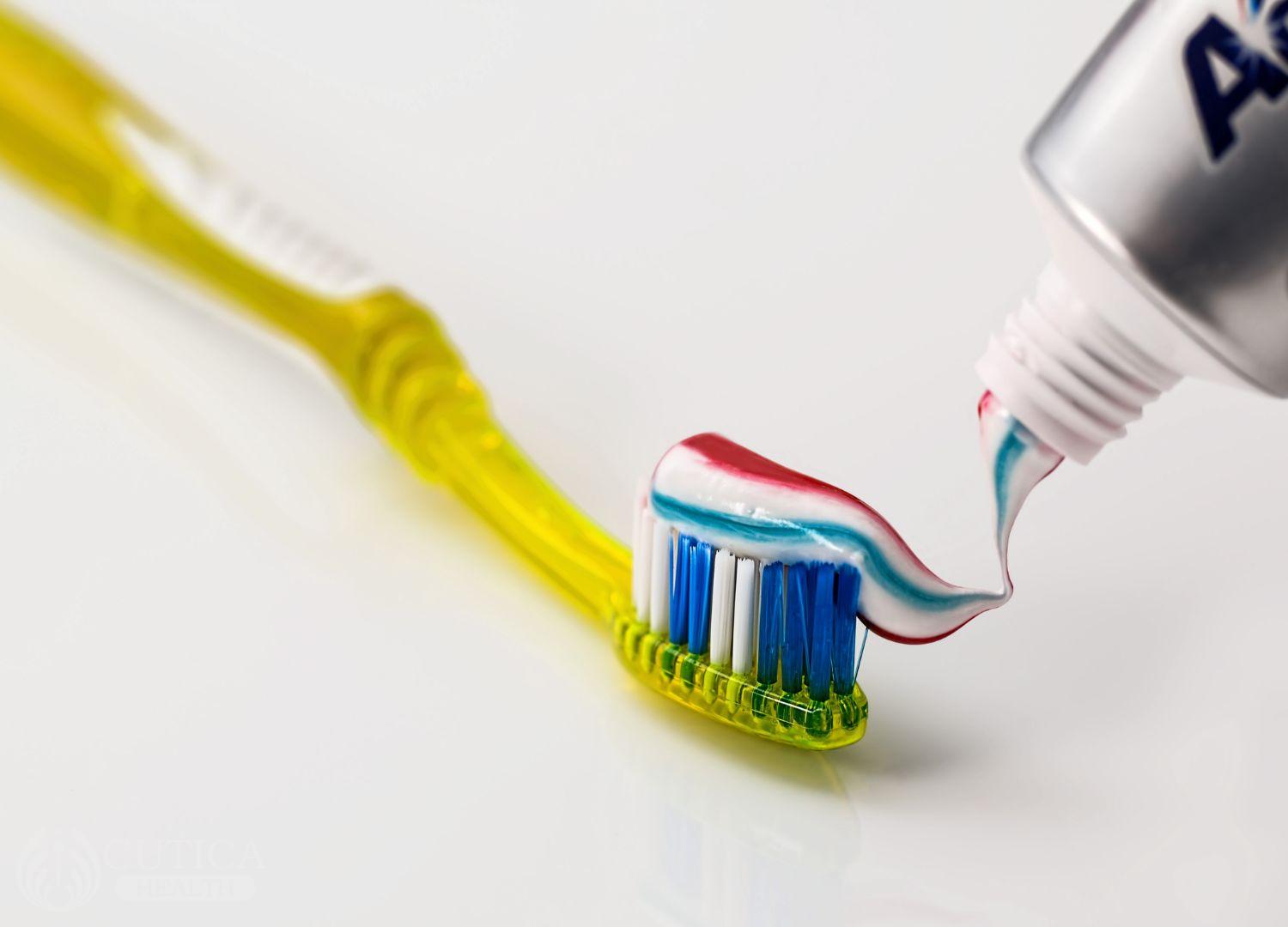
-Use only a small (pea-sized) amount of toothpaste.
-Keep fluoride rinses and tablets away from the reach of children.
Conclusion
Fluoride has many benefits. Check if your toothpaste contains a good amount to avoid more expensive dental treatment in the future.
Peak health involves more than a fit body, you must also have a fit mind. Your mental health is as important as your physical health and you must take steps to protect it. You want to keep your mind healthy so that you can cope with the daily stress of living.
Safeguarding your mental health is a lot easier than you think.
Just try these easy tips:
Try a nature bath
Being in a natural environment is always very relaxing. Research has shown that simple activities like taking a walk or just enjoying the fresh air in a quiet spot can help to relieve stress.
In fact, the Japanese carry out as a technique for maintaining and improving mental health. The sounds, smells, sights, and textures create a holistic grounding experience that helps to calm the mind.
Develop healthy coping mechanisms
When you are going through a difficult time, how do you deal with it? Do you power through, turn to friends/family for support, or use alcohol and psychoactive drugs as a crutch for coping?
You may try to block out difficult times with drugs or alcohol but they only offer temporary relief and may create lasting problems (strained relationships, physical and mental health issues) for you in the future. You are still left with all your problems once the high these substances produce wears off.
If you have been doing this, try to find other ways of coping with mental stress. A good tip is talking to someone about it. This could be a friend, family member, therapist, or a trusted religious figure.
Also try replacing the habit with a different one. "I feel stressed, instead of binge-eating, I will go for a walk." " I feel drained, instead of using alcohol, I will call my friend."

Take care of your physical health
Good mental health is intertwined with good physical health. If your body is in a bad place, your mind is going to be troubled.
Create time for the things you love: find time to read a book, go swimming, play games, cook your favorite meal, watch a movie, listen to music. Just do things that make you happy.

Have a social media detox
Social media is an extremely useful tool for communication and staying updated with world events, but it can also drain your mental health.
There's a constant rush of information, both good and bad, that you are constantly exposed to. There are also the comparisons you make whenever you see people with their perfect lives, jobs, and constant achievements. Your life seems dull and your achievements meaningless in the face of all that.
Try to spend more time off social media than on it. Schedule in a day where you don't go online at all. Tailor your feed/timeline to only show things you enjoy.