Categories
Uncategorized

Low Testosterone in Men

Timothy noticed he was no longer having any sexual interest in his wife. Sometimes he even avoids going to bed at the same time with her so that he can avoid having to say no to her again. He just had his 59th birthday last week and is very active, drives himself, and occasionally walks around the estate for exercise. However, he noticed he is no longer interested in intimacy as he used to be when he was younger. 

What is testosterone?

Testosterone is a vital hormone responsible for various physiological functions in men, including the development of male reproductive tissues and the maintenance of muscle mass and bone density. Low testosterone, also known as hypogonadism, is a condition that affects a significant number of men, especially as they age. It happens when testosterone levels are below what is normal for men in that age group.

What are the causes of Low Testosterone in Men?

Several factors can lead to low testosterone levels in men. These factors vary from person to person and may sometimes be more than one in a person with each factor contributing to low testosterone.

a) Aging: As men grow older, their testosterone production naturally decreases, leading to lower levels of the hormone.

b) Medical Conditions: some medical conditions can impact testosterone production.

c) Injury or Infection: Testicular injury or infections can disrupt the production of testosterone.

d) Chronic Illness: Serious illnesses like kidney and liver disease can contribute to low testosterone levels.

e) Medications: Some medications, including opioids and corticosteroids, may affect hormone production.

What happens when one has low testosterone? 

Identifying the symptoms of low testosterone is crucial for early detection and to prompt seeking professional help.

Common signs of low testosterone in men include:

a) Reduced Sex Drive: Low libido and decreased interest in sexual activities.

b) Erectile Dysfunction: Difficulty achieving or maintaining an erection.

c) Fatigue: Persistent tiredness and lack of energy.

d) Loss of Muscle Mass: Decreased muscle strength and size.

e) Increased Body Fat: Accumulation of fat, particularly around the waist.

f) Mood Changes: Irritability, depression, and a decrease in overall well-being.

g) Decreased Bone Mass: Increased risk of osteoporosis and fractures.

How is Low Testosterone diagnosed?

If a man experiences symptoms of low testosterone, a comprehensive evaluation by a healthcare professional is necessary. The diagnosis involves:

a) Medical History: Discussing symptoms and medical history to identify potential risk factors.

b) Physical Examination: A thorough physical examination to check for any visible signs of low testosterone.

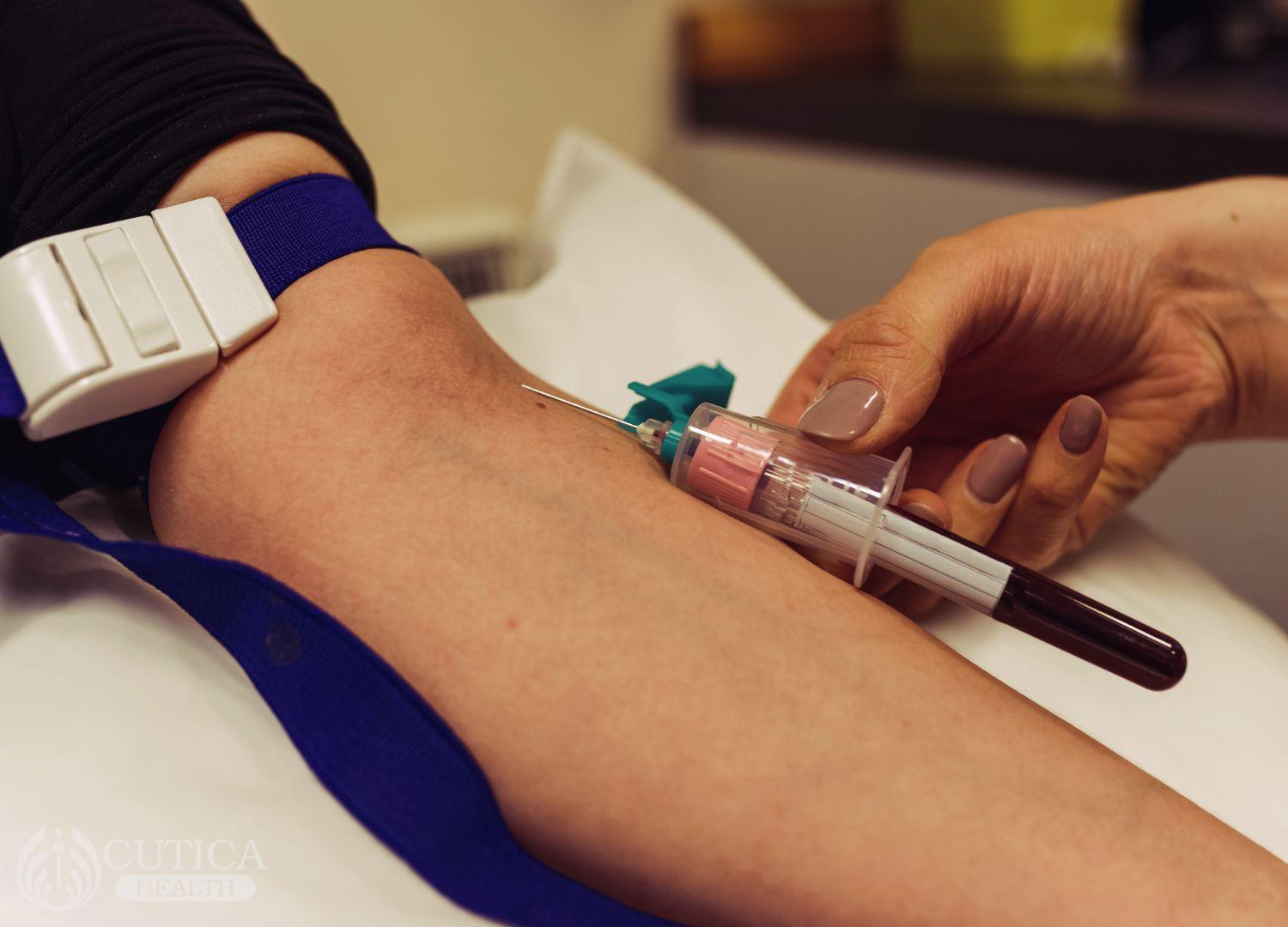
c) Blood Tests: Measuring testosterone levels through a blood test to confirm the diagnosis.

What are the treatment options?

Effective management of low testosterone can significantly improve a man's quality of life. Common treatment options include:

a) Testosterone Replacement Therapy (TRT): TRT involves the administration of testosterone through gels, patches, injections, or pellets to restore normal hormone levels.

b) Lifestyle Changes: Adopting a healthy lifestyle, including regular exercise, a balanced diet, and sufficient sleep, can positively impact testosterone levels.

c) Stress Management: Reducing stress and anxiety levels can aid in hormone regulation.

d) Medication Adjustment: If low testosterone results from specific medications, adjusting or discontinuing them may be necessary.

What to do for men having low testosterone?

Before pursuing any treatment, it's essential for men with suspected low testosterone to:

a) Consult a Healthcare Professional: Only a qualified healthcare provider can diagnose and recommend appropriate treatment.

b) Discuss Potential Risks and Benefits: Understand the potential side effects and benefits of treatment options.

c) Regular Monitoring: Regularly monitoring testosterone levels during treatment to adjust the approach if needed.

Conclusion

Low testosterone is a common condition affecting men, and recognizing its symptoms and seeking timely medical advice is crucial. With appropriate diagnosis and treatment, men can manage low testosterone and improve their overall well-being, allowing them to lead a healthy and fulfilling life. As with any medical concern, always consult a healthcare professional for personalized advice and treatment plans.

Categories
Uncategorized

Diphtheria Vaccination

John recently read in the news that there was a diphtheria outbreak in some parts of Nigeria, with 557 confirmed cases in 2023. His friend told him he heard there was a vaccine for diphtheria, but that only children could benefit from it. John didn’t think so and decided to see his family physician for advice.  

What is Diphtheria?  

Diphtheria is caused by the bacterium  Corynebacterium diphtheriae . Diphtheria is highly contagious. Toxins produced by the bacteria cause inflammation and swelling of the throat, difficulty breathing, difficulty swallowing, and choking. The toxin also damages the heart and essential nerves. Diphtheria was once a leading cause of death worldwide.

Why is Diphtheria Vaccination Important?  

Thanks to the development of effective vaccines, diphtheria has become rare in parts of the world where diphtheria vaccination is widely available and used. However, diphtheria outbreaks continue to occur in communities with low vaccination rates.  

Herd immunity: Vaccination against diphtheria not only protects individuals but also helps create herd immunity. Herd immunity is when a significant portion of the population is protected from an infection, such as diphtheria. Once there is herd immunity, it becomes harder for the infection to spread. It is generally better to achieve herd immunity through vaccination.  

Diphtheria vaccines are often combined with other vaccines to protect against multiple diseases in a single shot. Common combinations include DTaP (diphtheria, tetanus, and pertussis) for children and Tdap (tetanus, diphtheria, and pertussis) or Td (tetanus and diphtheria) for adolescents and adults. The common combination in Nigeria is diphtheria, pertussis, tetanus, polio, and measles and is called the Pentavalent Vaccine.  

How are Diphtheria Vaccines Scheduled?  

Children: The vaccination schedule for diphtheria begins with vaccinating a child with pentavalent vaccines containing diphtheria, pertussis, tetanus, hepatitis B and Haemophilus influenza type B vaccine. This vaccine combination is given at week six, ten and fourteen as well as at 15-18 months. After that booster doses can be administered between ages 4-7 years.

Adolescents and adults: Adolescents who have completed the childhood series can receive a booster shot called Tdap between the ages of 11 and 12. For adults, a single booster shot of Td is recommended every ten years.   

Are Diphtheria vaccines safe?  

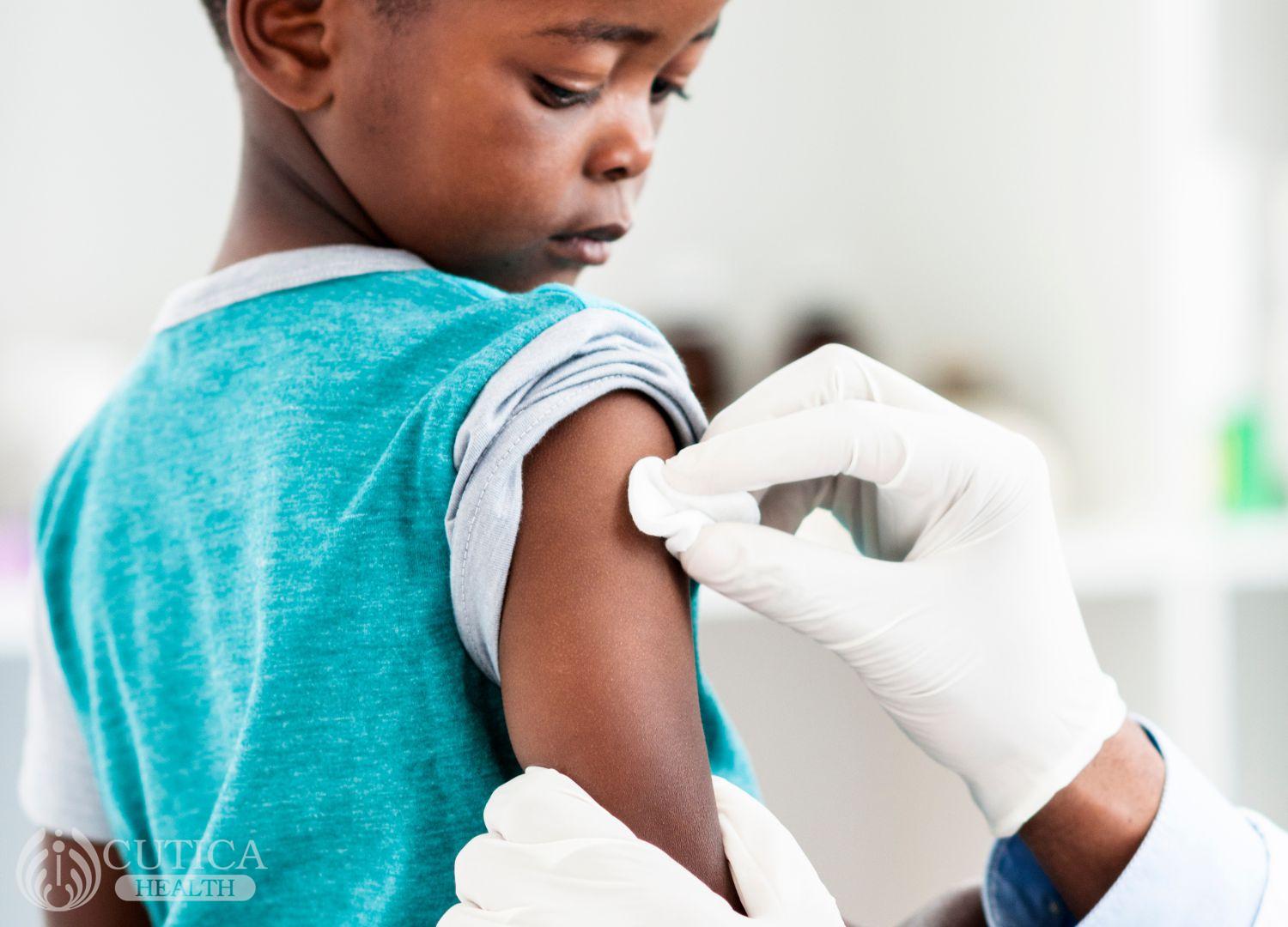
Diphtheria vaccines are safe. Common side effects include redness or swelling at the injection site, mild fever, and fussiness in children. Serious side effects are rare.  

Conclusion  

Diphtheria vaccination is a vital measure in preventing the spread of this dangerous bacterial infection. By getting vaccinated and following the recommended schedule, you can protect your loved ones, yourself, and the community at large. Remember, prevention is the key.  

Categories
Uncategorized

THE POWER OF DISCLOSURE: DON’T SUFFER ALONE

“Alina has been struggling with night terrors for a while. She tried to explain to her sister that they were not just bad dreams, but she did not understand. Since then, Alina has been keeping her night terrors a secret to avoid being misunderstood, and it’s been weighing her down. She wished she had someone to talk to, who would understand.” 

Disclosure, also known as self-disclosure, is an essential component of human relationships. It refers to the process of sharing information about yourself with other people, either intentionally or unintentionally. People share a variety of information when conversing with others. This information can be superficial, such as your favourite food, or very personal, such as your deepest fear. Your body language, posture, clothing, and attitude also tell other people about you.  

Disclosure allows you to build trust, rapport, and a strong relationship with other people. When you keep things a secret, it affects the quality of relationships you can build with other people, and you suffer alone through problems that could be shared. 

Disclosure can help you in various ways. Here are some examples:

Developing a support system

There are few things as nice as having somebody who understands exactly what you are going through, who won’t judge you for it.  In order to earn this kind of acceptance, you have to open up to someone about your challenges. When you disclose important information with other people, they are able to understand what you are going through and will be more likely to help when they can. For instance, if you disclose that you struggle with moderating your alcohol use to a friend, she might also reveal that she also has the same problem. She might share the resources she uses to stay sober and might say you can call her whenever you are struggling. She, thereby, becomes a key source of support for you.  

Relieving the burden of guilt and shame

You are often more critical of your struggles than other people tend to be. Keeping certain aspects of yourself secret can be stressful, tiring, and it may induce feelings of shame and guilt when others open up to you. Disclosing thoughts and events that have been burdening you can be a cathartic experience. You feel free, loose, and relieved. You will also find that the things you struggle to forgive yourself for may become trivial when you share them with someone else. 

Building self-worth and confidence 

When you feel like you have something to hide from others, it affects how you behave. You may isolate yourself to avoid anyone getting too close or refuse to speak about yourself when other people are sharing stories. Over time, these actions can negatively impact how you feel and think about yourself. However, research has shown that people who self-disclose tend to be more confident and happier. As you share thoughts that burden you,  you come to terms with difficult emotions, and you gain acceptance and understanding of yourself. 


Conclusion 

Disclosure, or self-disclosure, is the act of revealing personal information about yourself to others. Disclosure is important when building relationships with friends, co-workers, intimate partners, and even family members. However, it can be difficult. Don’t rush into it, and make sure you disclose very personal information only to people who can be trusted. Start with superficial information such as your favourite food, colour, or hobbies. As with everything else, just keep practicing until you are perfect.


Categories
Uncategorized

Whooping Cough

Barakat noticed her infant son was coughing about two days ago. She bought some over-the-counter cough syrup, hoping the cough would subside after using the drugs. But last night was horrible, as her son did not sleep a wink. His cough was so bad that he looked like he was losing his breath. She noticed that he would cough so loudly that the whole neighbourhood could hear him, and the cough sounded strange, unlike any other cough she had heard. So, she went to the hospital the following day.

Whooping cough, medically known as pertussis, is a highly contagious respiratory infection that primarily affects infants and young children. While it can be a mild illness in adults, it can pose severe complications for vulnerable individuals. 

Let’s delve into the symptoms, causes, and prevention strategies of whooping cough.

How do I know if my child’s cough could be whooping cough?

Whooping cough typically progresses through several stages. The symptoms resemble those of the common cold in the early stages but become more severe over time. Some initial symptoms include:

a) Runny or stuffy nose

b) Mild cough

c) Sneezing

d) Low-grade fever

e) Fatigue

As the infection progresses, the distinctive whooping sound may occur during coughing fits, accompanied by the following:

a) Rapid coughs in a series

b) Intense and uncontrollable coughing that can last for several minutes

c) Difficulty breathing or catching a breath after coughing

What causes whooping cough, and how is it transmitted?

Whooping cough is caused by the bacterium Bordetella pertussis. It spreads when an infected person coughs or sneezes, releasing infected droplets into the air that are then inhaled by others nearby. 

Infants and young children who have not been fully vaccinated are at the highest risk of contracting the disease.

How do I prevent whooping cough?

a) Vaccination: The most effective way to prevent whooping cough is through vaccination. The DTaP vaccine is given to infants and children in a series of doses. It provides immunity against diphtheria, tetanus, and whooping cough (pertussis). Additionally, adults and adolescents can receive the Tdap booster vaccine to maintain protection.

b) Cocooning Strategy: To protect vulnerable infants who have not completed their vaccination schedule, parents, siblings, and caregivers must be up-to-date with their pertussis vaccinations.

c) Good Hygiene Practices: Frequent handwashing, covering the mouth and nose while coughing or sneezing, and avoiding close contact with individuals showing symptoms of respiratory infections can help reduce the risk of transmission.

d) Early Diagnosis and Treatment: Prompt diagnosis and treatment of whooping cough are essential to prevent complications and reduce the spread of the disease. If you suspect you or your child have whooping cough, consult a healthcare professional for diagnosis and appropriate management.

What can happen after whooping cough?

While whooping cough can be mild in some individuals, it can lead to severe complications, especially in infants and young children. Potential complications may include:

a) Pneumonia

b) Ear infections

c) Seizures

d) Brain damage from lack of oxygen during coughing fits

e) Weight loss and malnutrition in infants

Conclusion

Whooping cough is a highly contagious respiratory infection that requires attention and preventive measures, particularly in infants and young children. Vaccination, good hygiene practices, and early diagnosis are necessary to prevent the spread of the disease and reduce complications. 


Categories
Uncategorized

Syphilis in Women

Nwachukwu was surprised when his pregnant wife told him her doctor wanted to see him. She said her antenatal test showed she had syphilis, and that he was also supposed to be treated. She also said her doctor raised the possibility that their baby may be affected. The mention of possible harm to the baby was all the encouragement Nwachukwu needed to see the doctor that week.

What is syphilis?

Syphilis is a sexually transmitted infection caused by the bacterium, Treponema pallidum.

While syphilis can affect both men and women, there are additional risks during pregnancy. When left untreated, syphilis is responsible for more than 200,000 stillbirths and early foetal deaths every year. It also results in the death of over 90,000 newborns every year.

How does syphilis affect women?

Syphilis infection in women, as in men, can be divided into three stages, with each stage presenting different symptoms and complications. The first stage, known as primary syphilis, presents as painless sores or ulcers on the genitals. These ulcers may be singular or multiple, and they usually go unnoticed.

When primary syphilis is left untreated, it goes through the secondary and then the latent stage. It can then lead to tertiary syphilis. Organ damage, neurological disorders, and even death could result from untreated syphilis.

How does syphilis affect pregnant women?

Pregnancy presents a unique challenge. This is because the infection is transmissible to the foetus via the placenta. When this happens, it is called congenital syphilis and has severe effects on the foetus. It can lead to premature births, stillbirths, or severe health complications in newborns if left untreated. These effects are common in low-income settings where access to prenatal care and services is limited. It is said that syphilis testing is low in Africa, despite tests being cheap and quick. Have you been tested?

What happens when an unborn child is infected with syphilis?

An unborn child is infected with syphilis when an infected mother passes the bacterium to her unborn child. This infection can then spread to multiple organ systems in the foetus, causing serious complications. These complications range from deformities (tooth abnormalities), developmental delays, neurological disorders (deafness), and even foetal or neonatal death. These complications are preventable because syphilis can be easily treated. Unfortunately, syphilis has been rising globally while screening and treatment of pregnant women remain inadequate.

How can syphilis in pregnant women be prevented and controlled?

To combat congenital syphilis, syphilis in both non-pregnant and pregnant women must be addressed. Prevention and prompt treatment are key to achieving this.

Prenatal Screening: Routine screening for syphilis in pregnant women is crucial, especially early in pregnancy. Timely identification and treatment of infected mothers can prevent congenital syphilis. This screening is offered during antenatal clinics. 

Partner Screening and Treatment: To break the transmission cycle of syphilis, it is imperative to test and treat the sexual partners of infected women as well. This prevents reinfection.

Health Education: Educating people about syphilis will raise awareness of the disease and its modes of transmission. This will empower women to take proactive measures to protect their health and that of their children.


Conclusion

Syphilis is still very much around. Sexually active women should be tested for it, particularly during pregnancy. Stay safe, and keep your baby safe.


Categories
Uncategorized

Strengthen Your Mind To Overcome: Procrastination

Daisy has a major assignment due the next Friday; it counts for 40% of her final grade on a core course. She tried to start it on Saturday to give her enough time to complete it, but she just could not focus. Anyway, she could start tomorrow and still complete it on time. Before Daisy knew it, it was Wednesday, and she had not started her assignment. Now she’s panicking and stressed out.

When we procrastinate, we postpone tasks we can easily start or complete in the present to the future. Procrastination is not the same as being lazy. While laziness involves an unwillingness to act, procrastination is an active process where you make the choice to ignore one task in favour of another more pleasurable activity. Research has shown that 95% of people procrastinate to some extent. Although, it’s a common issue, procrastination can affect your ability to meet goals, get good grades, and access work opportunities. Just like Daisy, you eventually feel stressed and panicked as your deadline approaches.


Ready to beat procrastination? Try these tips:


Identify your reasons for procrastinating 

The first step to beating procrastination is finding out why you procrastinate. Is it poor time management or organization skills? Does the task feel overwhelming or too difficult? Do you think the task is boring? Are you a perfectionist who is avoiding the task to avoid a mediocre result? Are you scared that you would fail at it? Think about the places where you procrastinate: at home, in school, with friends, or alone? These are all logical reasons why people procrastinate, and once you identify the reason for your procrastination, then you can start working on it. 


Find ways to counter them

If you have poor time management and organizational skills, don’t rely on your own ability to schedule tasks. Use to-do lists and organization software, such as Notion, to help you plan and organize your day. As soon as a task is received, schedule it, and set alarms for it. 

Fight overwhelming tasks by breaking the task into segments, then completing one segment at a time.  

When doing boring tasks, try to make it fun by listening to music or assigning yourself a reward when you complete the task. If you are a perfectionist, you are your harshest critic. Try to start on the task and have a trusted person check it out for you. You will be surprised at how well you are doing. If you find that you procrastinate at home, try to work outside your house. If you procrastinate when working alone, get started on tasks when others are working so you stay motivated.  


Set SMART goals

When faced with a task, you might give yourself a vague deadline to complete it. But this is usually insufficient to keep you motivated. Your goals should be specific, measurable, achievable, realistic, and time-bound. For instance, you could say, “To complete three pages of my assignment each day, I am going to dedicate two hours daily before Thursday.” This goal is more specific (complete three pages of my assignment each day), time-bound (before Thursday), achievable (two hours daily), measurable (three pages daily), and realistic. 


Use tried and tested anti-procrastination techniques 

People have been trying to overcome procrastination for a long time, and they have created different strategies and techniques to help them do so. Try different techniques to determine which one works for you and stick to it. Some techniques include:

  • Chunking: instead of approaching the overwhelming task as a mountain to climb, break it down into parts and focus on completing each small part. 
  • Remove distractions: no social media, television, music, pets, etc.
  • Start with the hardest task: everything else looks simple, once you have completed this.
  • Add visual, physical reminders to your workspace, such as written reminders.


Conclusion 

Procrastination can seem like an easy, temporary way to avoid difficult tasks, but in the long run, it can only lead to problems. Beat procrastination by finding out why you procrastinate and taking steps to counter the reasons. It’s not a one-step journey, but we are confident that you can do it!


Categories
Uncategorized

Jock Itch

Sam is known to be a great footballer and a prolific goal scorer. He is always a delight to watch on the pitch. But Sam struggles with an itch in his groin that just will not go away. It continues to itch even when he sleeps. He notices he feels worse after playing football.

What is jock itch?

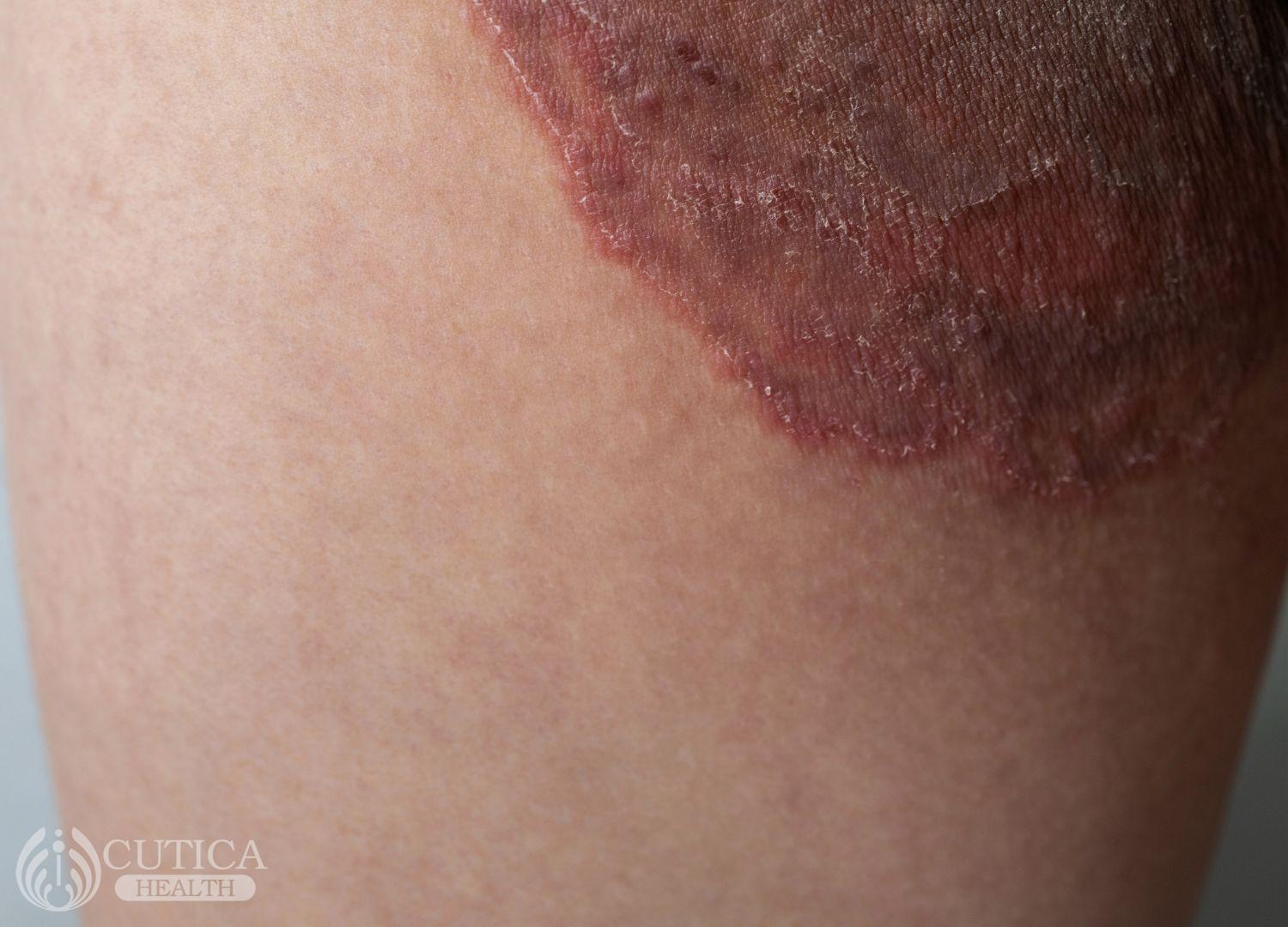
Jock itch, also known as tinea cruris, is a common fungal infection that affects the groin area. This causes discomfort and itching because of the irritation from the infection. Jock itch is caused by a group of fungi called dermatophytes. It is contagious and can be transmitted from person-to-person by skin-to-skin contact or by contact with contaminated clothing or towels.

This fungus thrives in warm, moist areas such as the groin, inner thighs, and buttocks. People who sweat excessively or wear tight-fitting clothing are at an increased risk of suffering from jock itch. Also, poor personal hygiene, sharing contaminated items, and a weakened immune system increase the chances of suffering from jock itch.

How do I identify jock itch?

The symptoms of jock itch are simple to recognise and can prompt seeking medical care. Common signs include:

  • Intense itching: The groin and other affected areas may feel intensely itchy, leading to a strong urge to scratch. This urge can become socially awkward and lead to embarrassment.
  • Redness and irritation: The skin in the groin region becomes red and inflamed and may appear scaly or cracked. This usually follows continuous itching.
  • Rash: A raised, circular rash with defined edges can develop, spreading outward from the groin area.
  • Burning sensation: Discomfort and a burning sensation are often experienced, particularly during physical activity or sweating.

How do I manage jock itch?

# 1. Maintain proper hygiene

Keep the affected area clean and dry. Use a mild, fragrance-free soap and lukewarm water to cleanse the area. Gently pat the area dry with a clean towel, ensuring no moisture remains. Change into clean, loose-fitting underwear and avoid wearing damp or sweaty clothing.


#2. Topical antifungal creams

Over-the-counter antifungal creams, such as clotrimazole or miconazole, are often effective in treating jock itch. Apply the cream to the affected area as directed on the packaging. Continue treatment for the recommended duration, even if symptoms subside. Seek medical advice when symptoms persist.


How do I prevent jock itch?

  • Wear loose-fitting underwear made of breathable fabrics like cotton to reduce moisture and friction.
  • Change out of wet or sweaty clothes promptly, especially after exercise or sports activities.
  • Avoid sharing personal items such as towels, clothing, or athletic equipment to minimize the risk of infection.


When do I seek medical attention for jock itch?

Most cases of jock itch can be effectively treated at home. However, it is crucial to consult a healthcare professional if:

  • The symptoms worsen or persist despite the use of over-the-counter antifungal agents.
  • The rash spreads to other areas of the body.
  • The affected area becomes excessively painful, swollen, or oozes pus.

Your doctor will perform tests to make sure your immune system is intact and you do not have diabetes.

Conclusion

Jock itch can be an uncomfortable and bothersome condition. By maintaining good personal hygiene and using topical antifungal creams, you can tackle jock itch successfully. Remember, if symptoms persist or worsen, seeking medical attention is essential to ensure proper treatment. 


Categories
Uncategorized

HEALTH BENEFITS OF WALKING

Walking may seem like a very simple activity, and many of us do not recognize how important it is.

You may think you get enough walking; however, studies have shown that a lot of people walk fewer steps than recommended.

Walking is a simple, yet excellent way to improve or maintain your health. 

It is considered the best form of exercise for the elderly, people who are overweight, or those who have not exercised in a long time.

It is beneficial to people of all ages, helps prevent certain diseases, and even improve the general quality of your life.


WHAT ARE SOME OF THE HEALTH BENEFITS OF WALKING?

  • Improves Heart Health: Going on regular walks helps to decrease the risk of heart conditions and stroke. Walking, especially brisk walking, has been shown to reduce the risk of serious heart diseases by up to 19%. It does so by strengthening the heart muscle and lowering blood pressure. 


  • Control of Blood Sugar: Brisk walking helps to lower your blood sugar level and improve how well your body uses insulin, which is a problem in people with high blood sugar. Going on a short walk after eating helps to reduce blood sugar levels.


  • Helps Maintain Healthy Body Weight:

People who are overweight can benefit from walking. This physical activity, if done for about 30 minutes daily or on most days, is a very effective weight loss technique as it helps burn calories. Walking regularly also ensures the new weight is maintained.


  • Improves Mental Health: Walking, especially when done outside, positively impacts a person's mental health. Walking in parks and through nature has been shown to boost creativity. The increased flow of blood to the brain and body decreases stress levels and can also improve sleep. It also decreases anxiety, depression, and boosts self-confidence.


  • Decreases Joint Pain: People who suffer from arthritis can benefit from walking, as it helps protect the joints and strengthen the muscles that provide support to the joints.


  • Improves The Body's Immunity: People who walk regularly, compared to those who lead sedentary lives, have a decreased risk of falling ill and when they do, their symptoms are less severe.


  • Increases Your Energy Level: If you are tired and need a quick energy boost, going for a walk can help energize you as this activity increases the release of hormones, such as cortisol, epinephrine, and norepinephrine, which boost energy levels.


WHAT IS AN EFFECTIVE WALK?

Any type of walking can have a positive impact on your general health.  However, there are some recommendations to help make walking more effective. Brisk walking or power walking for about 30 minutes per day or on most days is most effective in helping to improve your health and maintain good health.

In brisk or power walking, you are able talk, but you’ll find it difficult to sing. If you can sing while walking, your walk is not that brisk. If your goal is to lose weight, more calories can be burned walking up a slope than on a flat surface.


SUMMARY

Walking is an activity that can be incorporated into our daily lives. Sedentary lifestyles have contributed to a lot of chronic illness and deaths. The body requires activity, and walking provides a wide range of health benefits. During bad weather, walking can be done indoors on a treadmill. To get the best experience, prepare yourself by getting shoes with good foot support, wearing comfortable clothes, and staying hydrated. Also, remember to wear sunscreens, and walk in areas that are safe and where you can be easily seen by vehicles.


Categories
Uncategorized

HEY THERE! HOW’S YOUR A1C?

Do you know what your blood sugar has been lately? If you’ve been diagnosed with high blood sugar, but have no idea what your A1c is, that needs to change.  

While it is important for everyone to know what their baseline blood sugar is by regularly testing it, the A1c test is vital for people who have been told they have prediabetes or diabetes.  

WHAT IS A1C TEST AND WHAT DOES IT DO?  

This test, otherwise known as haemoglobin AIC (HbA1C), is a blood test that is used to look at how your blood sugar has been over the past 3 months. It gives an average value of your blood sugar over 3 months, and it is commonly used to diagnose diabetes and prediabetes. It is also used to monitor treatment and how well-controlled your blood sugar is, as a high A1C level is associated with several complications.  

The test works by measuring the amount of sugar that is attached to a protein in your blood known as haemoglobin. There is a normal amount of sugar that should be attached to haemoglobin; however, this level is higher in people with too much sugar in their blood.  

WHO NEEDS AN A1C TEST?  

It is recommended for everyone with diabetes or prediabetes. It is also recommended that adults who are 45 years or older, and people with conditions that put them at a higher risk for diabetes, such as being obese or overweight should check their A1C levels.  

WHAT SHOULD YOU KNOW BEFORE YOUR AIC TEST?  

This test does not require fasting, meaning it is okay if you have eaten before this test. It can be done at any time of the day.  

During the test, a blood sample is collected. The sample is analysed in the lab, and you will be told when to return for your results.  

INTERPRETING YOUR A1C RESULT  

Normal Result  

Less than 5.7%  

Prediabetes  

5.7% to 6.4%  

Diabetes  

6.5% or higher  

Close monitoring with the help of A1C can help prevent diabetes-related complications, as it helps your doctor make important decisions regarding your management.  

CAN AN A1C RESULT BE FALSE?  

While this test is pretty accurate, there are some factors that can lead to a false report. Some of these are;  

Pregnancy.  

  • Kidney and liver diseases.  
  • Severe Anaemia  
  • Recent blood transfusion.  
  • A different type of haemoglobin  
  • Some medications  

WHAT SHOULD BE YOUR A1C GOAL?  

If you have been diagnosed with diabetes, it is important to work with your doctor and set an A1C goal for yourself. While this can depend on factors like your age and the presence of any underlying medical condition, the recommended A1C goal for most people with diabetes is 7% or lower.  

HOW OFTEN DO YOU NEED THE TEST?  

People with diabetes should have an A1C test at least twice a year, and once a year for those with prediabetes.  

If you have prediabetes, you’re at a higher risk of developing diabetes and heart diseases. Most people with prediabetes are counselled on food and lifestyle modifications to prevent sliding to full diabetes.

SUMMARY  

A1C test serves several purposes: it is used to diagnose prediabetes, diagnose diabetes, and monitor treatment in diabetic patients. If you have prediabetes, diabetes, or any of the risk factors discussed, speak to your healthcare provider about this test and know your A1C!  

Categories
Uncategorized

Deep Vein Thrombosis (DVT): A Dangerous Cause of a Painful Calf

Jessica noticed her left leg was swollen after waking up this morning. When she touched it, she discovered it was tender. She had just arrived home last night after a long journey by road from Abuja to Akwa Ibom. She came to attend the wedding ceremony of a friend. She reasoned that the leg swelling was due to prolonged sitting on the road trip and joined the wedding celebrations.

A few hours later, she noticed she could not breathe properly. She thought it might have been the stress of the journey and the wedding preparations. But her breathing only got more difficult, and she had to be taken to the hospital, where diagnoses of DVT and PE were made. 

What is DVT?

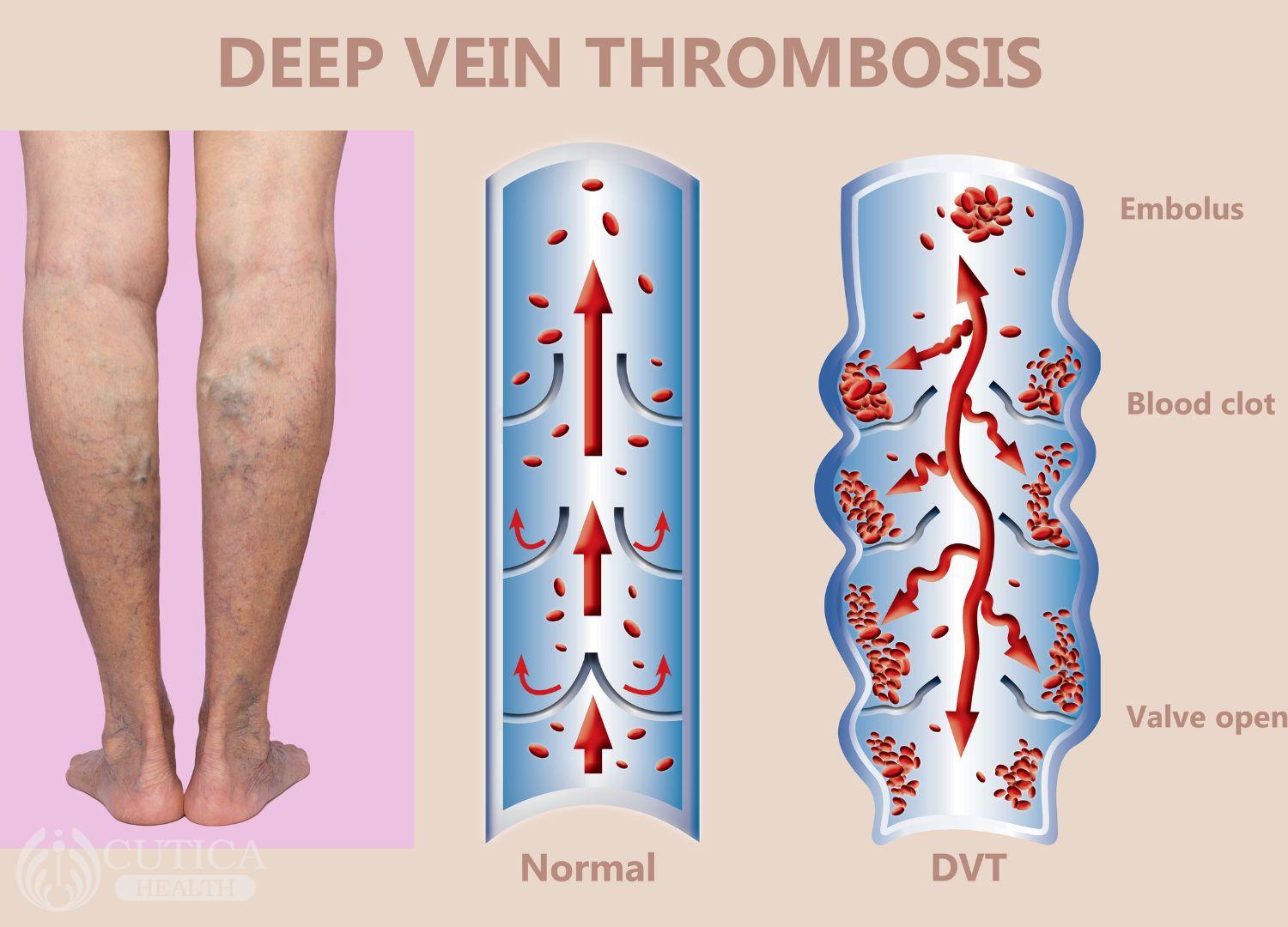
Deep Vein Thrombosis (DVT) is a serious medical condition caused by the formation of blood clots in deep veins. It is most common in the calf.

How and why does DVT occur?

DVT is typically caused by prolonged pooling or stagnation of blood in the veins. 

Prolonged periods of immobility, such as during long-haul flights or bed confinemend during a illness or after surgery, increases the risks of DVT. Other contributing factors including smoking, obesity, pregnancy, hormonal contraceptives, inherited clotting disorders, and certain medical conditions.

What are the dangers of a DVT?

Although DVT may present with mild symptoms, such as pain, swelling, and warmth in the calf, it can lead to life-threatening complications. One of the major dangers associated with DVT is pulmonary embolism, commonly called PE. PE occurs when the blood clot in a DVT breaks loose and travels to the lungs, blocking the blood supply to parts of the lung, and leading to severe difficulty breathing, chest pain, or even death. Prompt medical intervention is crucial.

Additionally, DVT can cause long-term complications. Chronic venous insufficiency, a condition where the damaged veins struggle to efficiently return blood to the heart, can result from DVT. This can cause swelling, pain, skin discoloration, and ulcers in the affected limb. Post-thrombotic syndrome, characterized by persistent pain, swelling, and skin changes, is another common complication. These complications can reduce an individual's quality of life, highlighting the importance of early detection and treatment.

What do I do if I suspect I have a DVT?

Prompt recognition of the symptoms and risk factors of DVT is essential for timely intervention. Seek medical attention immediately if you have persistent calf pain, tenderness, swelling, or redness, especially if accompanied by shortness of breath, chest pain, or coughing up blood.

Medical professionals employ various diagnostic methods to confirm the presence of DVT, such as ultrasound, venography, and blood tests. Early treatment primarily focuses on preventing the clot from growing and reducing the risk of complications. Anticoagulant medications, commonly known as blood thinners, are frequently prescribed to prevent further clotting.

Preventive measures play a vital role in averting DVT

 Regular physical activity promotes healthy blood circulation. Maintaining a healthy weight, avoiding smoking, and staying hydrated are additional lifestyle measures that can minimize the risk of DVT. If you are on a long-distance flight or road trip, take short breaks to stretch out and walk around every 2-3 hours. 

Doctors recommend a promptreturn to physical activity after bed confinement due to surgery. Mechanical devices and medications are used to prevent DVT in hospitalized patients, who have an increased risk of DVT.


Conclusion

DVT is a dangerous condition that can cause a painful calf and lead to severe complications. Recognizing the symptoms, understanding the risk factors, and seeking medical attention promptly are crucial steps in managing DVT effectively. Calf pain and swelling should prompt you to seek medical attention.