Categories
Uncategorized

Neonatal Diabetes: Can Diabetes Happen in the Newborn?

“Can diabetes happen in a newborn?” Jane quizzed the doctor. She had heard from her friend about a baby born with diabetes at the local hospital, and she could not just believe it”

What is neonatal diabetes?

Neonatal diabetes is a rare form of diabetes seen in infants under 6 months. It is typically due to genetic defects in insulin production that predispose the affected newborn to poor glucose (blood sugar) control. 

There are two main types of neonatal diabetes, depending on the duration of the symptoms:  transient neonatal diabetes mellitus and permanent neonatal diabetes mellitus. 

Permanent neonatal diabetes is lifelong, while transient neonatal diabetes resolves, usually before the baby reaches its first year of life. In half of all cases of neonatal diabetes, the condition is transient, while it is permanent in the other half. 

What are the symptoms of neonatal diabetes?

Common symptoms of neonatal diabetes include:

  • Thirst and increased appetite
  • Frequent urination
  • Dehydration
  • Floppy muscles
  • Tremors, shakiness

Left untreated, neonatal diabetes may cause several complications, including:
 

  • Developmental delay
  • Low birth weight
  • Muscle weakness
  • Epilepsy and seizures 
  • Larger than normal tongue

What causes neonatal diabetes, and can it be prevented?

Neonatal diabetes is caused by abnormalities in a single gene that codes for insulin production. If this gene is abnormal, it may prevent insulin production in the newborn, causing impaired sugar control. Because it is a genetic problem, neonatal diabetes is not preventable. 

In most cases, it happens in children with no family history of the disorder.

How is neonatal diabetes treated?

Neonatal diabetes is caused by a genetic defect, so there is currently no cure for it; however, there are medications to reduce the severity of symptoms and the risk of complications. 

These include insulin and oral glucose-lowering medicines. 

Transient neonatal diabetes resolves on its own within a few weeks or months. 

Although neonatal diabetes is a rare form of diabetes, it poses a serious threat to the health and development of affected newborns. It is important to review your newborn’s symptoms with your doctor if you notice anything unusual. 

Categories
Uncategorized

Neck pain: When you should be concerned

“John, you have been complaining about this neck pain for months,” Phillip noted. “I think it's about time you went to see your doctor, this might be more than just pain,” he added.   

Neck pain is one of the most common symptoms people experience. At work, at school, or while we play, we turn the neck from side to side, up and down, all day, every day, and so it is not rare to hear people complain about a sore or stiff neck. However, there are some situations that may call for more attention, situations where neck pain may be a sign of something more serious.

Common causes of neck pain  

Neck pain could be caused by common problems, such as muscle strain, neck injury, and worn joints, which come from everyday activities.   

Common symptoms associated with neck pain include:   

  • Muscle tightness and stiff neck  
  • Headache   
  • Sore shoulder muscles   

Examples of serious conditions that present with neck pain include:   

Severe throat infection: This is usually caused by bacteria. If you have a high fever and throat pain, see a doctor for a full examination.  

Meningitis: This is inflammation of the membrane covering the brain, called meninges. Meningitis is usually caused by bacteria, and it causes severe headache, neck pain or stiffness, and fever. Patients have difficulty moving their heads from side to side, along with other symptoms, such as feeling uncomfortable when exposed to bright light and having a high-grade fever. There may be rashes and vomiting. In children and young adults, meningitis may cause severe complications, such as mental retardation and hearing loss.   

Cancer: Neck pain could be a symptom of cancer in the head and neck region, such as cancer of the throat. These cancers also present with other symptoms, such as difficulty or painful swallowing, bleeding in the mouth, frequent headaches, difficulty speaking, voice changes, weight loss, a visible tumor (mass), and trouble breathing.   

Herniated disk: The backbone or spine is made of individual bones called vertebrae that are separated by soft disks, giving the spine both flexibility and strength. In some situations, these disks could push out of the spaces between the vertebrae and compress the delicate nerves that pass through the spine. Herniated disks can lead to severe pain that radiates down the arm. Other possible symptoms are tingling, numbness, and weakness in the arm, shoulder, or hand. 

So, while there are several common causes of neck pain, including muscle strain, injuries, worn joints, and arthritis, there are red flags that may suggest that the pain is caused by something more serious. Pay attention to these red flags, including recurring fevers, severe headache, weight loss, pain radiating from the neck to the arms and shoulders, weakness of the arms and shoulders, vomiting, neck stiffness, and night sweats. Seek prompt medical evaluation if these occur. 

Categories
Uncategorized

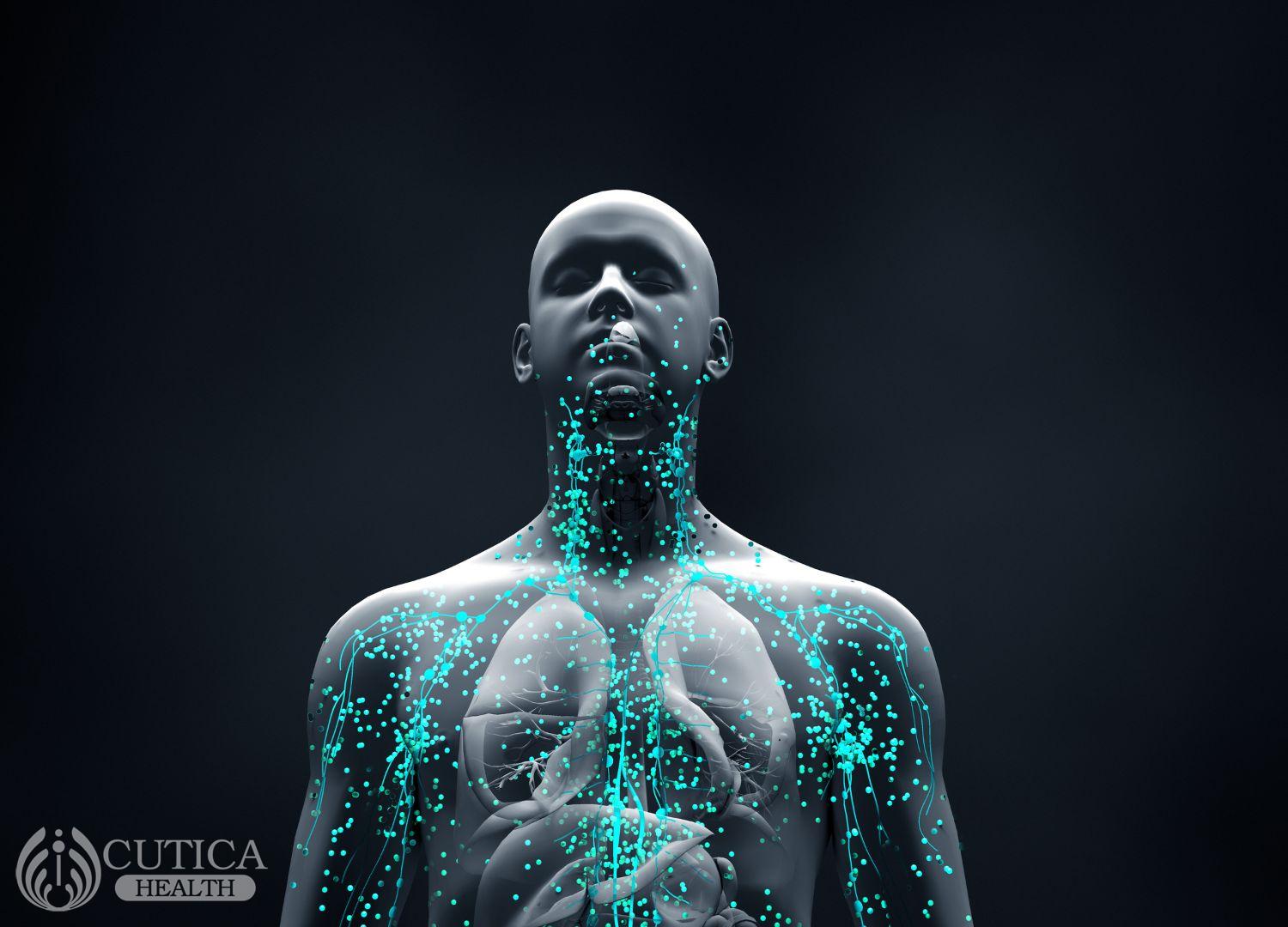
Diabetes and your immune system

Diabetes mellitus has far-reaching effects on the body. Known as a silent killer, diabetes is one of the most common chronic diseases and one of the leading causes of death.

Diabetes affects not only the eyes, heart, kidney, and brain, but also the immune system, the body’s defense against infections. Left untreated, diabetes weakens the immune system, making an individual vulnerable to different kinds of infections. 

But how does diabetes affect the immune system?


1. Impaired immune cell function

The body’s immune cells include white blood cells, which are often “called upon” to fight off and destroy invading bugs. Uncontrolled diabetes impairs the production and maturation of these cells in the bone marrow. When this happens, there are fewer white blood cells available to fight off infections. 

Uncontrolled diabetes also affects another part of the immune system called the complement system.


2. Impaired white cell migration


When the body senses an infection, it sends white blood cells to the infection site. This migration of white blood cells to the “battle front” occurs through the tiniest of blood vessels to reach the location of infection. However, diabetes affects the ability of white blood cells to migrate to the site of infection. 

3. Good environment for bugs to thrive

Bugs love sugar, as it provides adequate energy for them to multiply and grow. In addition, excess sugar in the blood in diabetes makes the blood more acidic, which is a perfect environment for certain bugs to thrive in. 


Further, excess sugar in the blood results in the accumulation of harmful products, called free radicals. These chemicals are described as “pro-inflammatory” because they can stimulate cell damage and destruction of the body’s immune cells. 

4. Poor Blood flow

Diabetes causes the accumulation of fat plaques and clots in blood vessels. Over time, the affected blood vessels become damaged and blocked off, impairing blood flow. When blood flow is reduced to any part of the body, the flow of nutrients, oxygen, and immune cells also reduces, therefore impairing healing, repair, and the overall health of that area. This is the basis for the poor wound healing seen in people with diabetes. Wounds make it easy for bugs to enter the body. 

In summary, diabetes affects almost every part of the body, but one of its most harmful effects is on the immune system. Damage to the immune system leaves the body vulnerable to different kinds of bugs. Keep your blood sugar under good control to avoid the negative effects of diabetes. 

Categories
Uncategorized

Hypothyroidism: Underactive thyroid function

“I have not been doing so well, Joe,” Tinuke said. “I have been feeling really tired lately, feeling cold when others are not, and to make things scarier, my hair has started falling off,” she added. 

What is hypothyroidism?

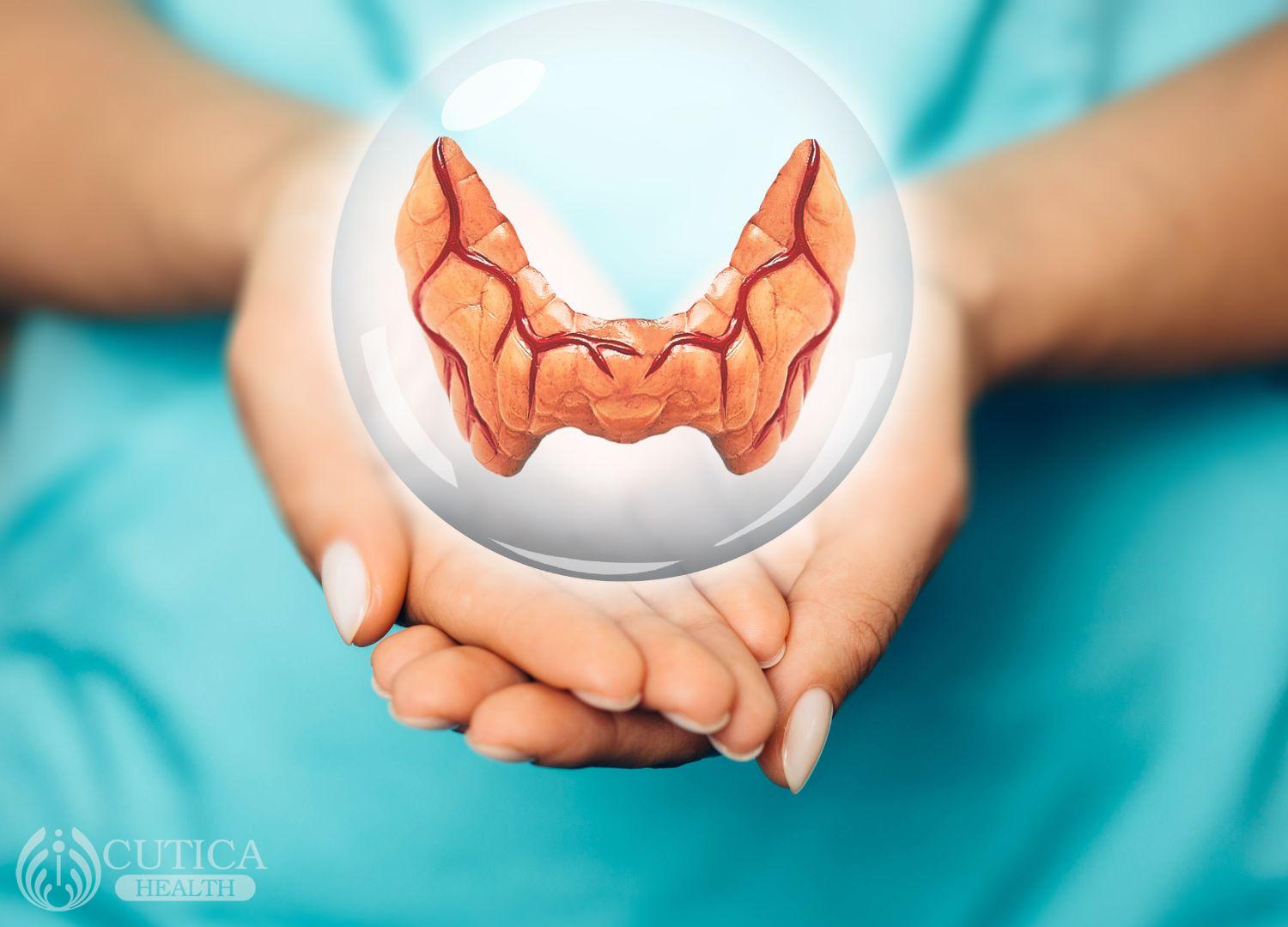
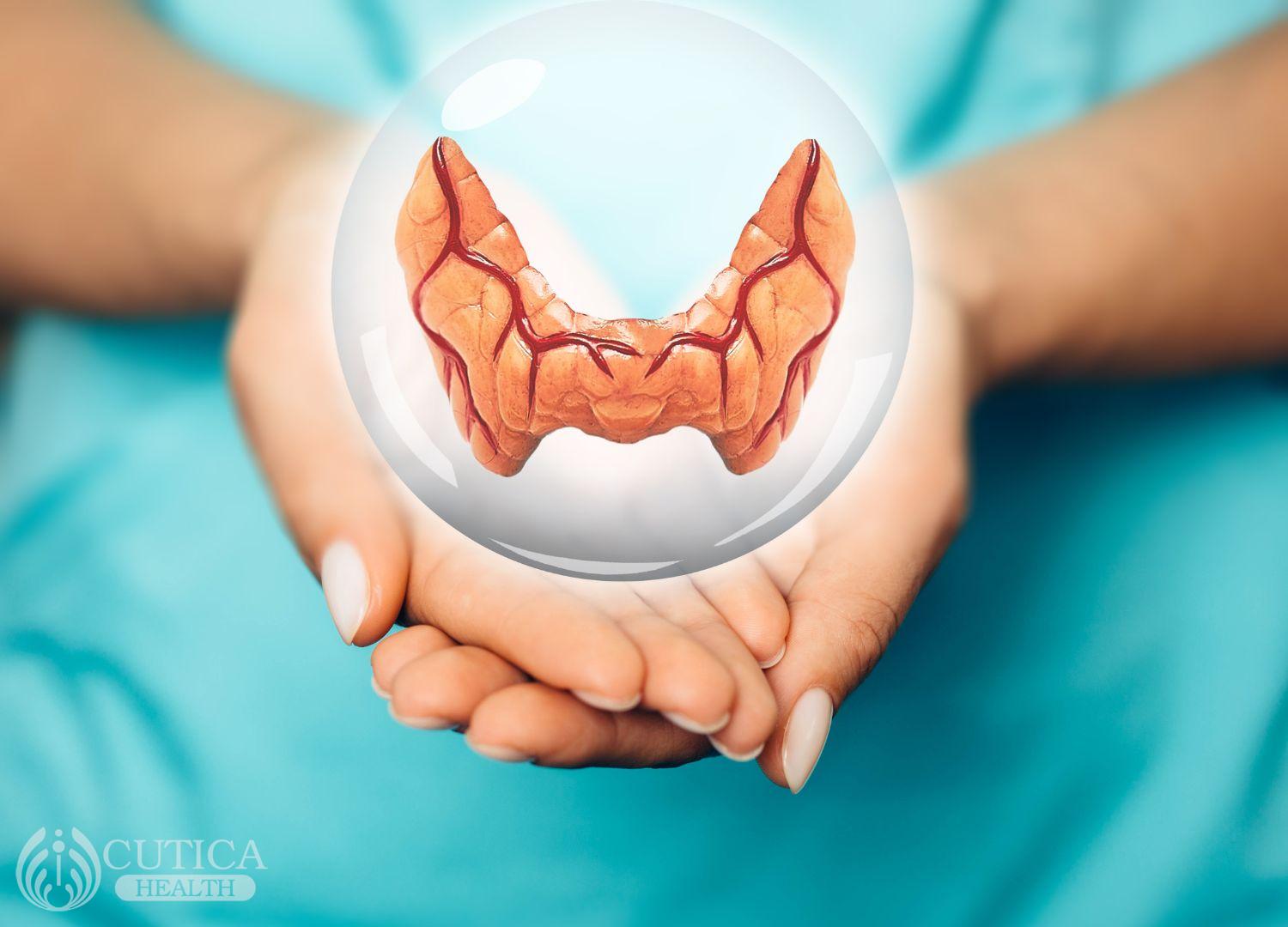
The thyroid gland is a small organ located in the upper part of the neck, just above the Adam’s apple. The gland produces thyroid hormones, which are essential for many organs in the body to work properly, including the heart, muscle, bowel, brain, skin, as well as for regulation of the body temperature.

Hypothyroidism occurs when the thyroid gland produces lower amounts of the hormones than normal. 


What are the symptoms of hypothyroidism?

Some of the symptoms of hypothyroidism include:

  • Fatigue
  • Constipation
  • Sensitivity to cold
  • Dry skin
  • Muscle weakness
  • Muscle pain
  • Depression
  • Memory problems
  • Slow heart rate
  • Hoarse voice 
  • Thin hair 
  • Menstrual problems

In children, hypothyroidism may lead to problems, such as:

  • Delayed puberty
  • Poor mental development
  • Poor growth 

What causes hypothyroidism?

Hypothyroidism may be caused by issues affecting the body or by problems primarily affecting the thyroid gland itself. Common causes include:
 

  • Inflammation: Inflammation of the thyroid gland, called thyroiditis, which could result from an infection or immune problem.
     
  • Thyroid surgery: Surgery to remove all or part of the thyroid gland due to conditions, such as thyroid cancer or an overactive thyroid gland.
     
  • Drugs: Some drugs could trigger underactivity of the thyroid gland, including lithium, which is used to treat some mental health disorders. 
     
  • Congenital: In some cases. Underactivity of the thyroid gland begins at birth. In these cases, babies are born with an underactive thyroid gland. Often, infants born with an underactive thyroid gland show no symptoms of it until later in life.
     
  • Dietary deficiency: The thyroid gland uses mineral iodine to produce thyroid hormones. Insufficient iodine in food (such as using non-iodized salt) may, therefore, lead to hypothyroidism.

What are the risk factors of hypothyroidism?

You may be more likely to develop an underactive thyroid gland if:

  • You are a woman.
  • You have a family history of thyroid disease.
  • Received radiation to your neck or chest.
  • Have had thyroid surgery.

Treatment of hypothyroidism

Once an underactive thyroid gland is diagnosed, your doctor will prescribe thyroid hormone medicine to replenish the body’s levels. This medicine, called levothyroxine, is taken every day. Doctors use regular blood tests to adjust the dosage and keep the thyroid hormone level in the normal range. Taking too much of the medication may cause symptoms, such as tiredness, shakiness, a fast heart rate, and sleep disturbances. 

In some cases of hypothyroidism, such as those cases caused by complete surgical removal of the thyroid gland, one may need to take the medicine for life. 

In summary, an underactive thyroid gland disrupts the function of different parts of the body, yielding multiple symptoms. Visit your doctor if you experience concerning symptoms for a comprehensive evaluation.

Categories
Uncategorized

The Overactive Thyroid (Hyperthyroidism): All You Need to Know

“Mrs. Benjamin has just been admitted to the hospital,” the nurse said, speaking to Mr. Benjamin. Mrs. Benjamin had developed an irregularly, fast heartbeat and with shakiness that the doctors say were tied to her thyroid gland overworking itself.

What is hyperthyroidism?

Hyperthyroidism is a condition in which the thyroid gland makes too much thyroid hormones, causing an array of symptoms. The thyroid gland is an organ located just below the Adam’s apple, an area of throat that protrudes slightly outward in the neck. The gland functions to produce thyroid hormones , which are essential for regulating the functions of nearly all parts of the body. The functions of the thyroid hormones include: 

  • Regulate the heart rate
  • Involved in regulating body temperature
  • Regulate the rate of food breakdown and digestion in the body, which is broadly referred to as "metabolism”
  • Control muscle function
  • Tissue and cell repair

If these hormones are too abundant much in the body, they may cause these parts of the body to function out of order. 

Symptoms of hyperthyroidism

Symptoms one may will experience with hyperthyroidism include: 

  • Losing weight without trying
  • Fast and irregular heartbeat
  • Increased hunger
  • Anxiety and shakiness
  • Sweating
  • Changes to the menstrual cycle
  • Increased sensitivity to heat
  • Fatigue
  • Muscle weakness
  • Sleep problems

Causes of Hyperthyroidism

Why would the thyroid gland suddenly begin to release hormones out of order and more than the normal levels? There are several reasons for this, and common conditions that cause this include: 

  • Graves’ Disease: Graves’ disease is an autoimmune condition in which the body’s immune cells attack the thyroid gland, prompting the gland to secrete too much thyroid hormones. A person with a family history of the disease has have a higher than average risk of developing it.
  •  
  • Thyroid nodules: Small growths in the thyroid gland may have the potential to release more  amounts of thyroid hormones than the rest of the gland. These growths, which are often non-cancerous, may cause the gland to look bigger than normal. 
  • Inflammation: In inflammation of the thyroid gland, called thyroiditis, may cause excessive production of thyroid hormones from the gland. This inflammation is often due to an autoimmune attack on the gland, and may occur in patients who have other autoimmune conditions already. 

Complications of Hyperthyroidism

What happens if an overactive thyroid gland is not treated? Thyroid hormones could stimulate overactivity of several organs and tissues, causing damage and, in turn, health problems. Some of these complications include: 

  • Arrhythmias, a condition in which the heart beats dangerously fast
  • Visual disturbances, which include bulging eyes, gritty sensation, double vision, and painful red eyes
  • Weak bones, as excessive amounts of the thyroid hormones cause the bones to wear off and lose minerals faster than they can accumulate them. 
  • In severe cases, excessive thyroid hormones may cause a condition called thyroid storm toxic crisis, which manifests with fever, nausea, diarrhoea, confusion, and a fast heartbeat.

Treatment of Hyperthyroidism

The aims of treatment for hyperthyroidism are to bring back the thyroid hormone levels back to normal and improve symptoms caused by the high thyroid levels. Achieving this requires different combinations of the following treatments: 

  • Anti-thyroid medicines: These medications slow down the thyroid’s ability to produce more thyroid hormones, thus, helping to slowly ease symptoms. Treatment with these medicines typically last up to a year, after which the dose is slowly reduced or stopped if the symptoms go away and once the thyroid hormone levels are back to normal.
  •  
  • Beta-blockers: These medicines , an example of which is Propranolol, works by reducing some of the symptoms of hyperthyroidism, such as fast heart rate and tremors. 
  •  
  • Radioiodine therapy: In some cases, The thyroid gland may be treated with radioactive iodine, which may help shrink the organ and destroy areas of the gland that produce the hormone excessively. A risk to this treatment is that it could make the thyroid too weak to produce enough thyroid hormones after treatment, and then, you may require synthetic thyroid hormones. 
  •  
  • Thyroid Removal: Treatment of hyperthyroidism may sometimes require partial or complete removal of the thyroid gland sometimes. It may be a treatment of choice for people who cannot take anti-thyroid medicine or who are pregnant. Surgery does come with some risks, including damage to the vocal cords and neck tissues. 

Hyperthyroidism is a condition in which the thyroid gland produces too much thyroid hormone, causing serious symptoms, that which may worsen slowly become dangerous if left untreated. If you have any symptoms suggestive of hyperthyroidism, including unexplained weight loss, a fast heart rate, tremors, sweatiness, and menstrual disturbances, speak to your doctor for a thorough evaluation as soon as possible. 

Categories
Uncategorized

Health Benefits of Intermittent Fasting

James has made a fresh New Year’s resolution, and this time, he wants to stick to a healthy diet plan. But he does not know how to formulate one. He meets Paul, who tells him about intermittent fasting, and how it has many health benefits.  

What is Intermittent Fasting?  

Simply put, intermittent fasting describes consistently skipping meals at set different times of the day or week. This activity is typically started for health reasons or to achieving some personal goals.  

There are different approaches to intermittent fasting, such as ;the  daily time-restricted simple daily fasting, in which one peoples kips a specific mall meal a day, say breakfast or lunch. In alternate day fasting, you may fast the whole day and eat on the next day.  

Another pattern, called the 5:2 pattern, involves having a normal diet for about 5 days of the week and then skipping some meals fasting on the other 2 days in the week.  

What are some of the health benefits of intermittent fasting? 

Research has shown that intermittent fasting has potential lot of medical benefits; some of these include.: 

1. 1.A  Build healthy body weight. 

Intermittent fasting helps to lose weight and burn body abdominal fat. With fewer meals come fewer less calories, and, in turn, the body burns stored fats for energy.  

Further, intermittent fasting stimulates action of hormones that help to burn stored fats, including human growth hormone and noradrenaline. These hormones boost your metabolic rate, helping you burn stored fat.  

2. Lower risk of diabetes and cancer some chronic diseases. 

Intermittent fasting can lower the risk of diabetes and possibly some forms of cancer. Intermittent fasting has also been associated with improved brain and heart health, as well as slower aging. How does intermittent fasting do this? Perhaps the main explanation for the health benefits of intermittent fasting is weight loss because this has several benefits, such as improving how well With a build-up of unhealthy fat ,the body uses loses responsiveness to insulin, the hormone that regulates n, the hormone that regulates blood sugar. . This poor sensitivity to insulin increases the risk of poor sugar control. Gaining healthy weight from intermittent fasting lowers this risk 

In addition, some researchers have found that intermittent fasting also speeds up metabolism, which may lower the level of rids inflammation and the body of harmful disease-causing substances, called free radicals, in the body. These substances can stimulate changes within cells that may lead to chronic diseases, including diabetes and cancer in the future. Eliminating these substances lowers one’s risk of cancer.

3. Improve brain health 

Intermittent fasting offers some protection against several degenerative brain diseases, such as Alzheimer’s disease and other types of dementia. One reason for this is that during fasting, cells initiate a mechanism that helps them remove waste materials that build up within them. Some of these cells are responsible for cell changes that lead to dementia.  

Further, fasting improves blood sugar levels and removes free radicals from the body, reducing the risk of inflammation within the brain tissue. Fasting also improves the levels of a brain hormone that improves mood and cognitive function, lowering the risk of certain mood disorders.  

4.Improve heart health 

Intermittent fasting helps to improve body levels of certain substances, including blood sugar, cholesterol, and free radicals. With intermittent fasting, blood sugar levels are well regulated and blood cholesterol levels drop. In addition, fasting rid the body of free radicals that are implicated in heart attacks and other heart problems.  

5.Slows down aging  

During fasting, the body initiates a self-repair process to restore damaged cells and get rid of harmful waste products of metabolism. A build-up of some of these substances not only cause the skin to age faster but also increase the risk of chronic diseases, which are the leading causes of death.  

Further, fasting stimulates expression of certain genes that are essential for longevity. These genes also regulate production of substances that protect from disease.  

Is intermittent Fasting Safe for Everyone?  

No. While intermittent fasting may seem to have some enormous health benefits, it is may not be right for everyone. Intermittent fasting does come with some side effects, including headaches, fatigue, and dizziness, which may be poorly tolerated by some people.  Therefore, it is important to speak with your doctor for advice on intermittent fasting. Therefore, it is important to speak to your healthcare provider to learn about the risks and benefits of intermittent fasting, and which pattern may be most appropriate for you. 

Nonetheless, persons olein whom that intermittent fasting carries more significant health risks and is considered unsafe should steer clear of intermittent fasting include the following:  

  • Children and teens under 18 
  • Pregnant or breastfeeding women 
  • Type 1 People with type 1 diabetes who take insulin diabetics who are on insulin treatment 
  • People with a history of eating disorders 

Intermittent fasting carries significant health risks for this group and may cause serious health issues. It is therefore important to speak to your healthcare provider about the risks and benefits as well as acceptable levels of fasting if you consider doing it.  

In summary, although intermittent fasting comes with significant health benefits, it may not be safe for everyone. If you fall into any of the groups above, do not initiate intermittent fasting. Speak to your healthcare provider for further advice.to learn about the risks and benefits of intermittent faster, and which pattern may be most appropriate for you. 

Categories
Uncategorized

Sunlight exposure and its benefits for you

Do you know that sunlight has some amazing health benefits for your physical and mental health? Some of the health benefits include better quality sleep, increased Vitamin D levels, improved mood and reduced risk for seasonal effective disorder. To achieve maximum benefits, ensure you spend time in the morning sun (before 10am). It is true that too much sun is bad for your skin but you shouldn't avoid the sun completely. Use sunscreen when going out after 10am to prevent any damage to your skin.

Categories
Uncategorized

Tips to lower your risk of Hypertension

Anyone can develop High blood pressure, but the risk increases as you age. Ensure you go for regular BP checks, reduce salt intake, eat healthy and stay active.

Categories
Uncategorized

Does your cellphone light cause brain cancer?

Researches have been carried out on different groups of people to study the link between cell phone use and cancer risk. No solid relationship was established. The researchers however had limitations. At the moment, there is inadequate data to link health problems like cancer to the use of cell phones. However, a number of studies are underway and a new discovery may be made. While a lot remains unknown about the effect of cell phones, experts agree that it is best to limit screen time off work to about 2 hours a day. It is also recommended that you minimise the amount of energy from radiofrequency waves that you are exposed to.

Categories
Uncategorized

How to avoid common workplace injuries

These injuries are usually caused by defective or inadequate machines and nonchalance or poor workplace policies. It can also be caused by stress. This is why workers should take breaks when necessary, to avoid a breakdown.