Exercise has been termed a miracle cure, and rightfully so, as it decreases the risk of serious illnesses like stroke, diabetes, heart diseases and even cancer. It is recommended for everyone, even children.

Exercise has been termed a miracle cure, and rightfully so, as it decreases the risk of serious illnesses like stroke, diabetes, heart diseases and even cancer. It is recommended for everyone, even children.
Low testosterone is a common condition affecting men, and recognizing its symptoms and seeking timely medical advice is crucial. With appropriate diagnosis and treatment, men can manage low testosterone and improve their overall well-being, allowing them to lead a healthy and fulfilling life.
Testosterone is a vital hormone responsible for various physiological functions in men, including the development of male reproductive tissues and the maintenance of muscle mass and bone density. Low testosterone, also known as hypogonadism, is a condition that affects a significant number of men, especially as they age. It happens when testosterone levels are below what is normal for men in that age group.
According to research, normal ejaculation occurs after 4 to 8 minutes of sex. When ejaculation occurs under or within a minute or shorter than a couple desires, it is called premature ejaculation.
Most causes of premature ejaculation are psychogenic, meaning they arise from psychological issues; however, it could be caused by medical problems as well.
Intermittent fasting describes consistently skipping meals at set different times of the day or week. This activity is typically started for health reasons or to achieving some personal goals.
Managing your weight after birth is not the easiest endeavour due to the stress of the postpartum period and adjusting to the baby’s routine.
It can be emotionally draining when you find it hard to lose all that baby weight, but here are some things we want you to keep in mind when on this weight management journey
– Do not compare yourself to others.
– Be kind to yourself and do what works for you.
– Give your body time to heal. It's advisable to give yourself about 6 months to 1 year.
– Remember to ask for help from your healthcare provider and your loved ones.
What you eat can disrupt this chain of events and cause serious problems for you and your baby. Eat healthy during pregnancy but avoid consumption of any type of food no matter the claims that you see on social media!
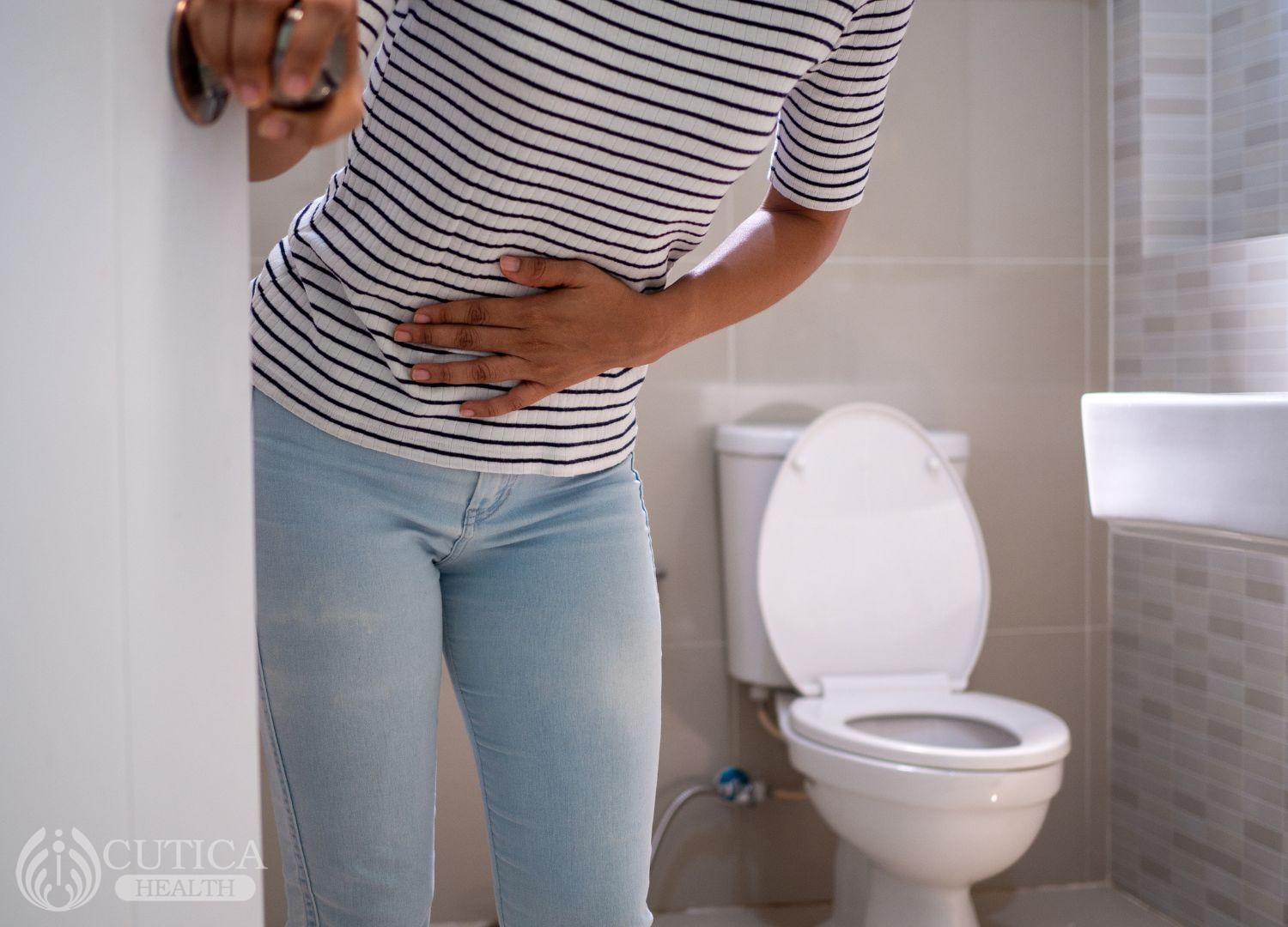
Fifunmi rushed to the toilet, yet again, as she felt the pressure build up within her stomach. She feels like she is about to explode for the fifth time this morning. She rethinks what she ate last night. It was nothing unusual, except the suya Deji, her brother, brought home, from which she took just two pieces of meat. Deji must be held responsible for this; she washes up and stands to go and accuse him. But the abdominal discomfort hits her again, and she rushes back to the toilet.
Introduction
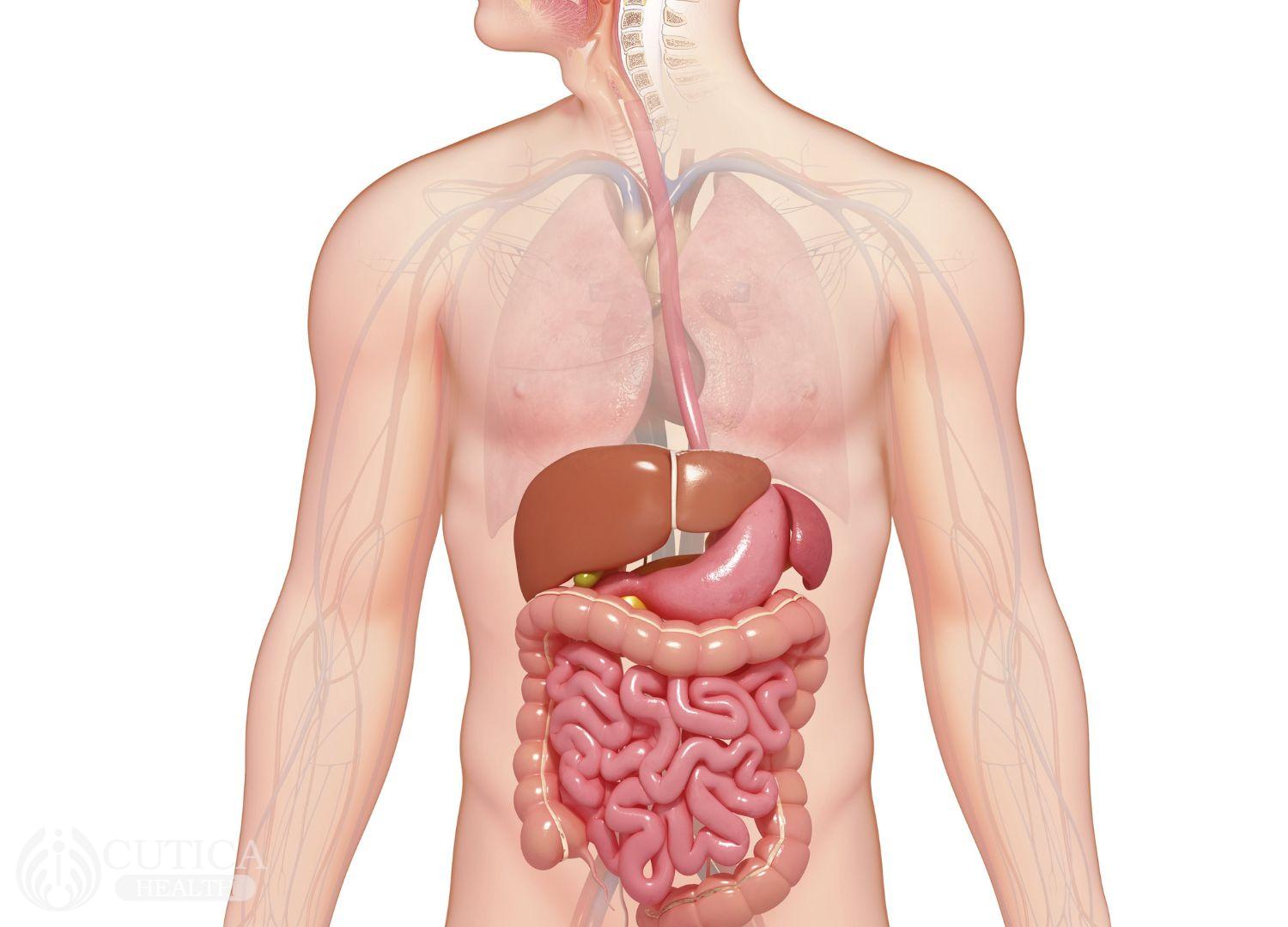
Acute diarrhoea, characterized by the sudden onset of loose, watery stools, is a common issue in adults. While often a temporary inconvenience, it can be a source of discomfort and concern.
Understanding Acute Diarrhoea
Acute diarrhoea, typically lasting a few days to two weeks, can be caused by various factors. Understanding the root causes is essential for effective management.
Common Causes:
Recognizing Symptoms
Symptoms of acute diarrhoea may vary in severity, but common indicators include:
It's crucial to identify these symptoms to determine the appropriate course of action for managing acute diarrhoea.
Treatment and Management
When to Seek Medical Attention
While acute diarrhoea often resolves on its own, it's essential to recognize situations where medical attention is necessary:
In these cases, consult a healthcare provider for proper evaluation and treatment.
Conclusion
Acute diarrhoea in adults is a common digestive ailment that can be caused by a variety of factors. Understanding the causes, recognizing symptoms, and implementing effective treatment strategies are essential for a swift recovery. Remember to prioritize hydration, dietary adjustments, and rest, and seek medical attention when necessary to ensure a safe and healthy resolution of acute diarrhoea. By following these guidelines, you can regain your digestive health and minimize the impact of this common ailment on your daily life.
Mrs. Kachi rushed her 2-year-old son into the emergency room of the hospital close to her home. Her son had been passing watery stool for 2 days now and she had hoped it would resolve on its own. But it got worse this morning, and her son was becoming so weak he could barely walk on his own. That was why she brought him into the emergency room at 8 pm. She was afraid he was dying.
Introduction
Acute diarrhoea is a common condition in children. It causes frequent loose or watery stools that can lead to dehydration and discomfort. It is often caused by viral or bacterial infections, and parents and caregivers should be well-informed about its symptoms, causes, and management.
What Is Acute Diarrhoea?
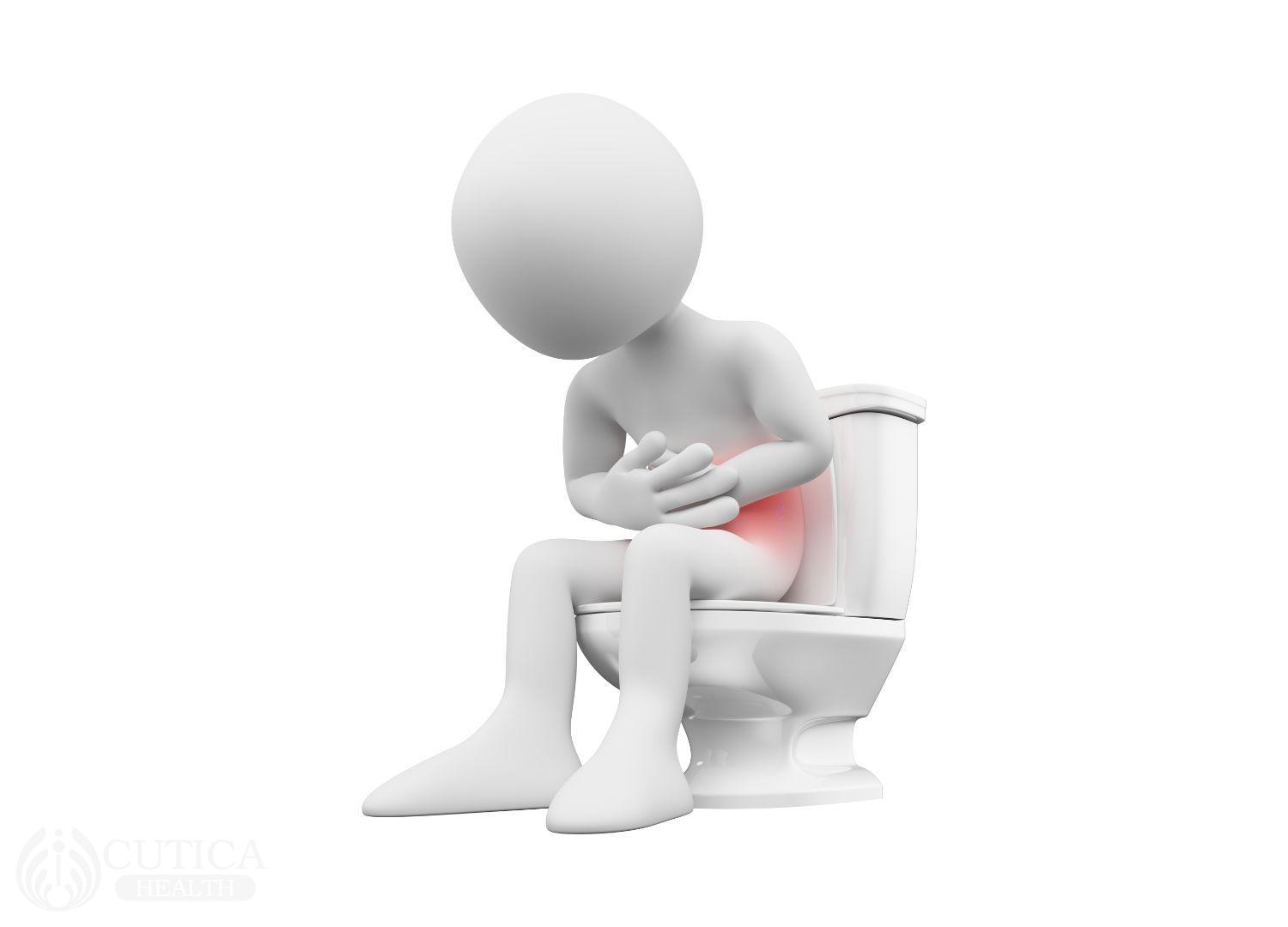
Acute diarrhoea is a sudden onset of frequent loose stools in children, typically lasting for a few days to a week. While most cases are mild and resolve on their own, severe or prolonged diarrhoea can lead to dehydration, which is a serious concern, especially in younger children.
Common Causes of Acute Diarrhoea in Children
Symptoms of Acute Diarrhoea in Children
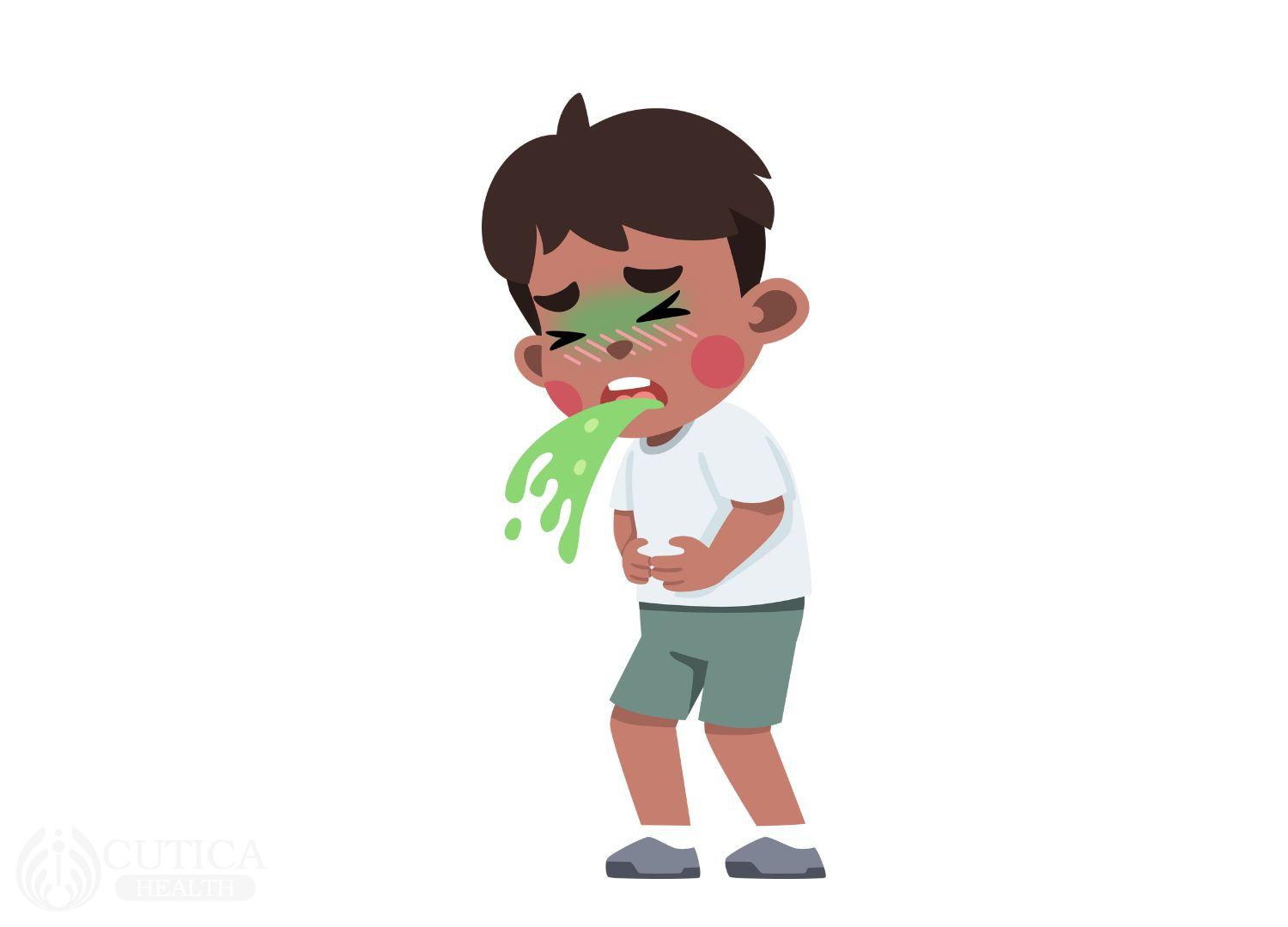
The symptoms of acute diarrhoea in children may vary, but common signs to watch for include:
Prevention and Treatment
Preventing acute diarrhoea in children involves good hygiene practices, such as regular handwashing, proper food handling, and ensuring clean water sources. Vaccination against rotavirus can also help reduce the risk of infection.
In cases of acute diarrhoea, treatment typically focuses on relieving symptoms and preventing dehydration. Here are some strategies:
Conclusion
Acute diarrhoea in children is a common and usually self-limiting condition. While it can be distressing for both children and parents, it's essential to focus on symptom relief and preventing dehydration. By following proper hygiene practices and seeking medical advice when necessary, you can effectively manage and alleviate your child's acute diarrhoea, and help them to recover quickly.
Childbirth is one of the most special occasions in a woman's life. While it brings a lot of joy and new experiences, the intense experience can also bring about psychological distress and disorders. There are two major psychological disorders that may occur after pregnancy: Postpartum depression and postpartum psychosis.
Although they share some similarities, these disorders are quite different from each other.
Let's look at 5 ways in which they differ from each other:
What does each disorder entail?
Postpartum depression is a mood disorder that occurs after childbirth in which there is low mood, feelings of hopelessness, and difficulty connecting with one's child. It usually occurs in the first two weeks after childbirth.
Postpartum psychosis (PPP) is also known as postnatal psychosis or puerperal psychosis. This is a severe mental disorder in which there are changes in mood and behaviour as well as a loss of contact with reality. Postpartum psychosis can begin very suddenly, within hours of childbirth, or may take weeks or months to appear. If PPP is not treated immediately, it places mothers at a 5% risk of suicide and a 4% risk of committing infanticide.
They have different prevalence's.
Postpartum psychosis is rare compared to postpartum depression. About 1 or 2 in every 1,000 mothers will experience postpartum psychosis, while postpartum depression affects an estimated 1 in 7 new mothers annually and between 10% and 20% of all women.

They manifest different symptoms.
There are important symptoms that differentiate these disorders from each other.
Key symptoms of postpartum depression include:
Key symptoms of postpartum psychosis include:
They have different risk factors or causes.
Postpartum depression tends to have social causes or risk factors, while postpartum psychosis often results from biological factors.
You are at risk for postpartum depression if you:
Your risk for postpartum psychosis (PPP) is higher if you:
They are treated or managed in different ways.
Postpartum psychosis is considered a medical emergency because both the mother and baby are at high risk. Thus, it is often treated through hospitalization in an inpatient setting.
Postpartum depression, on the other hand, can be treated in outpatient settings with medication, therapy, or both.

Conclusion
These disorders are not a sign of weakness, laziness, or a personal failing. They result from biological and/or social factors. Both postpartum depression and postpartum psychosis can be resolved with the right treatment and care.