Want to avoid malaria? Try these simple tips.
Categories

Want to avoid malaria? Try these simple tips.
Psoriasis is a skin condition in which the body attacks healthy skin due to problems with the immune system. Psoriatic arthritis refers to the inflammation of joints that occurs in some people who have psoriasis. The immune system attack damages joint structures, causing corresponding symptoms.
The cause of this immune attack on the body’s own tissue is largely unknown; however, certain factors have been found to increase the risk of psoriatic arthritis. These include:
Psoriatic arthritis, like psoriasis, is a chronic disease with symptoms that progress over time. Some days may be good with minimal or no symptoms and other days may bring severe discomfort from joint symptoms.
Common joint symptoms in psoriatic arthritis include:

Psoriatic arthritis may also produce symptoms outside the joint, especially in the nails and the eyes. These symptoms include:
Certain factors can cause these flare-ups and they differ between individuals.
Common triggers of a psoriatic arthritis flare-up include:
To find out what your triggers are, keep a symptom diary in which you note down what you were doing when your symptoms began. Also note other changes, such as any new medication or recent stressful activities.
There is no established cure for psoriatic arthritis, therefore the goal of treatment is to improve the symptoms and prevent complications.
There are different treatment options for psoriatic arthritis and the treatment plan depends on individual preference and the stage of the disease. The treatment options include medicines to control pain, swelling and inflammation, and lifestyle modification.
. These include:
Psoriatic arthritis is a joint problem seen in some people with psoriasis. Its symptoms may range from mild to extremely severe. Although there is no cure, proper treatment can improve the symptoms and prevent complications.

Getting stressed out at work is not unusual for everyone, and it is completely normal. However, if stress at work becomes persistent, irrational, and overwhelming and interferes with interpersonal relationships and daily functioning, it may lead to anxiety.
Having an anxiety disorder plays a huge impact on effectiveness at work. Workplace anxiety may impair promotions at work, impede relationships with coworkers and superiors, limit work efficiency, and eventually lead to loss of job. Common difficulties experienced by people with anxiety disorders include participating in meetings, maintaining cordial personal relationships, setting and meeting deadlines, making presentations, and speaking to clients.
Here are 5 surprisingly simple ways to manage anxiety at the workplace.
Take a break
Taking breaks involves breaks during work hours, vacations, and keeping work and all work-related activities during work hours. Taking breaks on the job or a few minutes of deep breathing or meditation takes the edge off, diffuses the mind from anxiety-stimulating thoughts, and keeps it refreshed.
Taking vacations keep the mind away from work for some time, re-energizing the mind by engaging it in activities that keep it stimulated and relaxed at the same time.
Be Realistic about work
It is important in curbing workplace anxiety to be realistic about one's workload. Projects which would be overly demanding and time-consuming should be modified or delegated to someone else. Taking up heavy workloads, especially with unrealistic deadlines may promote chronic stress, which worsens anxiety. Also, speak up if you need more training to complete work tasks. Inadequate skillsets and knowledge to complete a job task are one of the common drivers of anxiety.

Avoid toxic atmosphere
A toxic environment includes one in which coworkers or even employers gossip, jest or promote negative thinking by minimizing others’ value an contributions to a company. Such activities promote the negative thoughts associated with anxiety disorders.
If your employer constantly berates you or criticizes your job even when you complete them properly and on time, you may need to consider changing your job. If your employer also does not provide structured feedback for your work and constantly complains to others about you, it may be time to change jobs.
Stay Healthy
Daily exercise has been shown to boost mood, raise energy levels, and keep the mind alert. Engaging in mild exercises before and during work relieves stress and keeps anxiety at bay. In addition to exercise, food is a major factor that affects mood.
Avoid foods that depress mood such as a high carbohydrate diet. Also, consuming caffeine, alcohol, and caffeinated beverages in excess may worsen anxiety symptoms. Take more of omega-3 fatty acid-rich foods such as sardines and walnuts that boost mood and increase energy levels.
It is not unusual to be stressed with work; however, when your work makes you feel anxious and unhealthy, it may be time to take steps to helping you feel better.

Viola was born to a mother who had been a drug addict since her teenage years. She looked just like every other baby would. But three months later, little Viola started becoming sick. Doctors had advised Viola’s mom earlier on about the risk of transferring HIV to her unborn baby. But she had thrown caution to the wind, ignored doctors’ advice and did not take her HIV medicines.
Everything you need to know about HIV/AIDS
HIV is a virus that harms the body by attacking its immune defenses, leaving it vulnerable to other bugs. The virus can be transmitted via the following routes:
Preventing Maternal to Child transfer of HIV/AIDS
What happens when the child has HIV?
Early detection and treatment would help the child to live a healthy and long life. But always remember that prevention is better than cure. Please have regular medical checkups to safeguard yourself and your baby.
While HIV is no longer the killer disease that it once was, it still causes significant health problems. For women who have the infection, there is a risk of transmission to unborn babies during pregnancy and labour. This risk can be virtually eliminated by taking effective medications. Ensure you attend routine prenatal visits and follow your doctor’s instructions to reduce your health concerns and prevent transmission to your unborn child if you have tested positive to the virus.

Tade had been battling this cough for several months now that comes with tightness of his chest. He has not been taking it seriously. I feel very concerned about it, and I hope he does not end up with some form of respiratory arrest” Keji said. Tade has always been a heavy smoker for the last 20 years, smoking about 20 sticks a day, I suspect his lungs may be giving in”
What is Chronic Obstructive Pulmonary Disease?
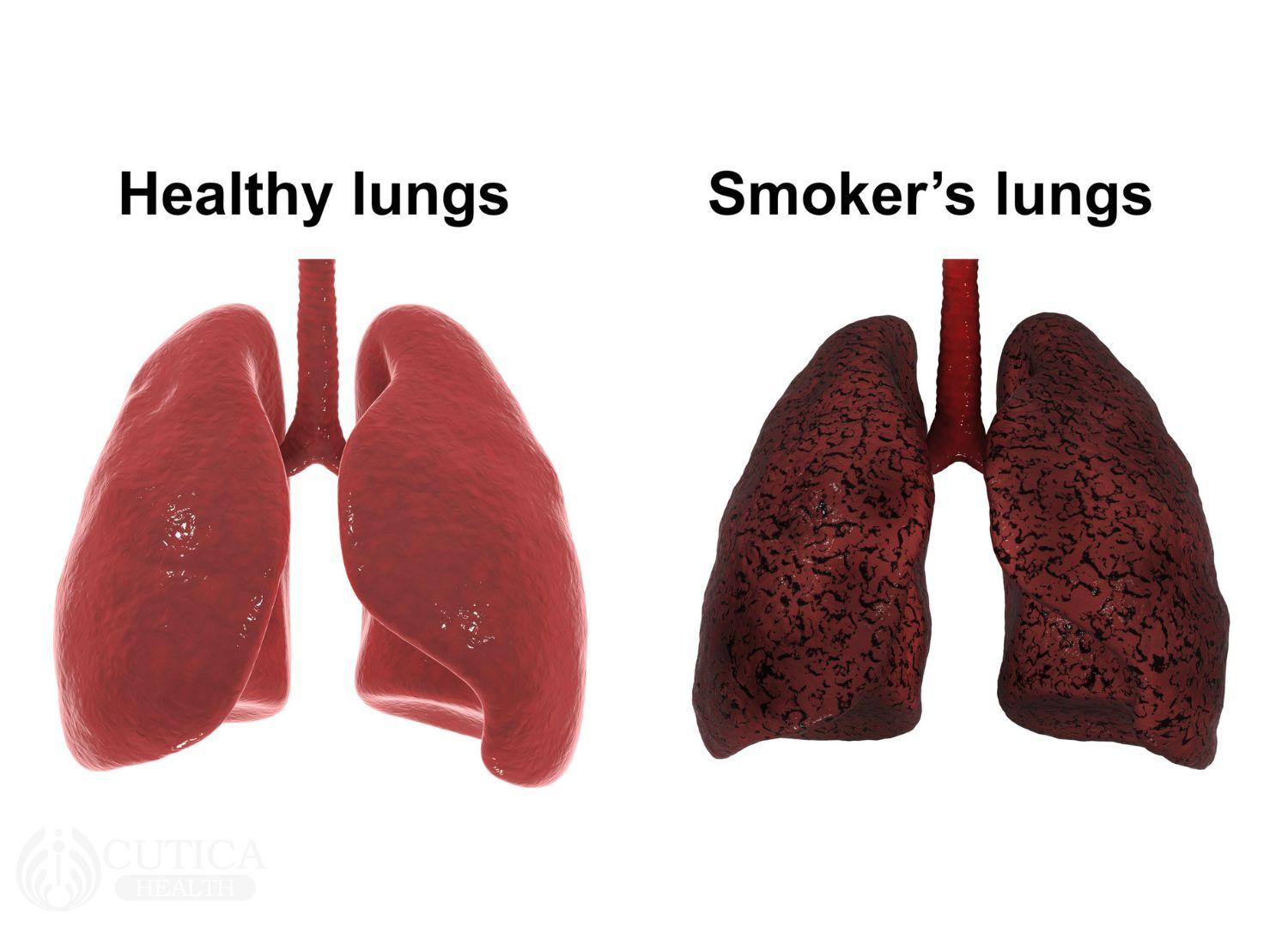
Chronic obstructive pulmonary disease (COPD) is a chronic inflammation of the airway causing obstruction and trouble breathing. The condition usually results from long-term exposure to an irritant, mostly cigarette smoke, which causes swelling, excess mucus production, and irritation of the airways. COPD may cause several complications if not managed, including heart disease and respiratory arrest.
Although COPD is a progressive disease that gets worse over time, it is completely treatable and most people can achieve good symptom control if they take the right steps.
Symptoms of COPD
Symptoms of COPD usually do not appear until after significant damage to the lungs by cigarette smoke exposure, for example. Common symptoms of COPD include:
If COPD results in complications, such as heart failure, symptoms that may occur include:
These symptoms require urgent medical attention.
Causes and Risk Factors of COPD
The main cause of COPD is tobacco smoking; however, other irritant gases, such as fumes from burning fuel and heating, may also cause COPD.
Over a period of time, cigarette smoke and the irritant gases damage the airway linings, causing them to lose their elasticity. So, when you breathe in, your lungs do not take in as much air, and when you breathe out, your lungs do not exhale fully because they have lost their elastic recoil. Further, the chronic irritation of the lungs causes excess mucus production, which also blocks airflow.

Pipe smokers, cigar smokers, and marijuana smokers are at a high risk of COPD, being the most significant risk factor for the disease. Other risk factors include:
Treatment and Prevention of COPD
People with mild COPD may need little medical intervention and benefit from simple lifestyle changes, such as smoking cessation and avoiding irritants. Those with more frequent and disturbing symptoms will benefit from medical interventions.
Treatment for COPD includes:
COPD is a chronic inflammatory condition of the lungs, causing significant breathing problems. It is usually caused by exposure to irritant gases, especially cigarette smoke, and is usually progressive and irreversible. If managed early and properly, patients can reduce the rate of progression of the disease and experience milder symptoms and less frequent flare-ups.
“I met Mr. John during the ward round today, and I discussed with him the next treatment plan; he will be needing dialysis,” Dr. Kingsley told Mr. John’s brother, Phil. Mr. John had been diagnosed with end stage kidney disease, and his kidneys could no longer remove toxic wastes from the body. He now needs an external device to help with this function.
What is Dialysis?
The kidneys function as a filter to remove waste and excess fluid from the blood. When the kidneys lose their ability to perform this all-important function effectively, an external device might be needed to remove waste and excess fluid from the blood. This process is called dialysis.
Dialysis uses an external device to rid the blood of harmful wastes and excess fluid. However, dialysis is not a cure for kidney failure, and it does not treat the underlying kidney disease.
What are the types of dialysis?
There are three main types of dialysis:
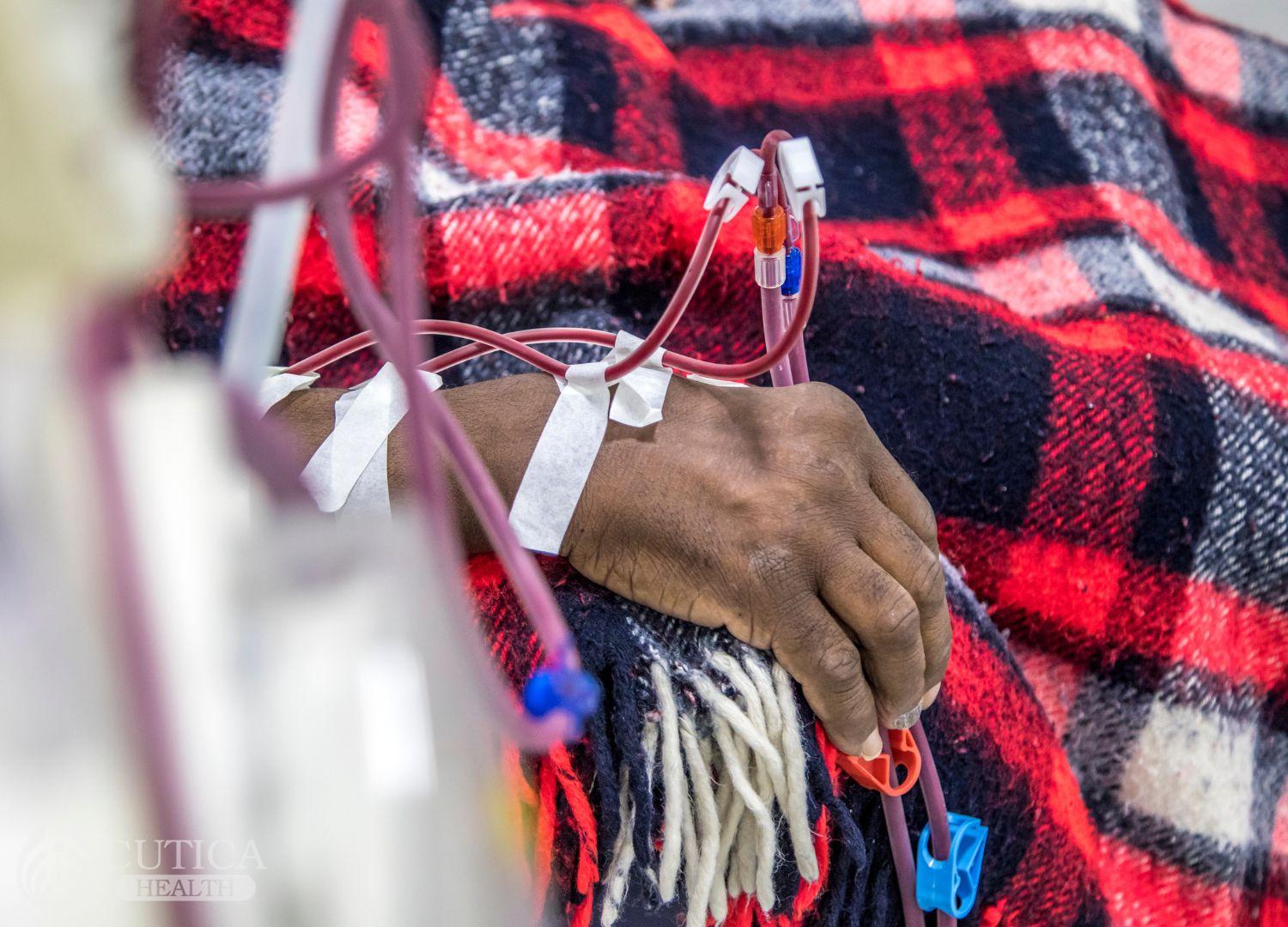
Hemodialysis: This is the most common type of dialysis, and it uses a machine called the hemodialyzer to remove waste and extra fluid from the blood. The machine is usually connected to the patient’s body through a tube (catheter) that is inserted in a large vein in the neck, arm, chest, or groin. Each hemodialysis session usually lasts about five hours, but the length also depends on how much function the kidney still has left, the body size, and whether there are other health problems. Hemodialysis is often needed several times a week.
Peritoneal dialysis: This type of dialysis occurs through a small tube, called a peritoneal dialysis catheter, that is inserted into the large sac in the abdomen, called the peritoneum. The process could last a few hours and needs to be repeated several times in a day to remove adequate amounts of waste from the blood.
Continuous renal replacement therapy: This type of dialysis is usually done for patients in the intensive care unit.
Are there any risks associated with dialysis?
As with any medical procedure, dialysis comes with certain risks. The risks associated with hemodialysis include:

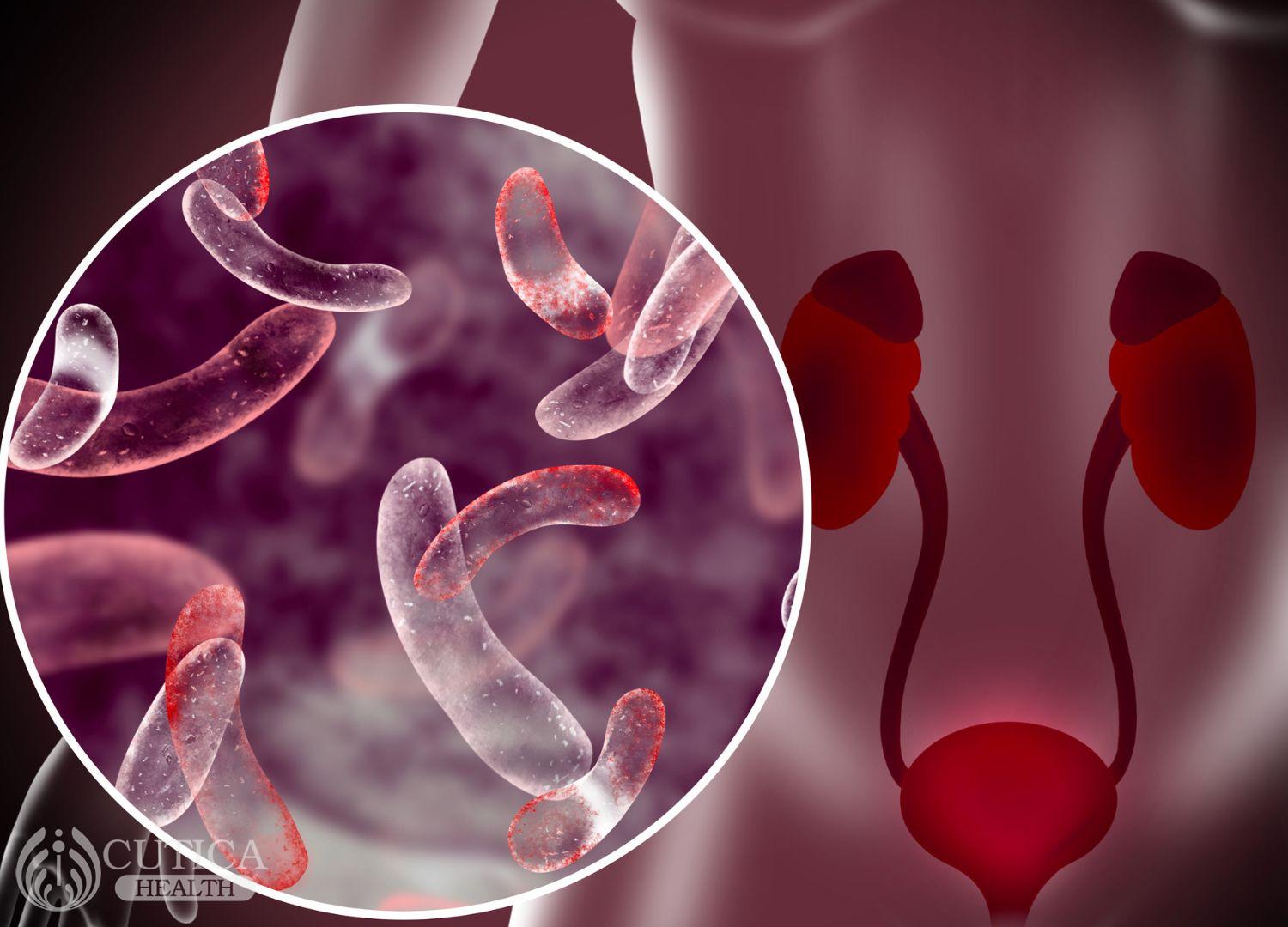
Urinary tract infections (UTI) are common in pregnant women. The infection can occur in any part of the urinary system, which includes the:
UTI is more common in pregnancy because of the following reasons:
Symptoms of UTI
Treatment of UTI in Pregnancy
Treatment of urinary tract infections generally includes antibiotics to clear out the bugs; your healthcare provider may also recommend:

Complications of UTI in Pregnancy
Left untreated, UTI in pregnancy may cause serious complications, including:
Preventing Urinary Tract Infection
Since the risk of UTI is higher in pregnancy, pregnant women can take some steps to lower their risks. These include:
“Eclampsia! That’s the new word I learnt today, and I will never forget this terrible experience, my sister,” Francisca told her friend. Francisca was admitted two days ago, after she had seizures at 34 weeks of pregnancy. She and her husband were scared they would lose the baby or even lose her too. Fortunately, the doctor recommended an early delivery and her baby is doing fine now in the neonatal unit.
High blood pressure is always something to be concerned about, because of the various risks and complications associated with it. However, when one is pregnant, the risks are both to the mother and the unborn child.
Eclampsia is a rare complication of preeclampsia, a condition where high blood pressure damages vital organs in a pregnant woman. Eclampsia presents with fits or seizures, suggesting involvement of the pregnant woman’s brain. This is a life-threatening situation.
Symptoms of Eclampsia
Usually before a pregnant woman experiences seizures from eclampsia, she would likely experience symptoms of other organ damage caused by the elevated blood pressure. Some of these symptoms include:

Symptoms of eclampsia include:
Who is at risk of eclampsia?
Eclampsia usually follows uncontrolled high blood pressure in pregnancy, and there are other factors that could increase your risk of both. These include:
How does eclampsia affect your baby?
Preeclampsia and eclampsia affect the placenta, which provides nutrient supply and oxygen to an unborn baby. When blood pressure gets uncontrolled, it may damage the blood vessels carrying blood to the baby through the placenta. When this happens, your baby’s health may be at risk. Some of the complications of this include:
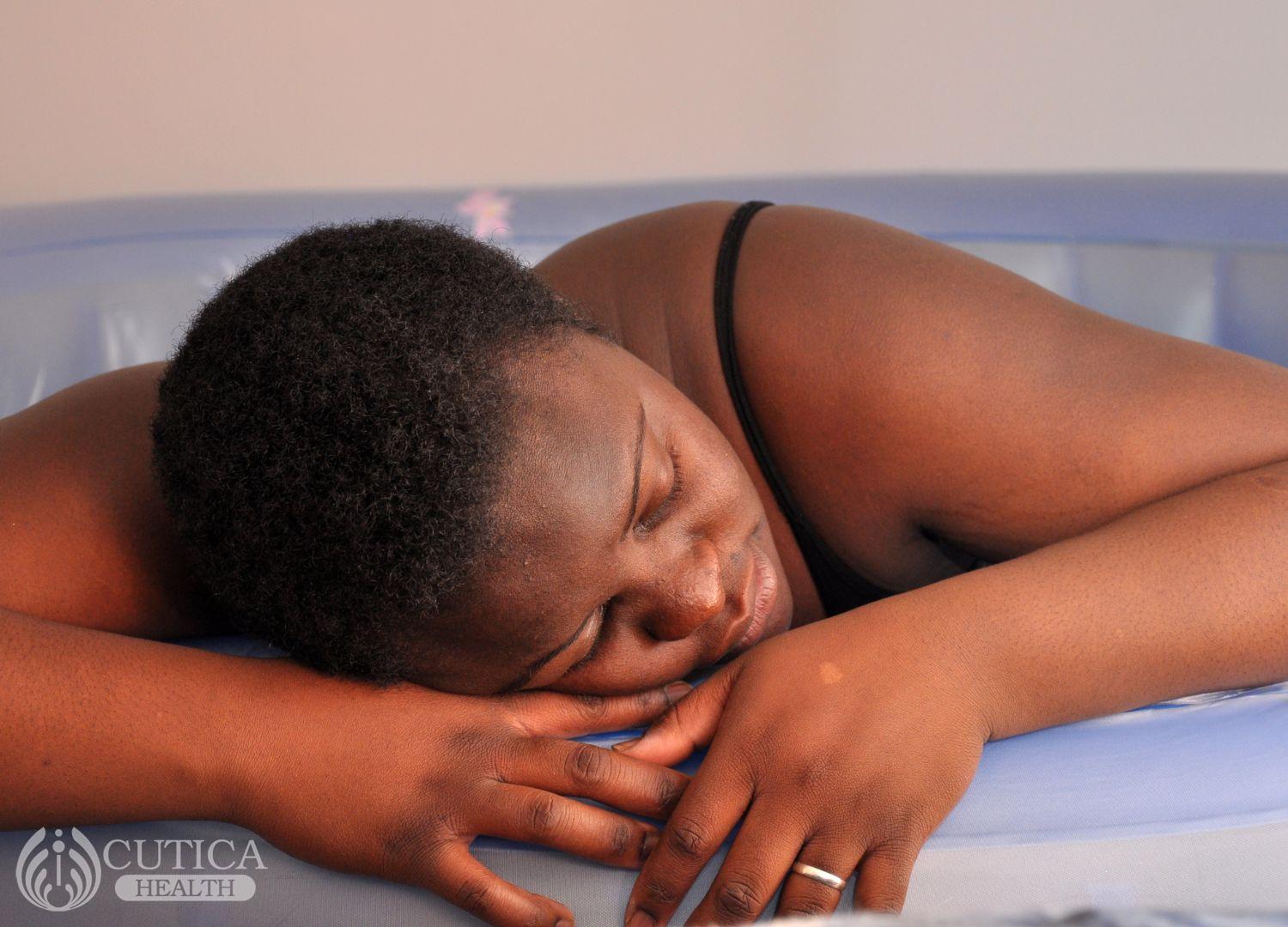
How is Eclampsia treated?
Eclampsia is a medical emergency and doctors recommend certain treatment to stop the seizures and keep the baby safe. Treatment of eclampsia includes:
The only way to cure eclampsia is to deliver the baby early and continue treatment afterward for up to 8 weeks after delivery of the baby because the symptoms could still occur after the baby is born. Allowing pregnancy to continue in a woman with eclampsia puts the mother and baby at severe risks of complications, including death.
Monkeypox is a rare and highly contagious viral infection commonly seen in west and central Africa, which has been spreading to other parts of the world in a recent outbreak. Monkeypox often results in symptoms that are similar to those of other viral infections, such as chickenpox and measles, and may even be mistaken for those.
Monkeypox is endemic in some countries, meaning it occurs quite commonly among the general population in a region; however, in 2022, the World Health Organization declared monkeypox a global health emergency after it spread to many countries.
What are the symptoms of monkeypox?
People infected with monkeypox typically get a rash that is usually sited on a near the genitals or anus, and other areas of the body, including hands, chest, and mouth. The rash has the following patterns also:
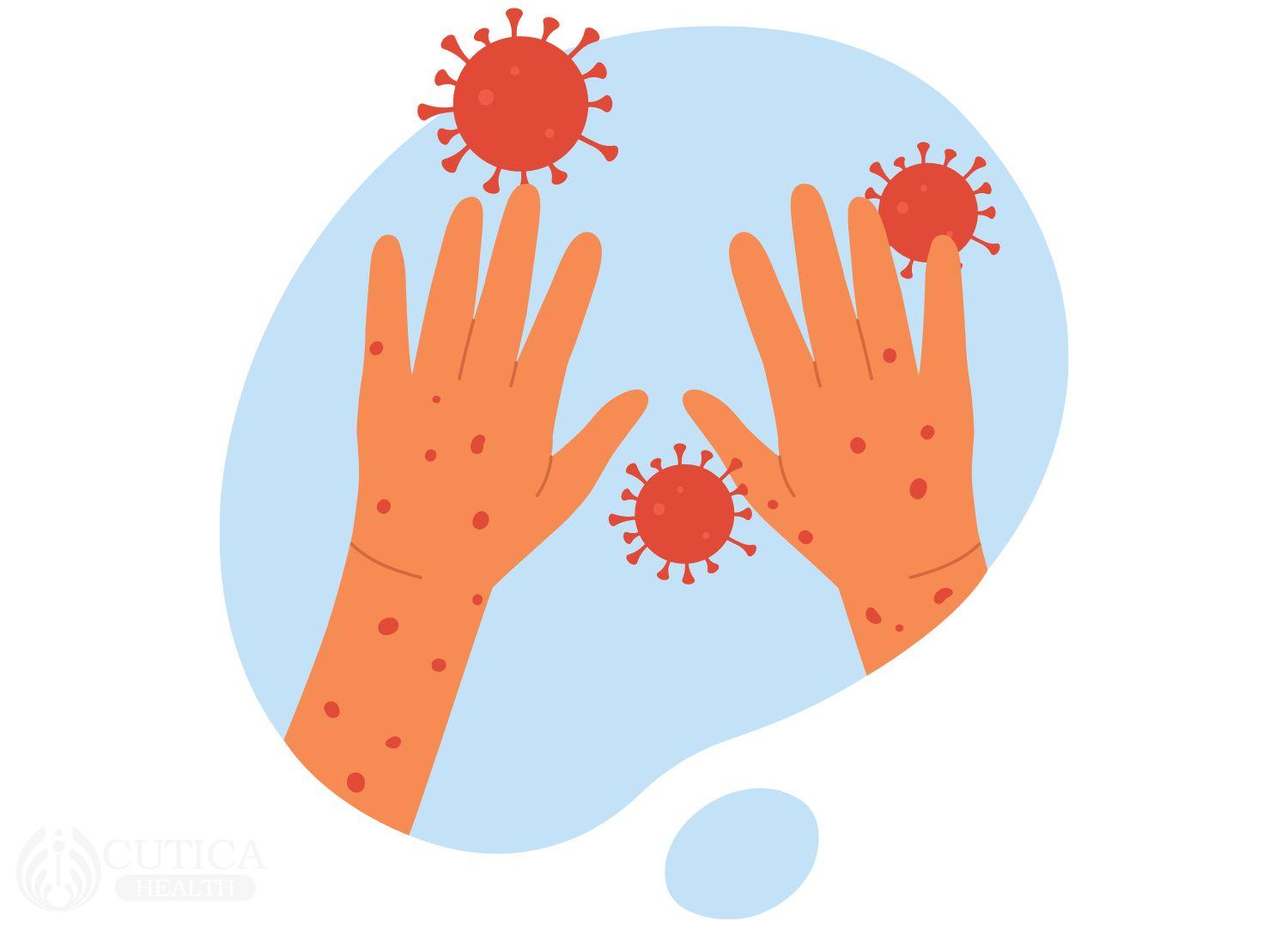
Other symptoms of monkeypox include:
One begins to experience monkeypox symptoms within 3 weeks of exposure to the virus, with the flu-like symptoms developing 1 to 4 days after the rash. While not everyone who contracts the virus experiences symptoms, there is currently no evidence that people without symptoms can spread the virus.
How is monkeypox spread?
Monkeypox is a highly contagious infection and can be spread via the following ways:
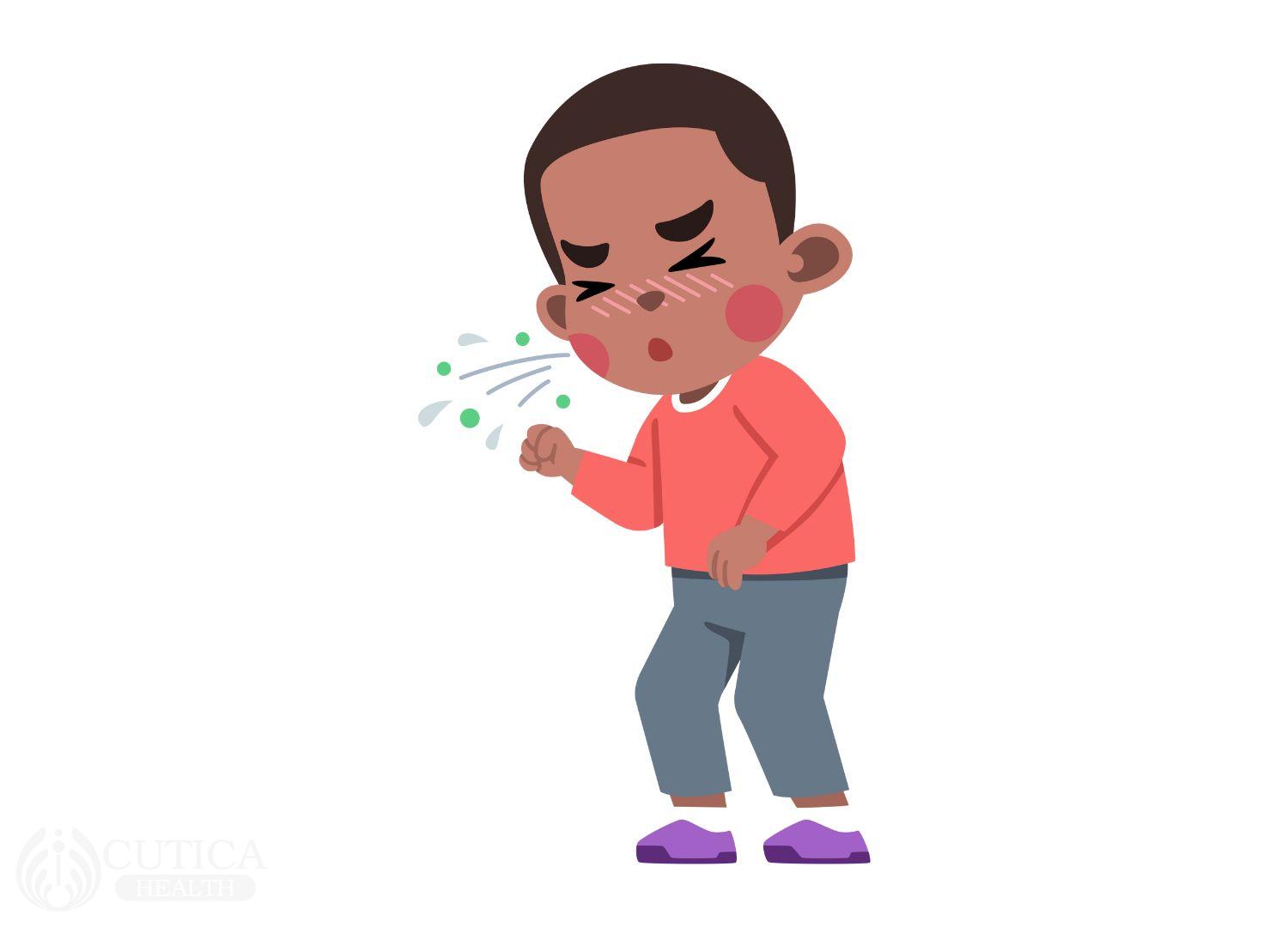
A person with monkeypox can spread the virus to others from the time they begin to experience symptoms until all the rashes scab and heal completely.
How is monkeypox treated?
Although many cases of monkeypox resolve on their own, severe cases of monkeypox may require treatment with anti-viral medicines.
According to the Centers for Disease Control and Prevention, the following groups should be considered for anti-viral treatment:
How to prevent monkeypox
Preventing monkeypox infection just requires simple hygiene practices, including:
Polio is a debilitating disease caused by the poliovirus, which attacks the brain and nerves; it causes mild or no symptoms in most people, but in others, it may cause paralysis or death. Children under 5 are the most vulnerable groups to contract this disease.

There are three types of poliovirus: wild poliovirus type 1, 2, and 3. While wild polio virus types 2 and 3 have been eradicated, wild polio type 1 still exists in a few countries, causing serious, debilitating effects. Afghanistan and Pakistan are the two countries where the spread of polio has not been halted.
What are the symptoms of polio?
Nearly 99 percent of people who contract polio do not show any symptoms. Based on the symptoms people present with, polio can be divided into two types
Non-paralytic polio: Essentially, this type of polio, also called abortive polio, does not present with paralysis. Common symptoms of non-paralytic polio include:
Post-polio syndrome: In some cases of polio, the virus re-attacks a person many years after the first infection. Common symptoms of post-polio syndrome include:
How does polio infect a person?
Polio is caused by a highly contagious virus, which is spread through contact with infected faeces. Objects that have been contaminated with infected faeces can also spread the virus in addition to being transmissible via respiratory droplets through a cough or a sneeze.
People at risk of contracting polio include:
How is polio treated?
Polio currently has no cure, but doctors can manage the symptoms with several medications, which include painkillers, antibiotics, and muscle relaxant medicines. Other treatment options include:
How to prevent polio
Vaccination is the best way to prevent polio. Polio vaccines are administered to children with schedules depending on your local vaccination program. Available polio vaccines prevent all three types of the poliovirus, lowering the risk of contracting the disease.

If you have received the complete doses of the polio vaccine as a child, you are still immune, but you may require booster shots if you are traveling to a country where polio is still endemic or you will be in contact with someone who has polio.
If you did not receive the vaccines completely as a child, your doctor can also administer the vaccine. This time, you’ll get two shots about 4 to 8 weeks apart, and the third shot 6 months to a year later.